
Guide for UK Industrial Sites and How to Choose the Right System
Overhead sectional doors are one of those pieces of infrastructure you only notice when they go wrong. When they work properly, they keep your site secure, support smooth traffic flow, reduce heat loss, and help your team get vehicles and goods in and out without delays. When they fail, they create downtime, safety risk, and a very expensive bottleneck.
If you are researching overhead sectional doors, you are probably in one of three situations. You are specifying doors for a new build or refurbishment, replacing doors that have become unreliable, or trying to improve energy efficiency and workflow at a warehouse, workshop, depot, or loading bay.
This guide explains overhead sectional doors in plain English. It covers how they work, where they fit best, which specifications matter, how automation and safety features should be considered, and why planned maintenance is part of the buying decision, not an afterthought. It also explains how Tridoor supports businesses across Barnsley and Yorkshire with supply, installation, servicing, and repairs.
What overhead sectional doors are and why they are used on industrial sites
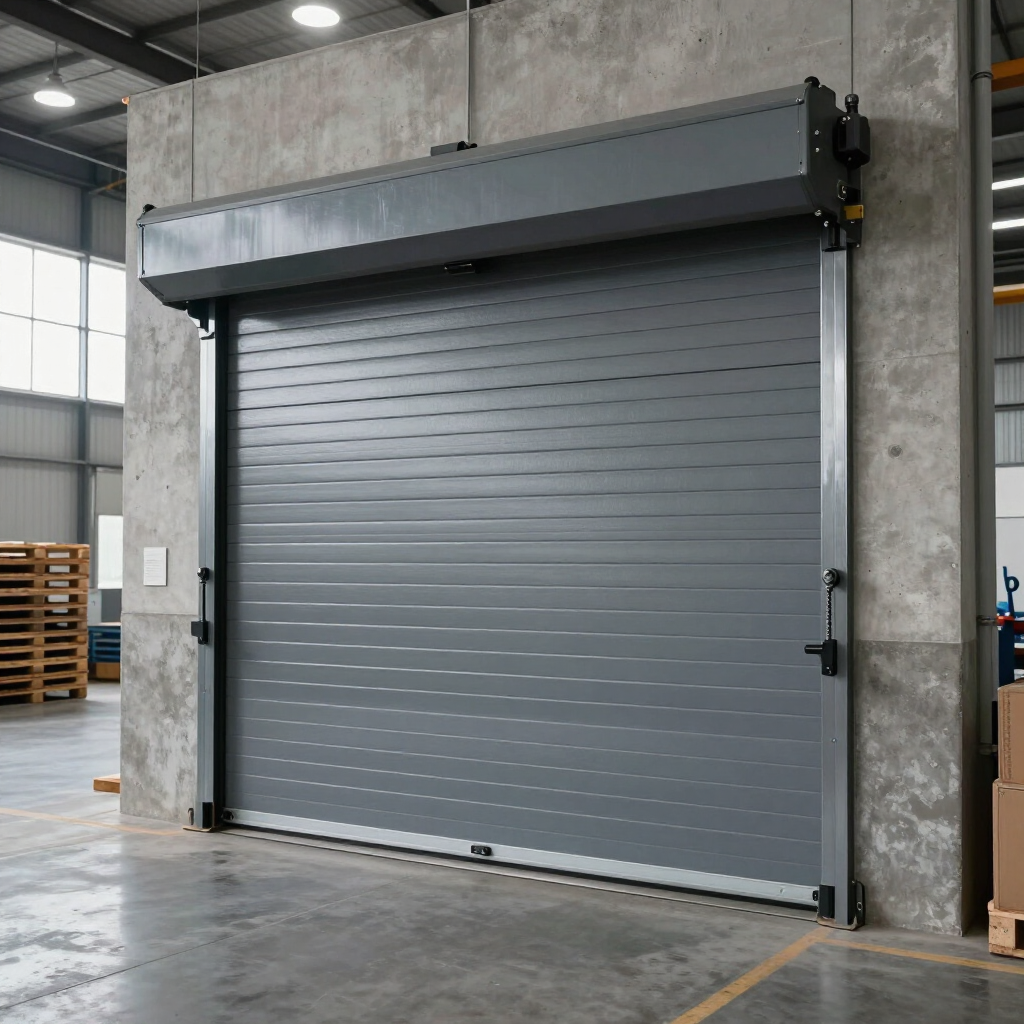
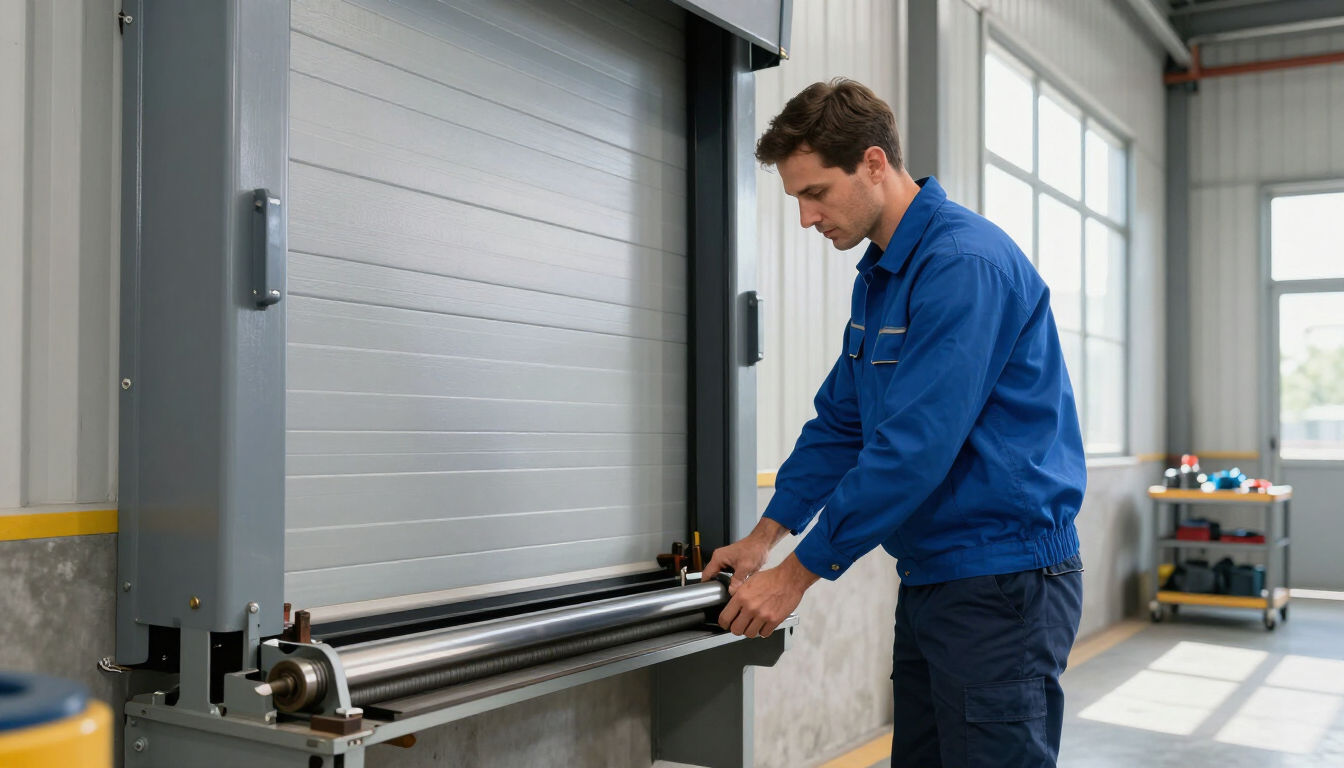
Overhead sectional doors are made of horizontal panels that move on tracks and lift up into the roof space when opened. Instead of swinging outwards or rolling into a tight coil, the panels travel up and back, sitting overhead inside the building.
Sectional doors explained in plain English
Think of the door as a set of insulated panels joined together. When the door opens, those panels bend at the joints and follow the track shape. When the door closes, they return to a flat, rigid barrier across the opening.
This design is popular because it gives a strong seal, supports insulation, and offers a clean, robust solution for frequent daily use.
How they open and why they save space
Because the door lifts vertically and then sits overhead, it does not require space outside the building. That matters at loading bays where space is tight, or where vehicles need to park close to the opening. It also matters inside, because the track and door position can be planned around racking, equipment, and circulation routes.
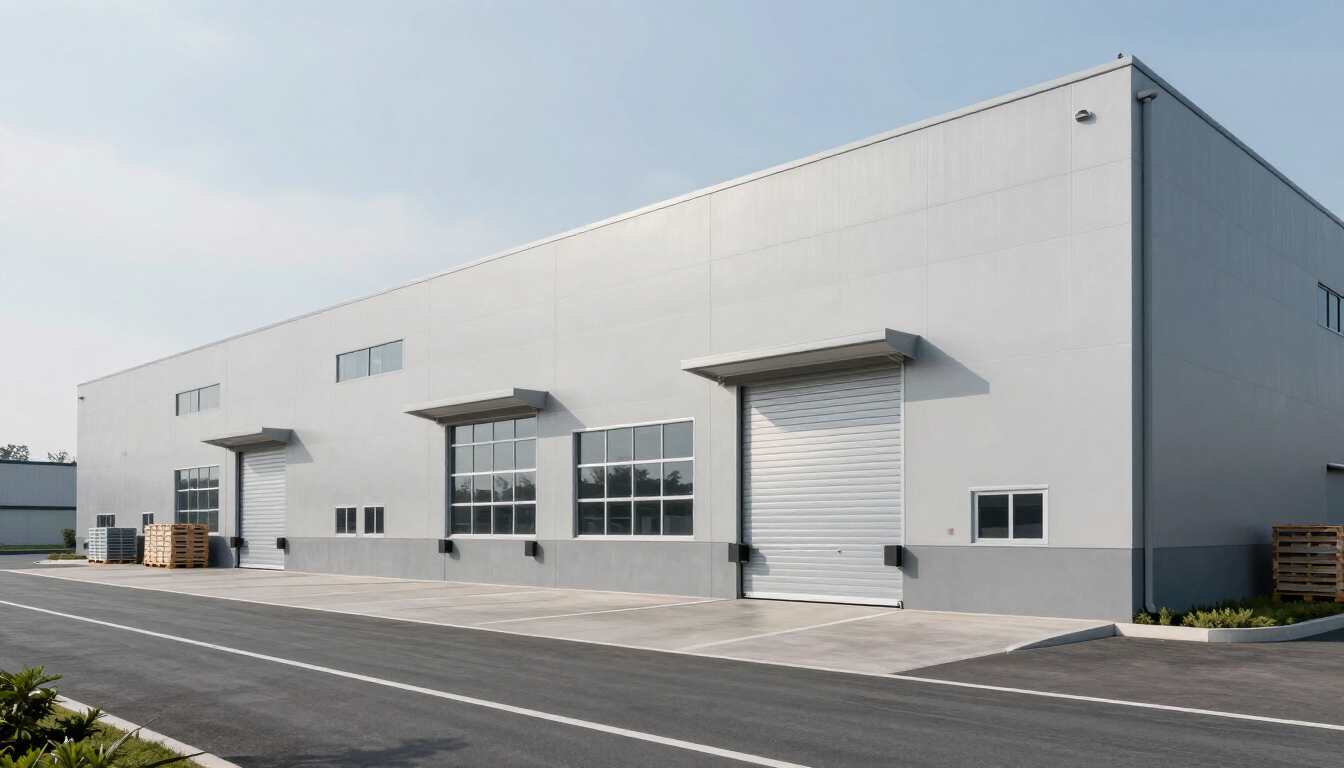
Where they are most commonly used
Overhead sectional doors are commonly used in:
- Warehouses and distribution units
- Factories and manufacturing facilities
- Workshops and service centres
- Depots and fleet facilities
- Loading bays and goods in areas
- Commercial units where security and insulation matter
They are a practical choice when you want a reliable door that supports both performance and everyday site logistics.
Overhead sectional doors vs roller shutters: choosing the right door type
Many buyers compare sectional doors with industrial roller shutters. Both can work well, but they solve slightly different problems.
Key differences in operation and headroom
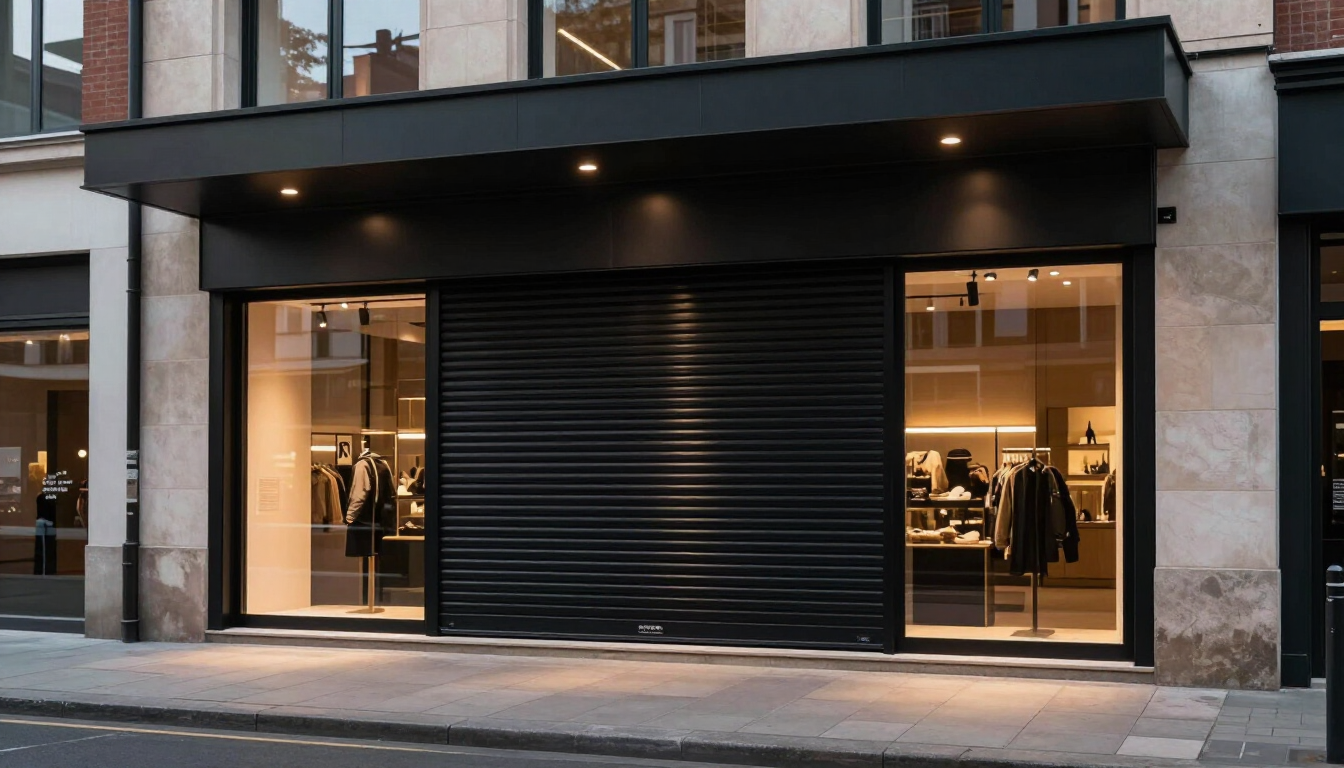
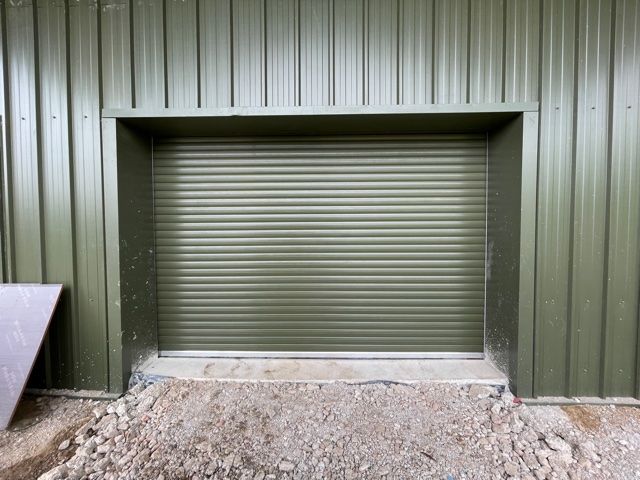
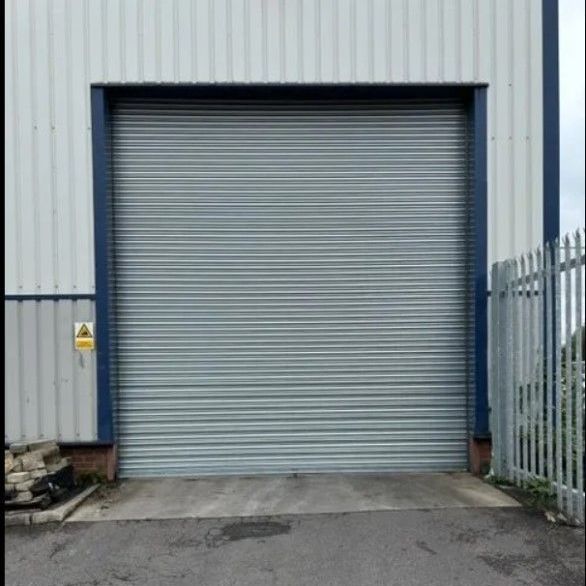
Roller shutters typically roll into a coil above the opening. That can be helpful where there is limited internal roof space, or where the opening needs to remain clear.
Sectional doors run on tracks and sit overhead inside the building. They often need more internal headroom to accommodate the track system, but they can also be designed with different track configurations to suit space constraints.
A proper site survey is the best way to confirm what your building can accommodate, because headroom and side room can vary significantly between units.
Security and durability comparisons
Both door types can be secure when specified correctly. Roller shutters are often chosen for robust security, especially on external openings. Sectional doors also provide strong security and can be specified with heavy-duty hardware, reinforced panels, and secure locking mechanisms.
The decision often comes down to how the door will be used. If you need frequent opening and closing with a focus on insulation and controlled operation, sectional doors can be an excellent fit. If you need a simple, rugged solution primarily focused on security and space efficiency, a roller shutter may suit you better.
Insulation and heat loss considerations
Insulation is one of the main reasons businesses choose sectional doors. Many sectional doors are designed with insulated panels, perimeter seals, and tighter closure than many shutter systems. This can help reduce heat loss and draughts, particularly in heated warehouses, workshops, and manufacturing areas.
Roller shutters can be insulated, too, but the overall seal and panel construction often makes sectional doors the stronger option for reducing heat loss across a large opening.
When a roller shutter is a better fit and when a sectional door wins
A roller shutter may be a better fit if:
- You have very limited internal headroom
- You need a compact opening mechanism above the door
- You have a high priority on simple, rugged security for external openings
- A sectional door often wins if:
- You want better insulation and sealing
- You need a smoother, controlled operation for frequent use
- You want strong performance on heat retention and draught reduction
- You want design flexibility, including vision panels and access options
Tridoor supplies and installs both types, which is useful because it means the recommendation can be based on the site and usage, rather than forcing one product onto every opening.
The key specifications that matter when buying overhead sectional doors
A door that looks right on paper can perform poorly on site if the specification does not match real conditions. The goal is to specify for how the door will actually be used, not for the ideal scenario.
Opening size, headroom, and side room requirements
Start with the basics. The clear opening size, internal headroom, and available side room determine what is possible.
A site survey should confirm:
The exact dimensions of the opening
Internal obstructions like beams, services, lighting, or ducting
The wall condition and fixing points
Floor level and any ramp or threshold needs
This is the foundation of a reliable installation, especially in older buildings where openings are rarely perfectly square.
Insulation and panel construction: what to look for
If energy efficiency matters, panel construction and sealing are key.
Look for insulated panels with strong sealing around the perimeter. Consider how the door will behave in your specific environment. A heated workshop with frequent openings may benefit from stronger insulation and tighter sealing than a storage unit that is rarely heated.
Insulated sectional doors can help reduce heat loss and improve comfort, but they should be paired with sensible operational habits, such as not leaving doors open unnecessarily during cold periods.
Wind load and exposure considerations
External doors face wind pressure. If your site is exposed or the door opening faces prevailing winds, wind load matters. A door that flexes under wind pressure can wear faster and may be more prone to operational issues.
A good supplier will consider exposure and recommend a door specification that suits the environment. This is particularly relevant for larger openings and sites with open yard space.
Cycle frequency and usage patterns
Cycle frequency means how often the door opens and closes.
A low-use door might open a few times per day. A high-traffic door at a goods-in area could cycle dozens or hundreds of times per day. Hardware, springs, motor duty rating, and safety features should match the cycle demand.
Specifying the cycle frequency protects reliability. It reduces breakdown risk and helps avoid the situation where a door is technically suitable but practically under-engineered for the workload.
Glazing, vision panels, and pedestrian access options
Vision panels can improve safety by reducing the risk of collisions at busy doorways. They can also bring daylight into work areas.
Some sites also benefit from a pedestrian access door integrated into the sectional door, or a separate pedestrian door nearby, depending on traffic flow. The best option depends on how people and vehicles move around the opening.
Automation and controls for sectional overhead doors
Automation is not just about convenience. In many facilities, it is about safety, speed, access control, and reducing human error.
Manual vs electric operation
Manual operation can work for smaller doors or low-use openings, especially where budgets are tight and traffic is limited.
Electric operation is often the better choice for industrial sites because it improves control, reduces manual effort, and supports safety features. It also reduces the temptation for unsafe shortcuts, such as forcing a door that is stiff or misaligned.
Control options and access integration
Common control options include internal push buttons, remote controls, and key switches. Many sites also integrate doors with access systems so only authorised users can operate the door.
If you have a loading bay where drivers and staff move in and out frequently, access control can be part of both security and safety planning.
Safety features: sensors, edges, and controlled behaviour
Industrial doors should be specified with safety in mind. Typical safety features include sensors that detect obstructions, protective edges, and controlled stop and reverse behaviour.
These features protect people, vehicles, and equipment. They also reduce damage costs and improve confidence for staff working near the door.
Speed expectations and when a high-speed door is more suitable
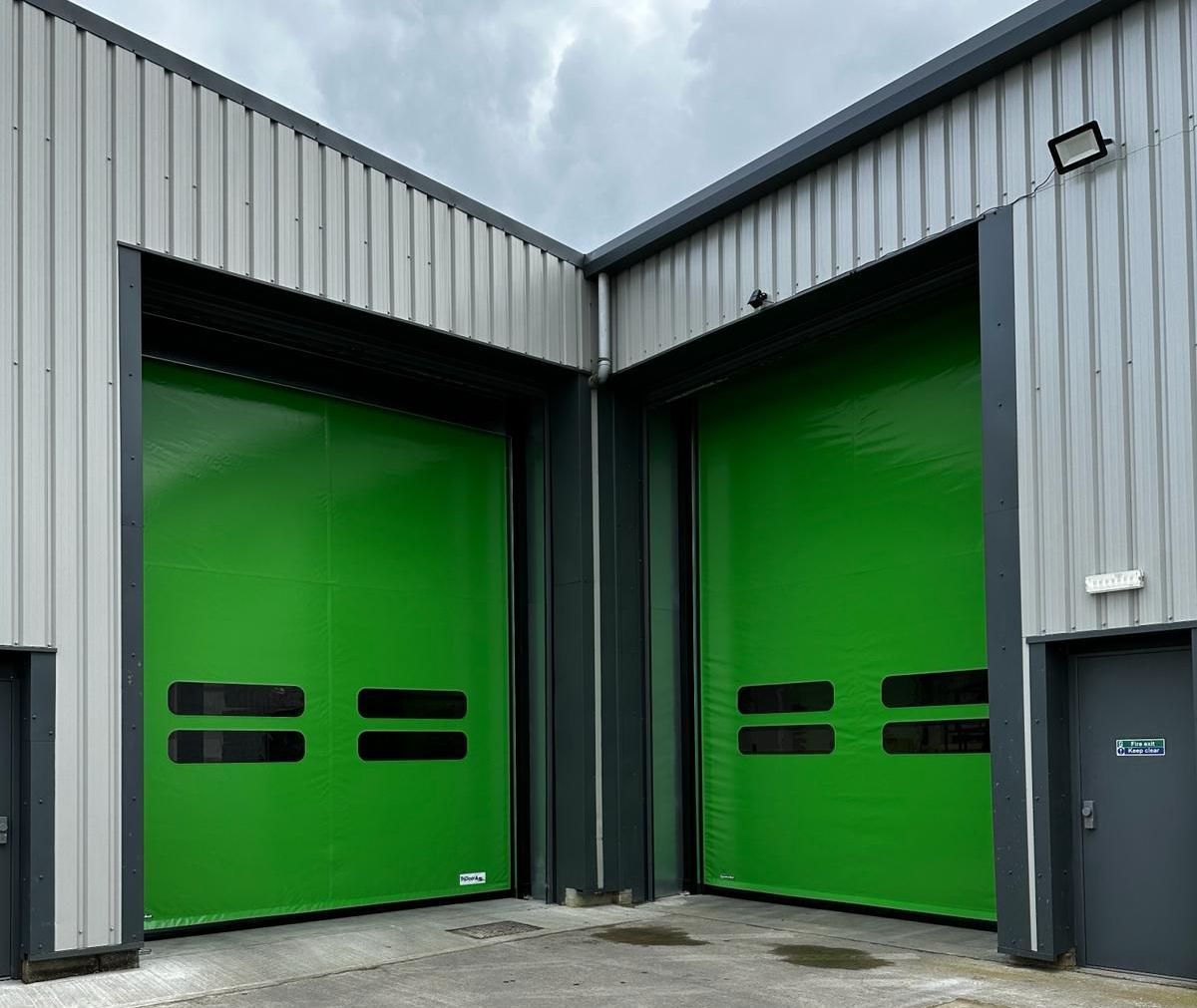
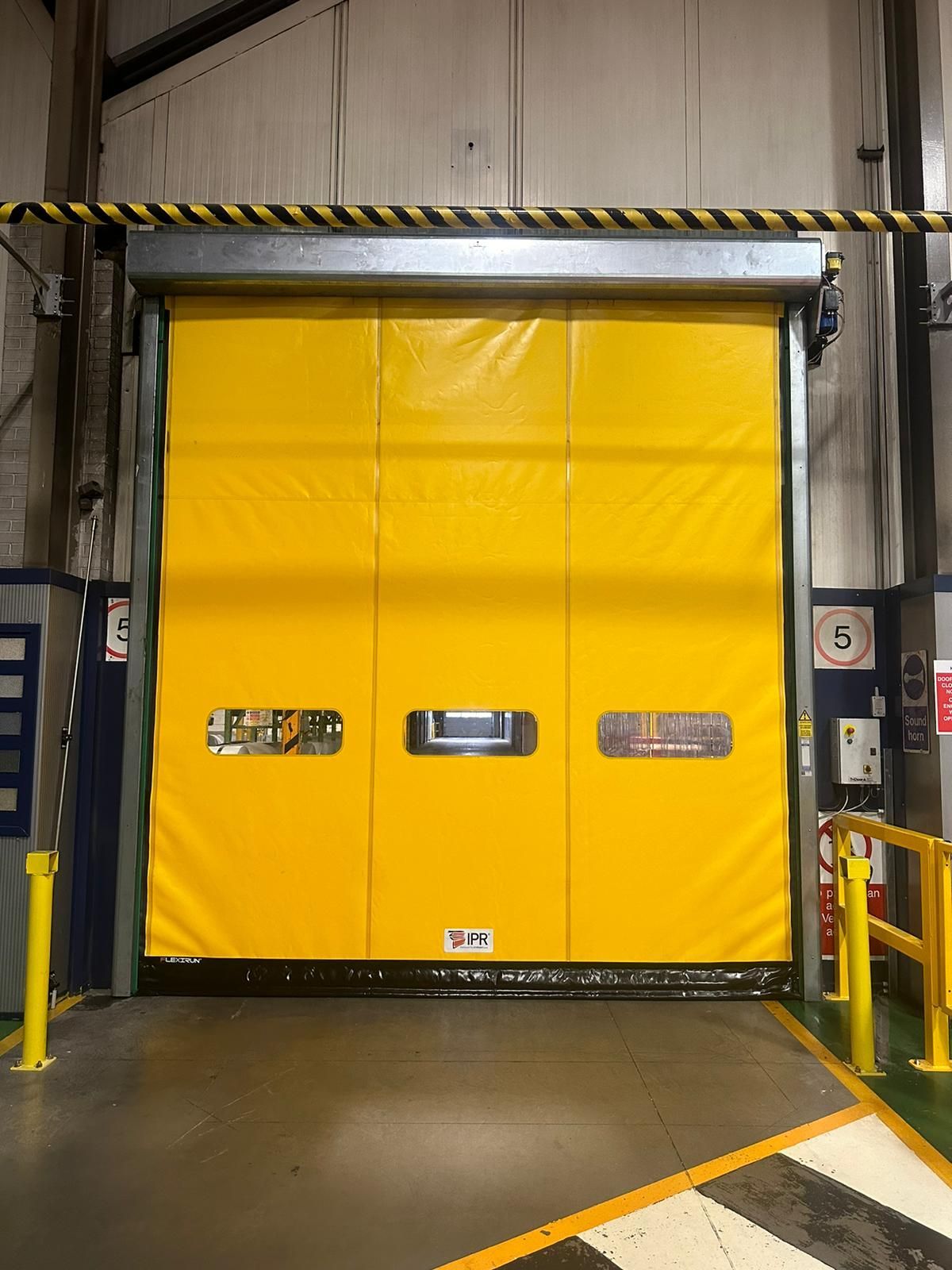
Sectional doors are not always the fastest option. If you have a very high traffic opening where speed is critical for temperature control or workflow, a high-speed door may be a better fit.
Tridoor supplies high-speed doors alongside sectional doors, which allows a proper comparison. In many sites, the right solution is mixed. Sectional doors for some openings, high-speed doors for others, based on traffic and environmental control needs.
Safety, compliance, and operational good practice
Industrial doors sit in a safety-critical part of the workplace. They involve moving parts, heavy loads, and areas where people and vehicles mix.
Why door safety is a maintenance issue, not just an installation issue
A door can be installed correctly and still become unsafe if it is not maintained.
Springs wear. Tracks loosen. Motors drift out of tolerance. Safety sensors can become misaligned. Small issues can build into major failures if they are ignored.
That is why planned maintenance is part of responsible operation. It protects uptime, but it also protects people.
Loading bay risk areas and safer workflow
Loading bays are high-risk environments because vehicles, pedestrians, and goods handling equipment all converge. Door choice and door behaviour influence workflow.
A door that opens reliably and closes properly reduces bottlenecks and discourages unsafe behaviour. Vision panels can help. Clear control points help. Proper sealing helps keep areas dry and reduces slip risk in poor weather.
What to ask for in documentation and handover
At handover, you should know:
- How the door is operated safely
- What daily checks are recommended
- What the safety features do and how they behave
- What maintenance schedule is recommended
- Who to contact if the door behaves unusually
A professional installer should provide clear guidance, and a good servicing partner should reinforce it over time.
How planned maintenance reduces risk and unexpected downtime
Planned maintenance allows faults to be identified early. It also creates a predictable service window rather than a reactive emergency callout at the worst possible time.
For many businesses, the cost difference between planned servicing and repeated emergency repairs is significant over the life of the door.
Tridoor’s maintenance and repairs service is a key commercial differentiator here, because it supports businesses beyond installation and into long-term performance.
Installation process: what to expect from survey to handover
An overhead sectional door installation should feel like a controlled project, not a gamble.
Site survey essentials and what needs checking
A site survey typically checks dimensions, headroom, side room, fixing points, floor condition, and any obstructions. It also confirms how the door will be used, including traffic patterns and security needs.
If you want to make the survey and quoting process faster, prepare a few essentials:
- The door opening dimensions, if known
- Photos of the opening inside and outside
- Any known constraints, such as limited headroom or services
- Whether the door is internal or external
- Approximate cycle frequency and usage pattern
Lead times, access, and installation planning on live sites
Industrial sites are rarely quiet. Installation planning should consider site access, safe working areas, and how to minimise disruption.
A good installer will coordinate timings, identify any access equipment needed, and plan installation so the site can keep operating as safely as possible.
Commissioning, testing, and user handover
Commissioning is where the door is tested under real conditions. The motor is set correctly, safety devices are checked, and the door behaviour is verified.
Handover should include user instructions. Your staff should know how to operate the door safely and what to do if they notice unusual behaviour.
Snagging, aftercare, and early adjustments
New installations can need small adjustments as components settle. That should be normal, not a surprise.
The important thing is having clear aftercare support so any early issues are addressed quickly and correctly.
Maintenance and repairs: keeping overhead sectional doors reliable
Most door failures start small. A slight drag. A slow close. A change in sound. A control that feels inconsistent. The earlier those signs are addressed, the less disruption you face.
Common failure points and early warning signs
Common issues include worn rollers, misaligned tracks, damaged seals, spring wear, motor strain, and sensor problems.
Warning signs include:
- The door feels heavier or slower than usual
- The door stops unexpectedly
- The door does not seal properly
- Grinding, squealing, or banging noises
- Visible damage to panels, tracks, or hardware
If you notice these, do not wait for the door to fail. Early repair is usually easier and cheaper.
Why preventative maintenance is cost-effective
Preventative maintenance reduces emergency breakdowns, extends component life, and supports safer operation. It also reduces the hidden costs of downtime, such as delayed deliveries, lost productivity, and compromised security.
For facilities with multiple doors, maintenance planning can also create consistency, making budgeting and scheduling easier.
What a maintenance visit typically includes
A typical service visit checks mechanical wear, alignment, fixings, safety systems, motor performance, and sealing. It also identifies parts that are approaching the end of life before they fail.
The aim is reliability. Not just a tick box.
Emergency repairs and minimising downtime
When a door fails, the priority is often to secure the site and restore operation quickly.
A responsive repair partner matters. Tridoor provides maintenance and repair support, which is particularly valuable for businesses where an inoperative door becomes an immediate operational and security problem.
Energy efficiency and running cost impact
Energy costs are a constant pressure for industrial sites. Large openings are one of the easiest places to lose heat and money.
How can insulated sectional doors reduce heat loss?
Insulated sectional doors can help reduce heat loss because they provide a more robust barrier than many alternatives, especially when paired with proper sealing.
If your building is heated, reducing heat loss at door openings can improve comfort and reduce energy waste, particularly in winter.
Managing draughts and sealing details
Seals matter. Poor sealing allows draughts, moisture ingress, and heat loss. Over time, seals also wear, which is another reason planned servicing is valuable.
A properly specified door with good sealing and regular checks often performs better for longer.
Practical ways to reduce energy waste around loading areas
Energy efficiency is not only about the door product. It is also about workflow.
Reducing door open time, setting clear operational habits, and considering faster door options for high traffic openings can all contribute to lower energy waste. In some sites, a combination of sectional doors and high-speed doors is the most effective way to balance insulation and throughput.
Tridoor’s energy-saving products focus aligns well here, because it connects door specification to operational savings rather than treating the door as a one-off purchase.
Why choose Tridoor for overhead sectional doors in Barnsley and Yorkshire
Buying overhead sectional doors is not just about choosing a door. It is about choosing a partner who can install correctly, support you after handover, and keep the doors reliable year after year.
Full service support: supply, install, maintain, repair
Tridoor supports customers across the full lifecycle. That matters because industrial doors are assets, not accessories. They need servicing, repairs, and sometimes upgrades such as automation or safety improvements.
When one supplier can support the door from installation through to planned maintenance, accountability becomes clearer, and downtime risk reduces.
Local response and planned maintenance options
With a Barnsley base and Yorkshire focus, Tridoor is positioned to support local businesses with surveys, installation, servicing, and repairs.
For many facilities, local support is not a preference. It is risk control. When a door failure shuts down a bay, you need a partner that can respond promptly and understand industrial site realities.
Experience across industrial door types
Many sites use a mix of door types. Sectional doors on one opening, roller shutters on another, high-speed doors internally, and fire-rated solutions where required.
Tridoor works across this range. That helps ensure the recommendation fits the site, rather than forcing a single door type into every opening.
How to get a quote and what Tridoor needs
The fastest way to get an accurate quote is to request a site survey. A survey ensures the door is specified correctly for dimensions, headroom, exposure, cycle frequency, and operational needs.
If you want to speed up the process, have your opening sizes, usage patterns, and any constraints ready. Tridoor can then propose a solution that fits your site, not a generic estimate.
FAQ
Are overhead sectional doors suitable for loading bays?
Yes, overhead sectional doors are commonly used for loading bays because they open vertically, save space, and can provide strong insulation and sealing. The right specification depends on traffic levels, opening size, exposure, and safety requirements.
How long do sectional overhead doors last?
Lifespan depends on build quality, cycle frequency, environment, and maintenance. A door in light use with planned servicing can last much longer than a door used heavily without maintenance. Planned maintenance is often the factor that makes the biggest difference.
Do insulated sectional doors make a noticeable difference?
They often do, especially in heated buildings. Insulated panels and good seals can reduce draughts and heat loss, improving comfort and reducing energy waste. The difference is most noticeable in winter and in buildings with frequent door use.
How often should sectional overhead doors be serviced?
Service frequency depends on usage and site conditions. High-traffic doors and critical openings usually need more frequent servicing than low-use doors. A maintenance plan should be based on cycle frequency and risk, not a one-size approach.
Can sectional overhead doors be automated later?
In many cases, yes. Retrofitting automation depends on door condition, hardware compatibility, and safety requirements. If you are considering automation, it is best to discuss it during a survey so the door can be specified with future upgrades in mind.
What areas do Tridoor cover around Barnsley and Yorkshire?
Tridoor is based in Barnsley and serves customers across Yorkshire and surrounding commercial areas. If your site is outside Barnsley, a quick enquiry can confirm coverage and response options.
Choose overhead sectional doors that support uptime, safety, and running costs
Overhead sectional doors are a smart choice for many UK industrial sites because they offer space-saving operation, strong insulation options, and reliable performance when specified correctly. The best results come from matching the door to real usage: the opening size, headroom, exposure, cycle frequency, security needs, and energy priorities.
If you want a door that works today and stays reliable over time, the next step is a proper site survey and a specification that includes maintenance planning, not just installation.
Tridoor supplies, installs, services, and repairs overhead sectional doors across Barnsley and Yorkshire. If you are planning a new installation, replacing an unreliable door, or improving efficiency at a loading bay or warehouse opening, contact Tridoor to book a survey and request a quote built around your site and your operational needs.