
A secure shopfront should feel welcoming by day and reassuring by night. For retailers, bars, restaurants, and hospitality venues, the right roller shutter specification protects staff, stock, and glazing while preserving your brand image and creating an inviting presence on the high street. The right system can also improve privacy, reduce noise, and allow ventilation after closing.
This guide compares solid, perforated, tube-and-link, and polycarbonate security roller shutters to help you balance security, visibility, daylight, and kerb appeal. We'll also cover finishes, planning considerations, operational noise, and how Tridoor manufactures bespoke shutters designed to complement your premises rather than detract from them.
Choosing the Right Shutter for Visibility and Daylight
The best option depends on how your business operates after hours. Some premises benefit from showcasing displays overnight, while others prioritise complete privacy and security.
Solid Roller Shutters
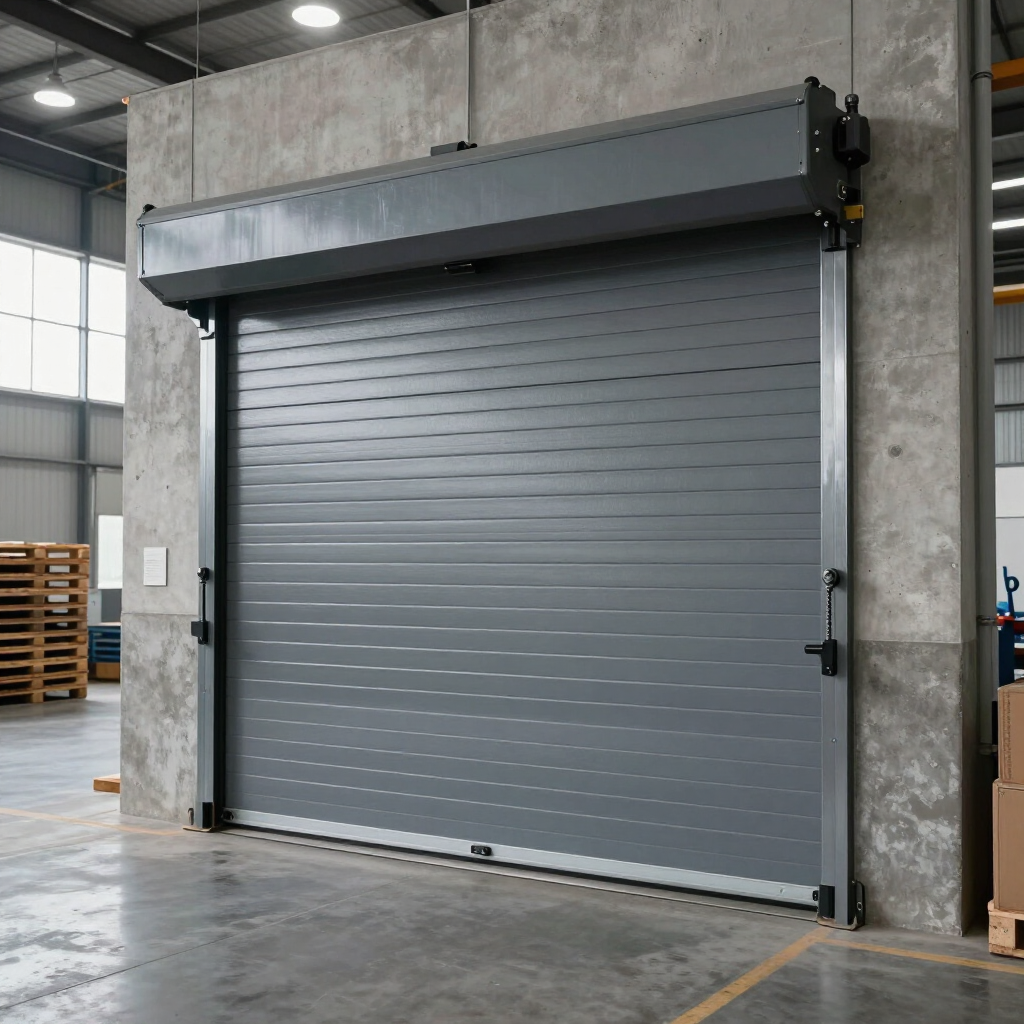
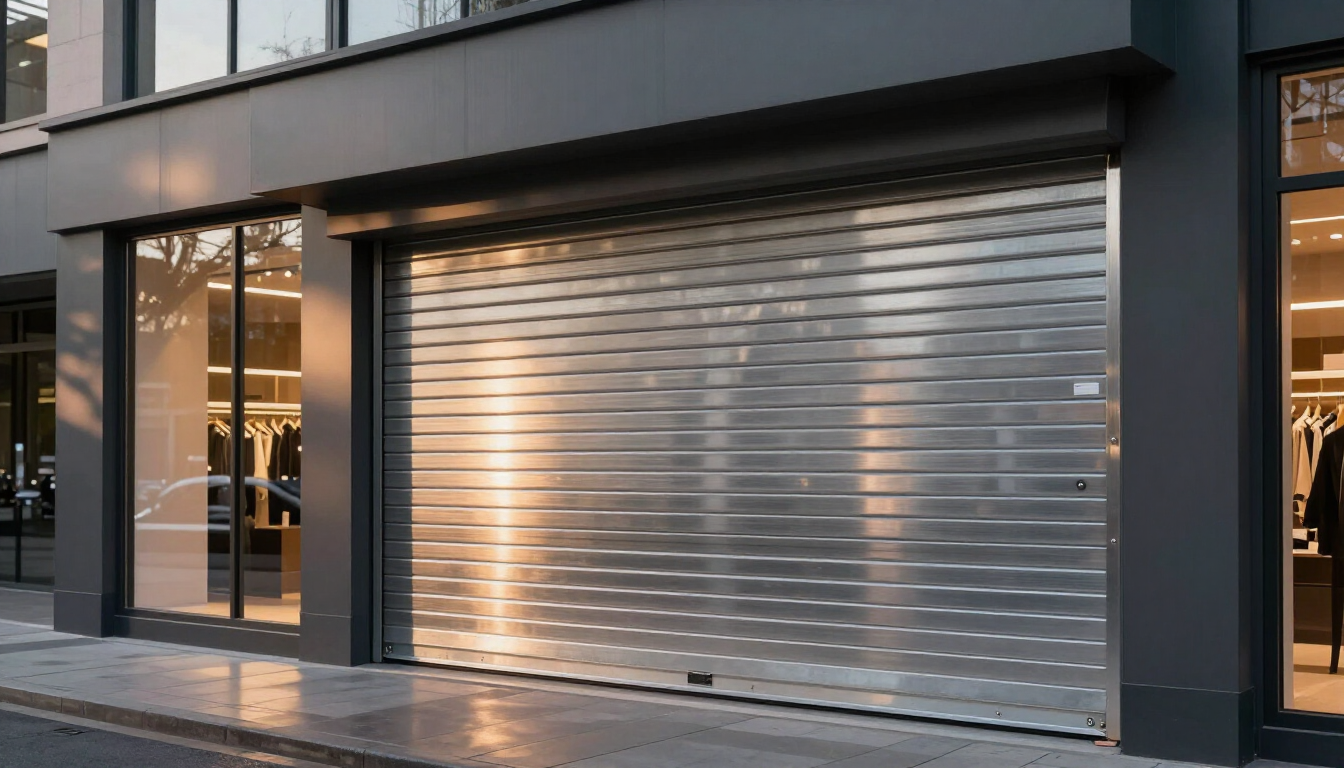
Solid steel or aluminium laths provide the highest level of privacy and physical protection. They create a continuous barrier that conceals stock, deters opportunistic crime, and blocks external visibility.
Benefits include:
- Maximum security and privacy
- Excellent protection for high-value merchandise
- Reduced light penetration
- Optional insulated laths that can assist with thermal performance and noise reduction
During trading hours the curtain rolls away completely, allowing your shopfront to maintain its full visual appeal.
Perforated Roller Shutters
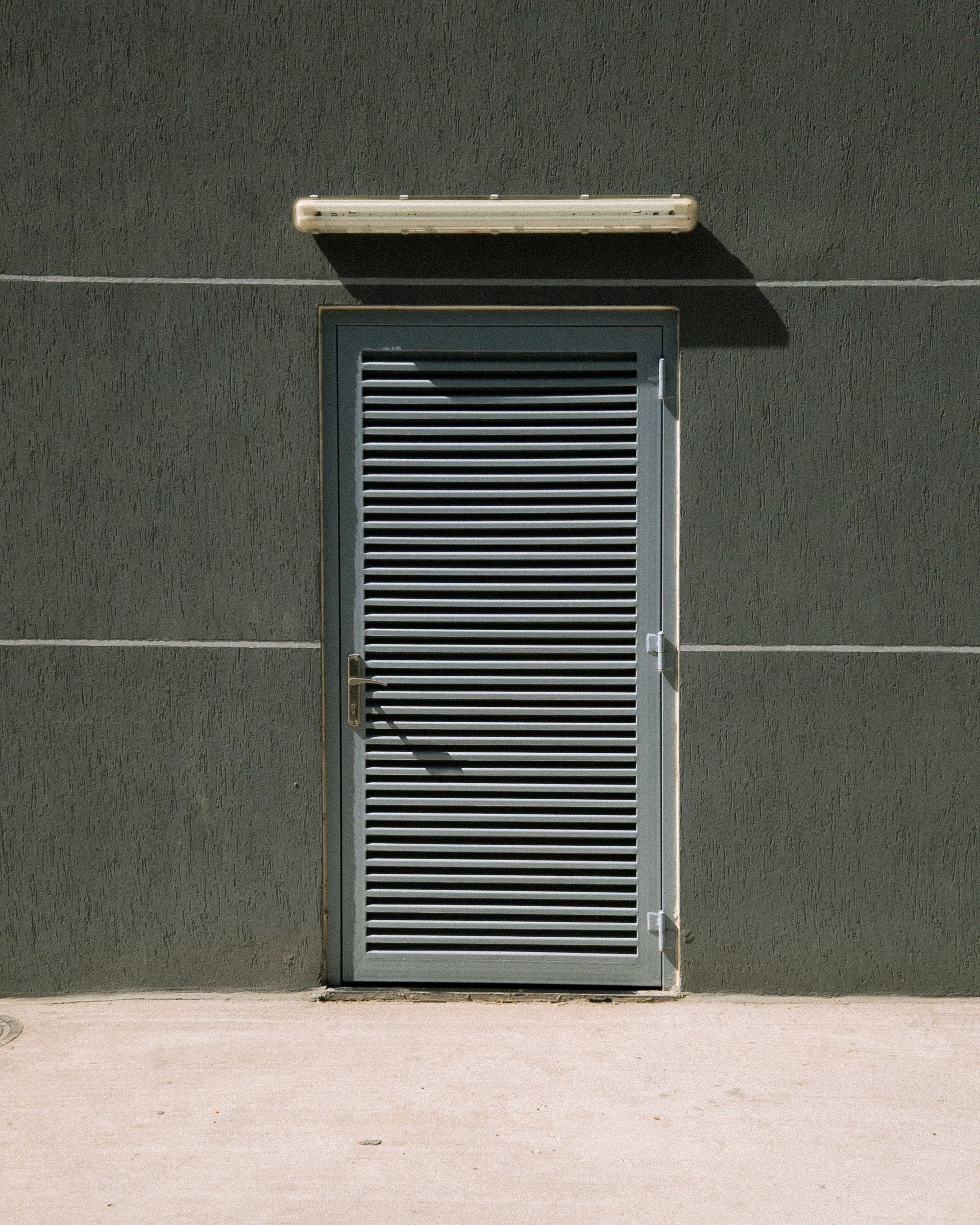
Perforated shutters combine strong security with partial visibility by incorporating evenly spaced openings throughout the curtain.
They are ideal for:
- Retailers wishing to showcase window displays after hours
- High streets that encourage active frontages
- Businesses wanting natural surveillance while remaining secure
The size and density of perforations can be specified to achieve the desired balance between visibility and protection.
Tube-and-Link and Polycarbonate Shutters
Tube-and-link shutters consist of horizontal steel tubes connected by linking rods, often combined with transparent polycarbonate inserts.
These systems provide:
- Excellent visibility into the premises
- Strong airflow and ventilation
- Modern aesthetics suited to hospitality venues
- Protection while allowing displays to remain visible
Restaurants, bars, cafés, and leisure venues often favour these solutions because they preserve an open appearance while maintaining security.
As a general guide:
- Choose solid shutters for maximum privacy and protection.
- Choose perforated shutters when after-hours visibility is desirable.
- Choose tube-and-link or polycarbonate systems when transparency and ventilation are priorities.
Finishes That Complement Your Brand
Security products should enhance your frontage rather than dominate it.
Powder-Coated Finishes
Available in virtually any RAL colour, powder coating allows shutters to blend seamlessly with branding, signage, window frames, and architectural features. Satin and matt finishes often provide a refined appearance with reduced glare.
Anodised Aluminium
Anodised finishes offer excellent durability with a premium aesthetic. Silver, bronze, and darker metallic finishes are particularly popular for contemporary retail and hospitality environments.
Plastisol-Coated Steel
Plastisol provides a durable, economical finish suitable for demanding commercial environments while remaining easy to clean and maintain.
At Tridoor, laths, guides, and shutter housings can all be colour matched to create a cohesive appearance across the entire installation.
Noise Control and Ventilation
A well-specified shutter contributes to both comfort and neighbour relations.
Insulated roller shutters can help reduce external noise entering the premises while also limiting sound escaping during cleaning or restocking after hours.
Where airflow is important, perforated or tube-and-link systems allow ventilation without leaving the property unsecured, making them particularly suitable for hospitality settings.
Electric operation with soft-start and soft-stop functionality also reduces operating noise during early morning openings and late-night closures.
Planning Considerations for UK High Streets
Many local authorities encourage shopfront designs that avoid creating inactive or hostile streetscapes after business hours.
Common considerations include:
- Maintaining visibility into premises where appropriate
- Choosing grille or perforated designs for prominent frontages
- Using internal installations where feasible to minimise visual impact
- Selecting sympathetic colours and finishes in conservation areas
- Retaining lighting behind transparent shutters to support passive surveillance
If your premises are located within a conservation area or involve listed buildings, discussing proposals with planning officers early can simplify the approval process.
How Tridoor Combines Security with Design
Tridoor designs, manufactures, and installs bespoke commercial security shutters throughout South Yorkshire and beyond.
Available options include:
- Solid roller shutters
- Perforated roller shutters
- Tube-and-link systems
- Transparent polycarbonate shutters
- Powder-coated finishes in custom RAL colours
- Anodised aluminium finishes
- Manual or electric operation
- Remote controls and automation
- Insulated roller shutters
- Integrated safety systems and compliant controls
Every installation is tailored to the building, operational requirements, and desired appearance.
Commercial Sizes and Practical Considerations
Commercial shutters are manufactured to suit individual openings rather than standard dimensions.
Pedestrian entrances commonly provide clear openings around 900–1,000 mm wide and approximately 2,100 mm high, although accessibility requirements and building layouts vary.
Retail roller shutters frequently span widths between 2.4 m and 4.0 m, but substantially larger openings are routinely accommodated with bespoke engineering.
Early surveys assess:
- Available headroom
- Side room for guides
- Structural fixing points
- Electrical supply requirements
- Space for shutter barrels and housings
These factors determine the most appropriate specification for reliable long-term performance.
Practical Specification Tips
For the best results:
- Decide whether you want displays visible after hours or fully concealed.
- Match shutter colours to frames and signage for a cohesive appearance.
- Consider insulated laths where acoustic performance is important.
- Use perforated or transparent systems where ventilation is beneficial.
- Confirm planning expectations early, particularly on prominent high streets.
- Ensure sufficient headroom is available for the shutter barrel and housing.
Frequently Asked Questions
What is the difference between a commercial door and a residential door?
Commercial doors are engineered for higher usage levels and typically incorporate stronger materials, heavier-duty hardware, enhanced safety systems, and greater integration with access control and security equipment.
What size is a typical commercial door?
Many commercial pedestrian entrances provide openings around 900–1,000 mm wide and approximately 2,100 mm high, although dimensions vary according to building design and accessibility requirements.
What are standard sizes for roll-up doors?
Roller shutters are generally manufactured to order. Retail installations commonly range between approximately 2.4–4.0 metres wide and 2.4–4.5 metres high, while industrial applications may be considerably larger.
Secure Your Premises Without Compromising Appearance
A well-designed security shutter should protect your investment while enhancing your property's overall presentation. Whether you require maximum privacy, transparent visibility, or a balance between the two, Tridoor can recommend a bespoke solution tailored to your business, branding, and local planning environment.
Book a free design consultation with our team to discuss the most suitable shutter style, finish, and operation for your premises and create a secure shopfront that still makes the right first impression.