
Energy efficiency has become a major priority for industrial and commercial buildings across the UK. Rising energy costs, sustainability targets, and increasing pressure to reduce operational waste mean businesses are looking closely at every source of heat loss within their facilities.
Industrial door openings are often one of the biggest weak points.
Poorly insulated shutters and ageing loading bay doors allow warm air to escape, create draughts, and force HVAC systems to work harder throughout the day. Modern insulated industrial doors help solve this problem by improving thermal performance, reducing air leakage, and stabilising internal temperatures.
This guide explains how insulated roller shutters and sectional overhead doors improve energy efficiency, what affects real-world U-values, and how proper sealing, automation, and maintenance help maximise long-term performance.
At Tridoor, we manufacture and install bespoke industrial door systems designed around thermal efficiency, operational reliability, and long-term durability.
Why U-Values Matter for Industrial Doors
A U-value measures how easily heat passes through a material or building component.
Lower U-values mean better insulation and reduced heat transfer.
In industrial environments, thermal performance matters because large door openings can quickly become major energy loss points, especially in:
- Warehouses
- Distribution centres
- Workshops
- Manufacturing facilities
- Food production areas
- Temperature-controlled spaces
However, insulation alone is not enough.
Air leakage around door edges, thresholds, and guides also contributes heavily to heat loss. Even a highly insulated door can perform poorly if seals are inadequate or gaps develop over time.
The best industrial door systems combine:
- Insulated panels or curtains
- Effective perimeter sealing
- Reliable automation
- Fast closing cycles
- Proper installation and maintenance
Roller Shutters vs Sectional Doors for Insulation
Both insulated roller shutters and sectional overhead doors can improve thermal performance, but they work differently and suit different environments.
Insulated Roller Shutters
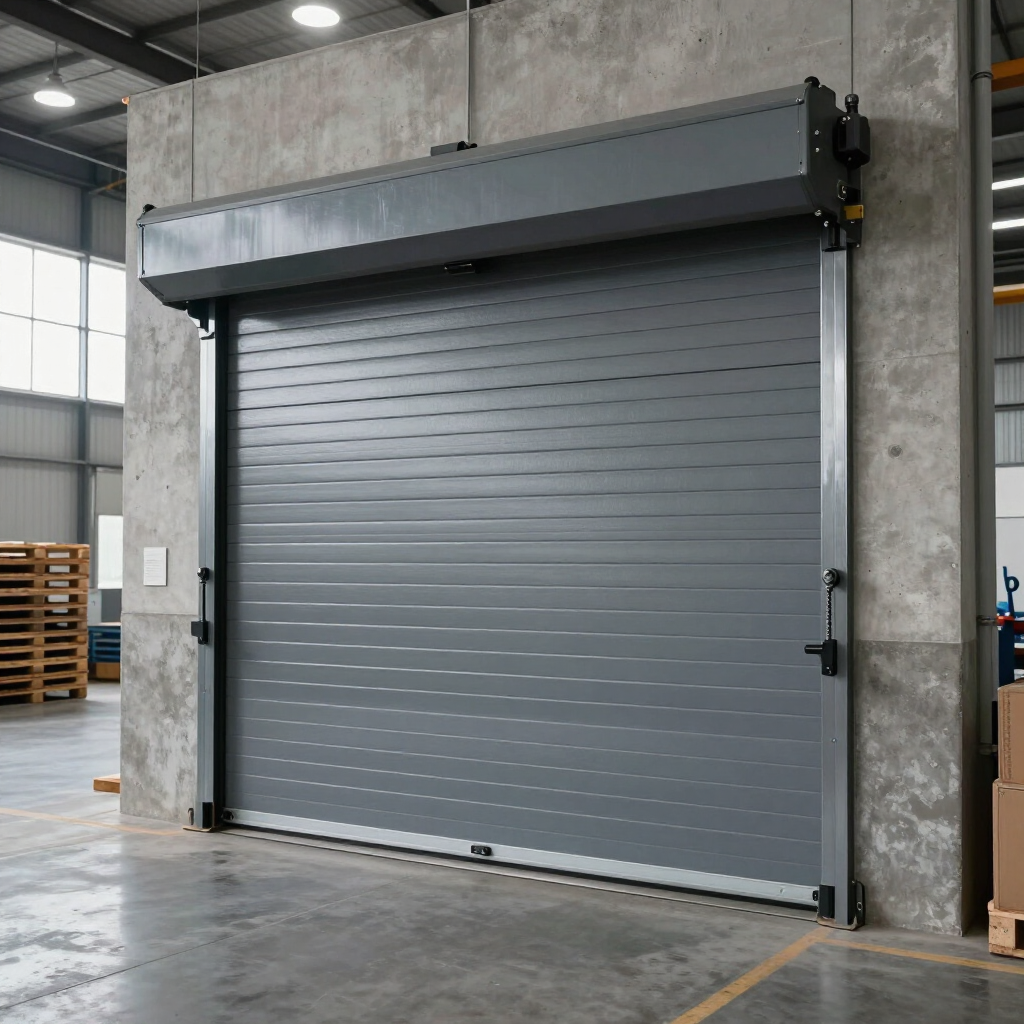
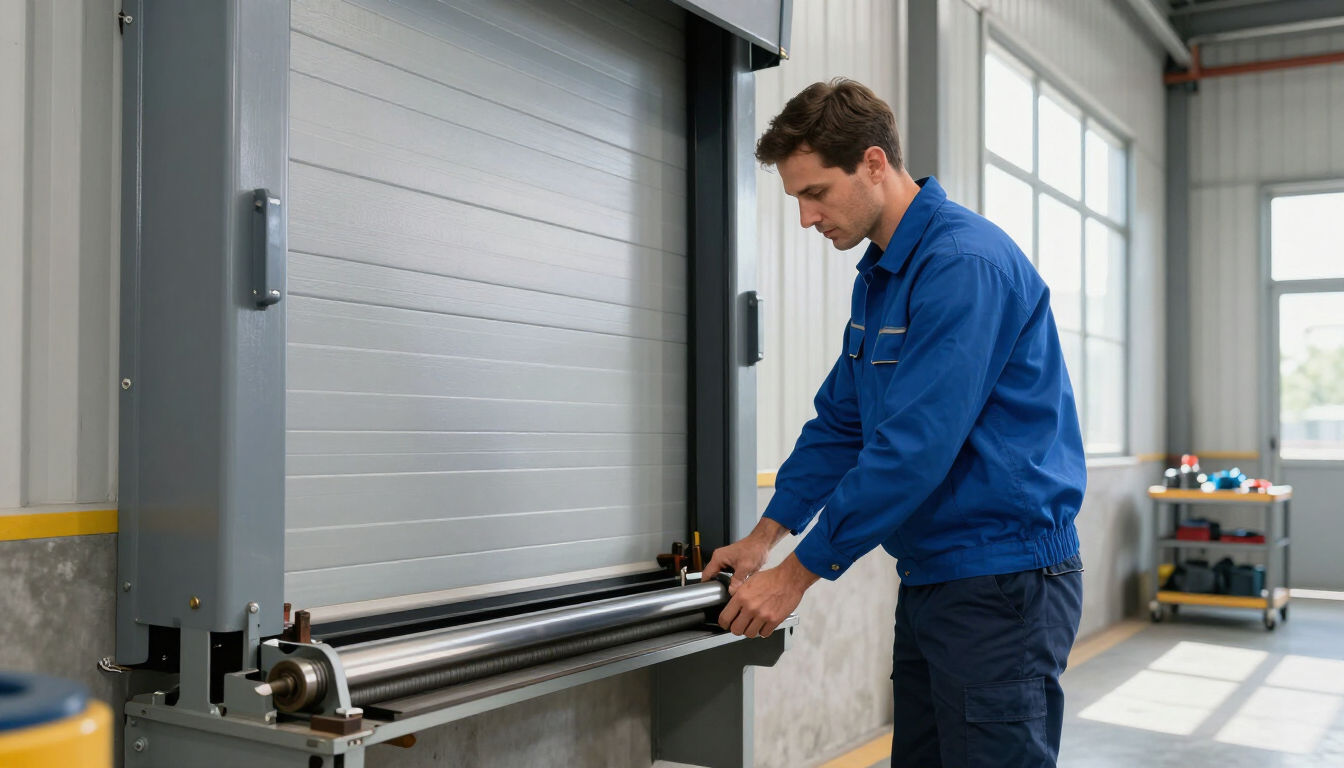
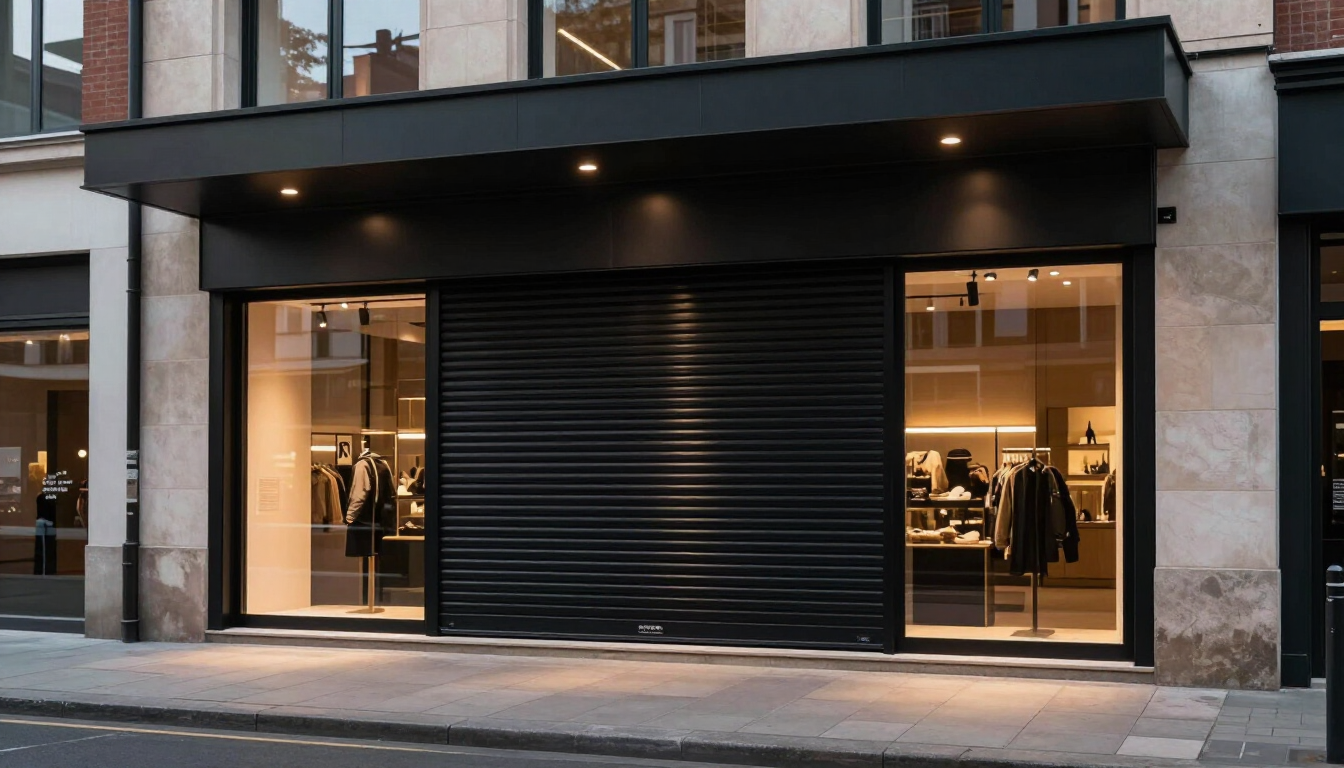
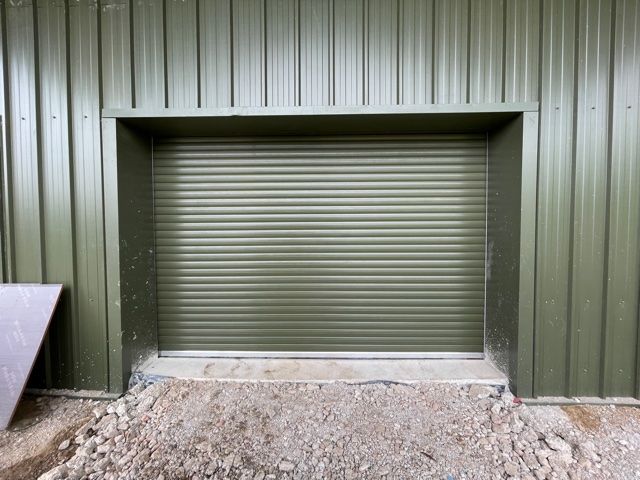
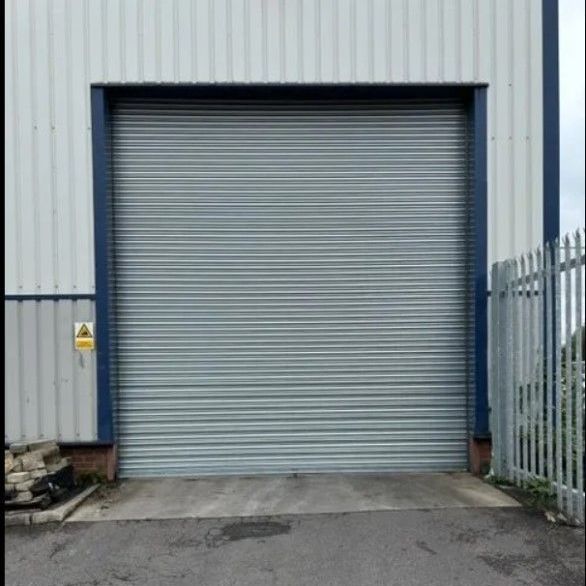
Insulated roller shutters use interlocking steel or aluminium laths filled with insulating foam.
These systems are popular because they:
- Save headroom
- Roll compactly above openings
- Suit internal or external mounting
- Provide strong security
- Work well in restricted spaces
Their thermal performance depends heavily on:
- Side guide seals
- Bottom rail sealing
- Hood and fascia design
- Installation quality
With the right sealing package, insulated shutters can significantly reduce heat loss compared to older single-skin systems.
Sectional Overhead Doors
Sectional doors use insulated sandwich panels, typically with steel skins and polyurethane cores.
These doors usually offer:
- Better panel insulation values
- Improved airtightness
- Stronger weather resistance
- Enhanced acoustic insulation
- Reduced draughts
Because sectional doors use compressive seals and continuous gaskets between panels, they often achieve tighter overall sealing than standard roller shutters.
They are especially effective for:
- Loading bays
- Distribution centres
- High-traffic warehouse openings
- Temperature-controlled environments
What Affects Real-World Thermal Performance?
A door’s published insulation rating is only part of the picture.
Several design details heavily influence actual energy performance.
Perimeter Seals
Side seals, head seals, and bottom rails all help reduce unwanted airflow around the opening.
Poor sealing often creates more heat loss than the insulated curtain or panel itself.
Threshold Condition
Uneven concrete floors or damaged thresholds create gaps beneath doors, allowing cold air infiltration and draughts.
Vision Panels and Access Doors
Glazed sections and personnel pass doors should include thermal breaks and insulated glazing where possible.
Hood and Fascia Design
For roller shutters, enclosed hoods help reduce air movement around the rolled curtain and improve overall efficiency.
Fixings and Thermal Bridging
Poor detailing around brackets, trims, and interfaces can create thermal bridges that compromise insulation performance.
At Tridoor, each installation is designed around the opening size, building layout, exposure conditions, and operational requirements to ensure long-term efficiency.
Why Automation Helps Reduce Heat Loss
Thermal performance is not just about insulation materials. It is also about how long the opening remains exposed.
Fast Opening and Closing Cycles
Automated industrial doors reduce unnecessary exposure time by ensuring doors close promptly after use.
This helps reduce:
- Heat escape
- Cold air infiltration
- HVAC strain
- Temperature fluctuations
Integrated Controls
Modern industrial door systems can include:
- Induction loops
- Remote controls
- Timed closing systems
- Motion sensors
- Access control integration
- Safety photocells and light curtains
These features improve both energy efficiency and operational flow.
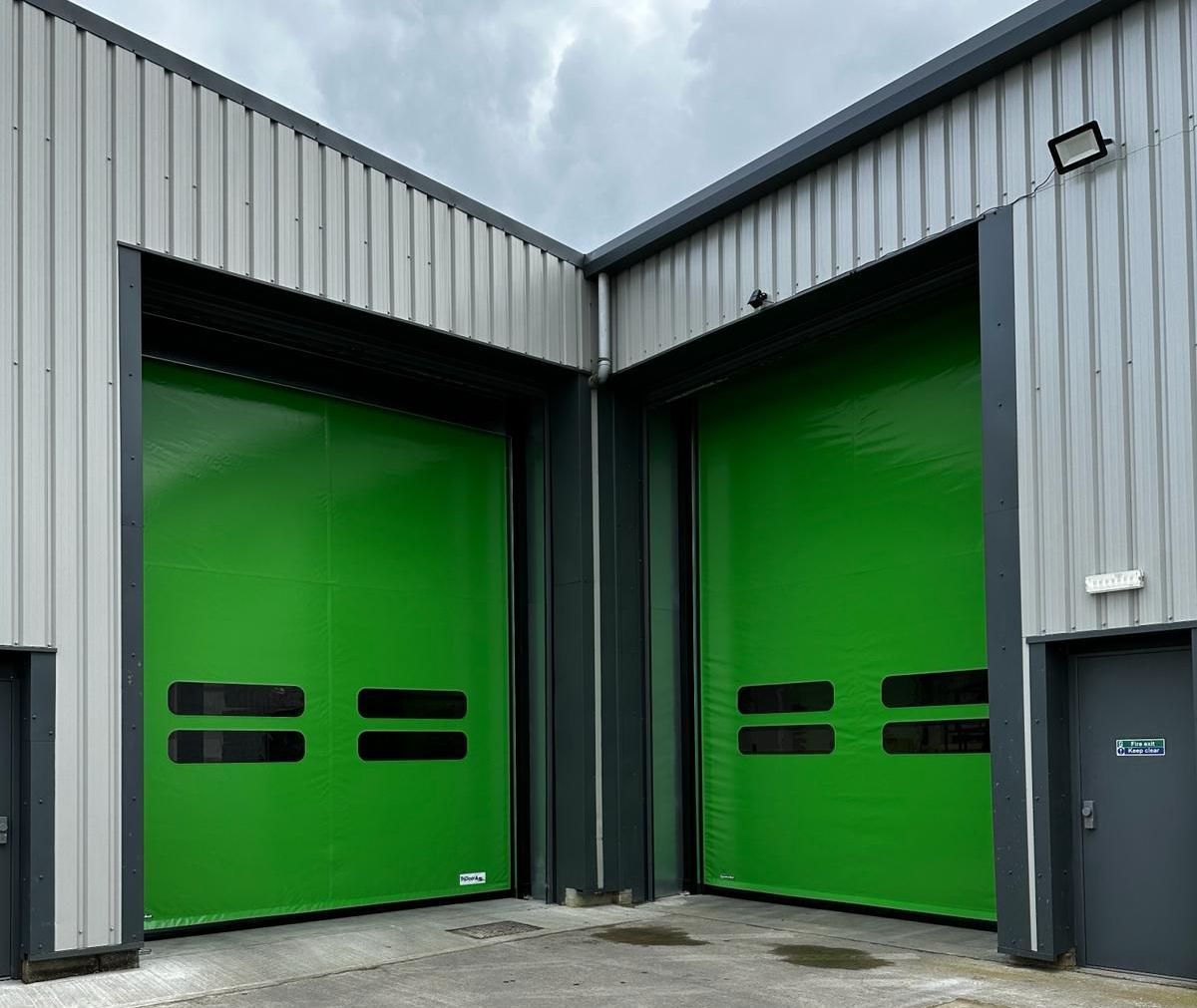
High-Speed Doors for Busy Facilities
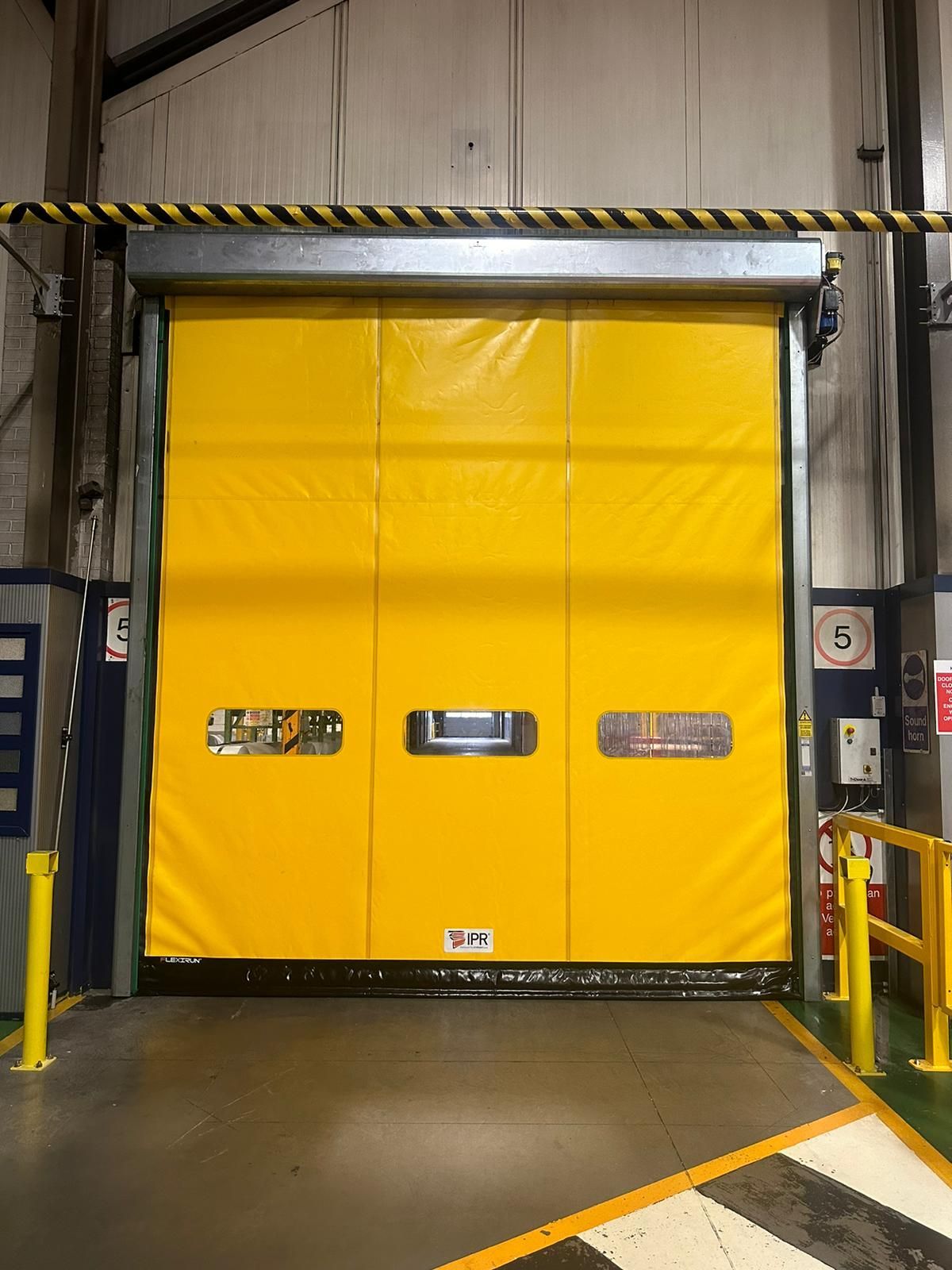
For sites with constant traffic movement, high-speed doors can dramatically reduce energy loss.
A common setup combines:
- A high-speed internal door
- An insulated external door
This arrangement limits the amount of time openings remain exposed during busy periods while maintaining strong insulation outside operating hours.
How PVC Strip Curtains and Airlocks Improve Efficiency
Even well-insulated doors lose energy whenever they open.
Additional solutions can further reduce temperature loss.
PVC Strip Curtains
PVC strip curtains create a flexible internal barrier that helps:
- Reduce air exchange
- Retain heat
- Improve workflow access
- Minimise draughts
They are especially effective in:
- Warehouses
- Food production areas
- Workshops
- Loading zones
Airlock Systems
Using two doors in sequence creates a thermal buffer zone that significantly reduces infiltration during loading operations.
This is particularly useful in:
- Cold stores
- Temperature-sensitive facilities
- Wind-exposed loading bays
How Quickly Can Insulated Doors Pay Back?
Energy savings vary depending on:
- Door size
- Frequency of use
- Internal temperatures
- Building airtightness
- Exposure to wind
- Existing door condition
However, many businesses see measurable savings within one to four heating seasons after upgrading older doors.
The biggest improvements often come from:
- Reducing air leakage
- Improving sealing
- Shortening open-cycle times
- Eliminating draughts
For busy industrial sites, the reduction in HVAC demand alone can make insulated door upgrades highly cost-effective.
Why Maintenance Protects Thermal Performance
Insulated doors gradually lose efficiency if seals wear out or components become damaged.
Without regular servicing, problems such as:
- Cracked seals
- Misaligned tracks
- Bottom rail gaps
- Motor strain
- Debris buildup
can all reduce thermal performance and increase operating costs.
Recommended Servicing Intervals
Most industrial doors should be serviced at least annually.
High-use doors often benefit from six-monthly inspections to maintain:
- Energy efficiency
- Operational safety
- Compliance
- Reliability
Bespoke Industrial Door Solutions from Tridoor
Every industrial building has different operational demands.
Tridoor manufactures and installs bespoke:
- Insulated roller shutters
- Sectional overhead doors
- High-speed doors
- PVC curtain systems
- Automated access solutions
Our team works closely with businesses throughout South Yorkshire and across the UK to specify the right combination of insulation, automation, weather protection, and operational performance.
FAQ
What is a good U-value for an industrial door?
Lower U-values indicate better insulation. Modern insulated sectional doors generally achieve stronger thermal performance than older non-insulated systems.
Are sectional doors more insulated than roller shutters?
In many cases, yes. Sectional doors often provide better airtightness and thicker insulated panels, although insulated roller shutters can still perform very effectively with proper sealing.
Do industrial doors help reduce energy bills?
Yes. Well-insulated industrial doors reduce heat loss, improve temperature stability, and reduce HVAC workload, helping lower energy consumption.
How often should industrial doors be serviced?
At minimum, industrial doors should be serviced annually. High-use systems often require servicing every six months.
What are the benefits of high-speed industrial doors?
High-speed doors reduce heat loss by shortening open-cycle times, improving workflow efficiency, and limiting temperature fluctuations.
The Bottom Line
Industrial doors play a major role in the energy efficiency of warehouses, workshops, and commercial facilities.
The best results come from combining:
- Strong insulation
- Effective perimeter sealing
- Reliable automation
- Fast operating speeds
- Ongoing maintenance
Sectional overhead doors often provide the highest thermal performance, while insulated roller shutters remain an excellent solution where space-saving and flexibility matter most.
With rising UK energy costs, upgrading industrial doors can deliver meaningful savings while improving comfort, operational efficiency, and long-term building performance.
To discuss insulated industrial door options or arrange a site survey,
contact Tridoor today.