
Fire shutter doors are one of those pieces of equipment that most businesses hope they never need to rely on, which is exactly why regular testing and clear certification matter so much. Insurers increasingly expect documented proof that fire-rated doors and shutters have been tested and maintained, particularly as sites head into winter when heating systems, extended operating hours, and increased electrical load can raise fire risk.
This guide explains what fire shutter testing typically involves, why certification matters for insurance purposes, and what businesses across Barnsley, Doncaster and the wider South Yorkshire area should have in place before the colder months set in.
Why Fire Shutters Need Regular Testing
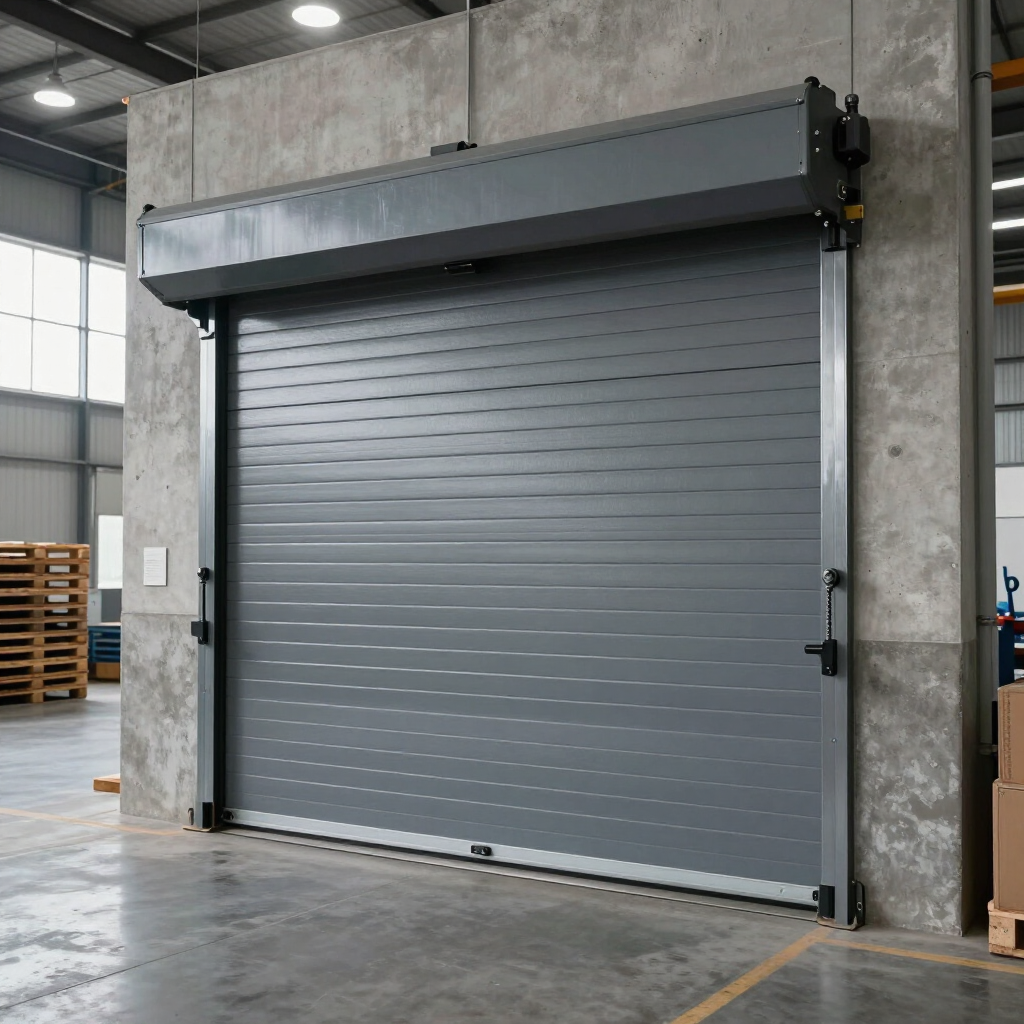
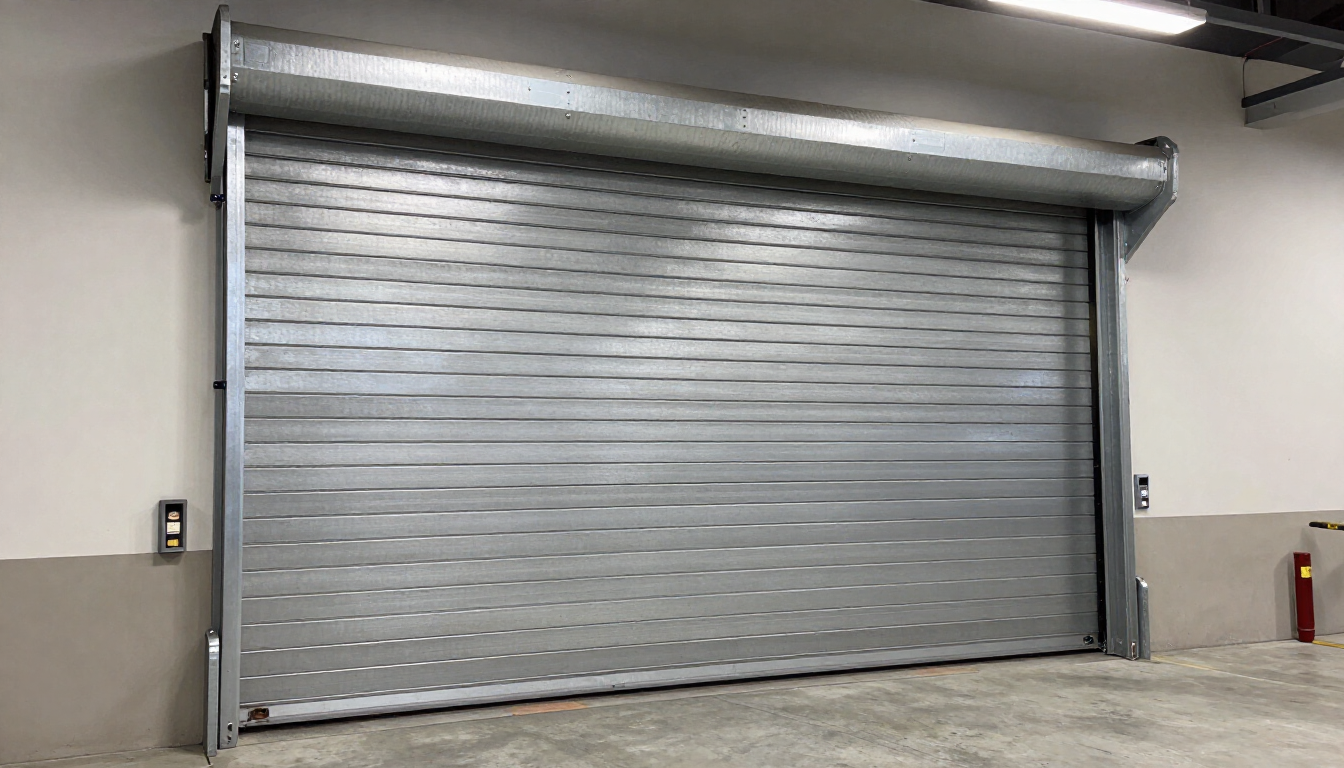
A fire shutter is designed to close automatically in the event of a fire, compartmentalising a building to slow the spread of smoke and flame and protect escape routes. If the shutter fails to close fully, or closes too slowly, its entire purpose is undermined at exactly the moment it matters most.
Regular testing checks that the release mechanism, whether triggered by a fusible link, smoke detection, or the fire alarm system, activates correctly and that the shutter closes fully within the expected timeframe. Mechanical wear, dust build-up, and even minor misalignment over time can all affect how reliably a shutter performs when called upon.
Because fire shutters are often installed years before an issue becomes apparent, a testing schedule catches problems long before they become a genuine safety risk, rather than relying on the shutter working correctly the one time it is actually needed. This is particularly important on sites where staff and visitors move through the building daily without a second thought for the fire safety equipment around them.
What A Typical Test And Service Visit Covers
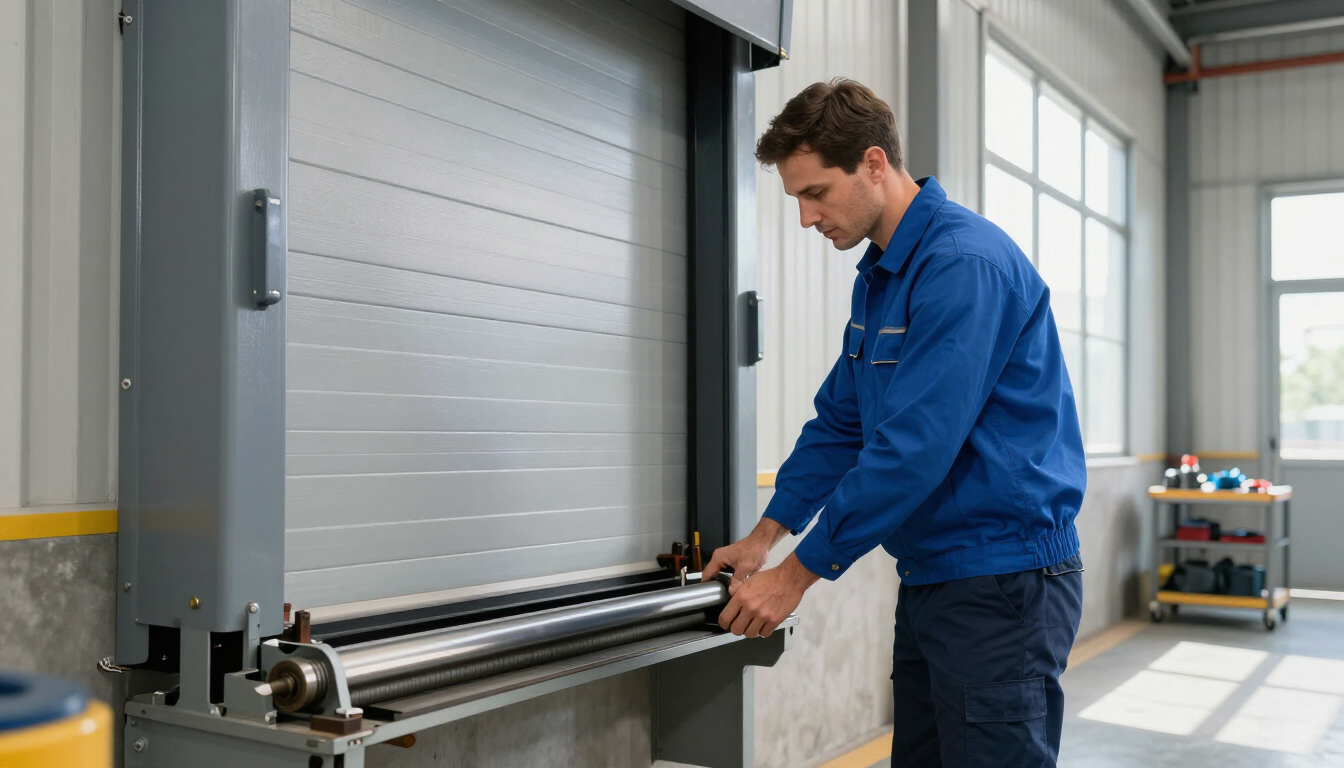
A thorough fire shutter service goes beyond simply triggering the release mechanism once and confirming the curtain drops. Engineers check the guide rails for obstruction, inspect the curtain for damage or corrosion, and confirm that any smoke or heat detection linked to the shutter is communicating correctly with the release system.
Lubrication of moving parts, tension checks on springs or counterweights, and a full function test under both automatic and manual release conditions are all standard parts of a proper service visit, not optional extras.
Following the visit, a written report and certificate should be provided, documenting exactly what was tested, any faults found, and confirmation that the shutter meets its required fire rating and closing time.
Automatic Versus Manual Release Testing
Both the automatic trigger, usually linked to the fire alarm or a fusible link, and the manual override need to be tested separately, since a shutter that closes correctly on manual release will not necessarily activate properly through its automatic trigger, and vice versa.
Documentation Insurers Actually Want To See
Insurers generally want to see a clear service history showing regular testing intervals, the name of the engineer or company carrying out the work, and confirmation that any identified faults were rectified promptly rather than left outstanding.
Preparing Before Winter Sets In
Winter tends to bring higher fire risk for many commercial and industrial sites, whether through increased heating use, generators, or simply more electrical equipment running for longer hours as daylight shortens. It is a sensible time of year to confirm that fire shutter testing is genuinely up to date rather than assuming it has been dealt with.
Sites that have had any structural work, new equipment installed nearby, or changes to layout since the last test should treat this as an additional reason to book an inspection, since even minor changes near a shutter's guide rails or detection sensors can affect performance.
Booking testing ahead of the busier winter period also avoids the scramble that can happen if an insurance renewal or a routine audit suddenly asks for up-to-date certification that is not readily available.
Before winter, it is worth confirming the following for every fire shutter on site:
- Date of the last full test and service, and whether it is within the recommended interval
- Whether a current test certificate is on file and accessible
- That guide rails and the surrounding area are clear of stored items or new equipment
- Whether any faults noted at the last service have been fully resolved
Book Your Fire Shutter Service With Confidence
Fire shutter testing is not a box-ticking exercise; it is genuinely one of the more important pieces of maintenance a commercial or industrial site can keep on top of. Our engineers carry out testing and servicing across Barnsley, Doncaster, Sheffield, Wakefield, Rotherham and the rest of Yorkshire, providing clear documentation your insurer will accept without question.
View our full range of industrial door products and services or contact our team to book a fire shutter test before winter.
FAQs
How often should fire shutters be tested?
Testing frequency depends on the specific shutter, its usage, and the requirements of the building's fire risk assessment, but many commercial sites schedule testing at least annually, with additional checks after any structural changes nearby.
What happens if a fire shutter fails its test?
Our engineers will identify the fault and recommend the necessary repair or part replacement, then retest the shutter to confirm it meets its required rating before issuing a valid certificate.
Will my insurer accept a self-certified test, or does it need to be third party?
Most insurers expect testing to be carried out by a competent, qualified engineer or contractor with the equipment and training specific to fire door and shutter servicing, rather than an in-house, informal check.
Can fire shutter testing be scheduled outside normal business hours?
Yes, we can generally arrange testing and servicing around a site's operating hours to minimise disruption, particularly for sites that run continuous shifts or cannot easily pause loading bay activity during the day.