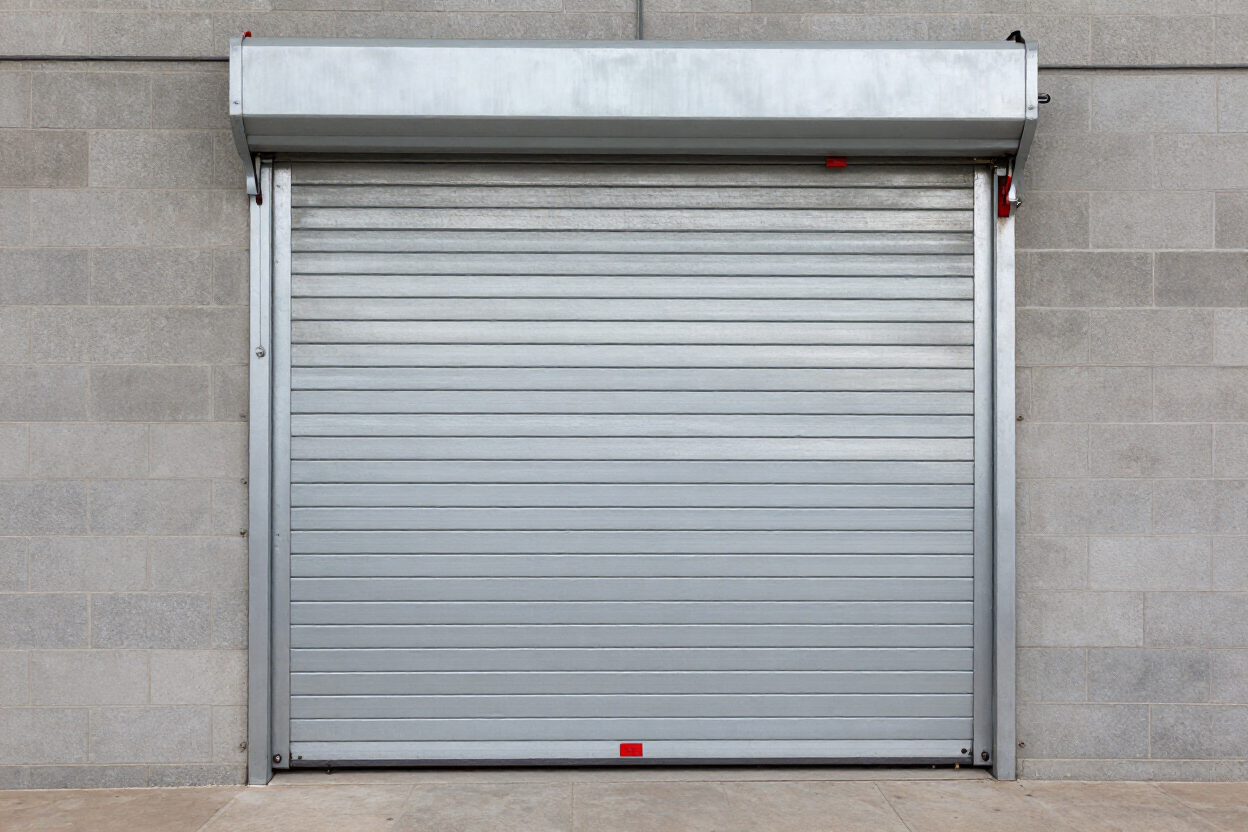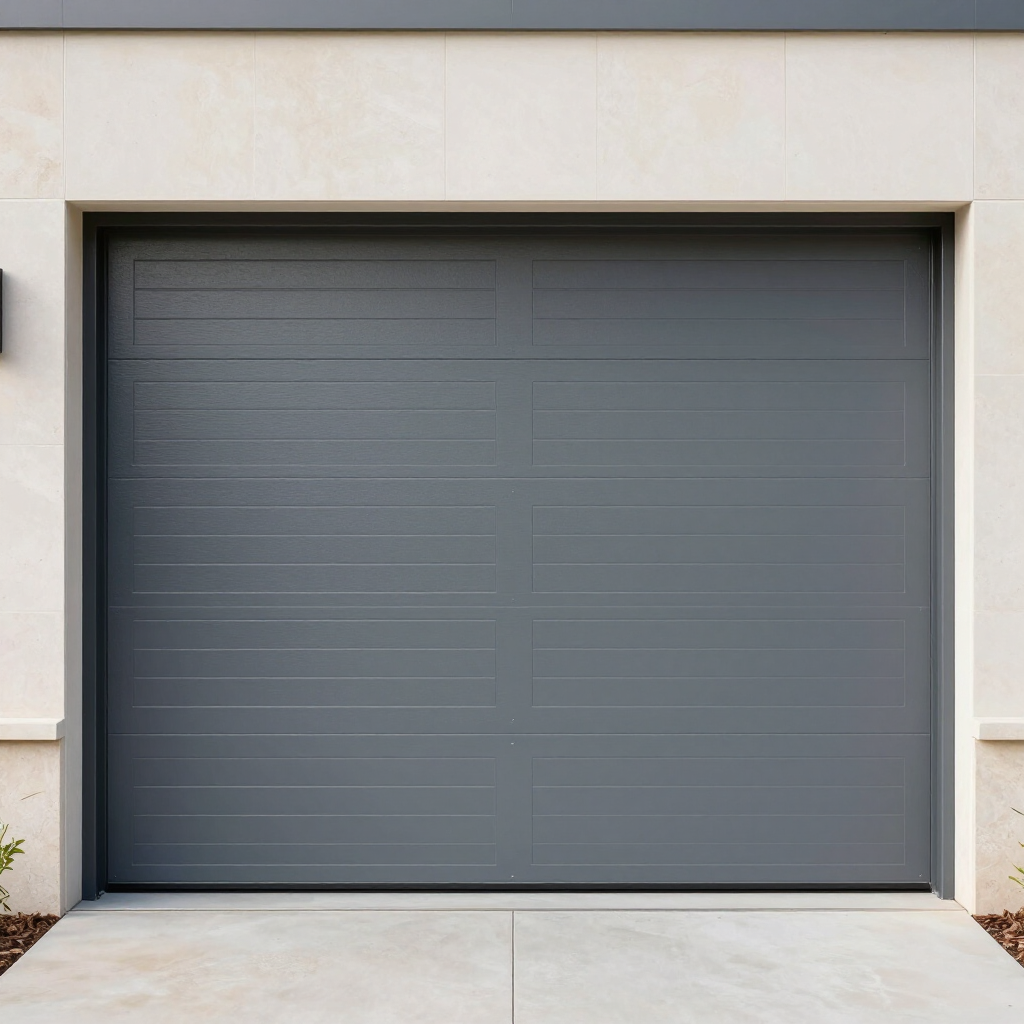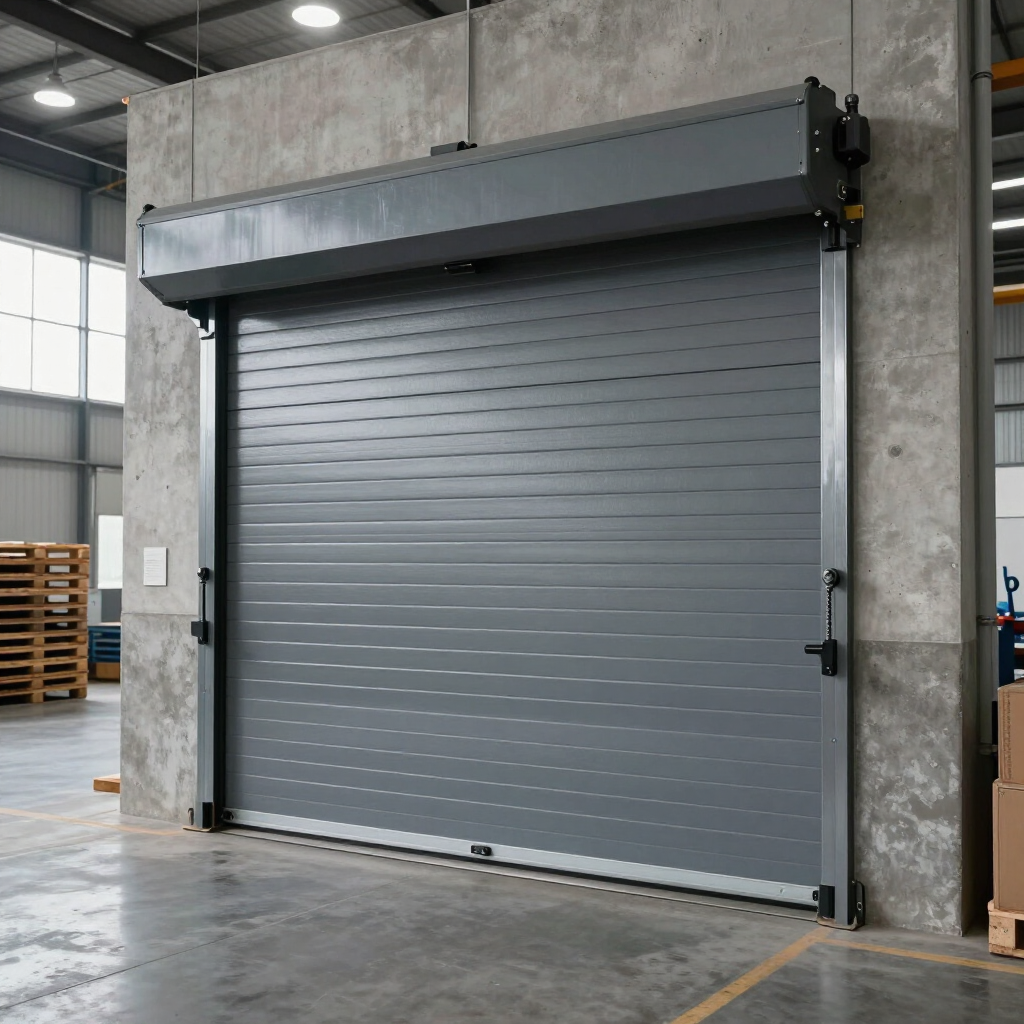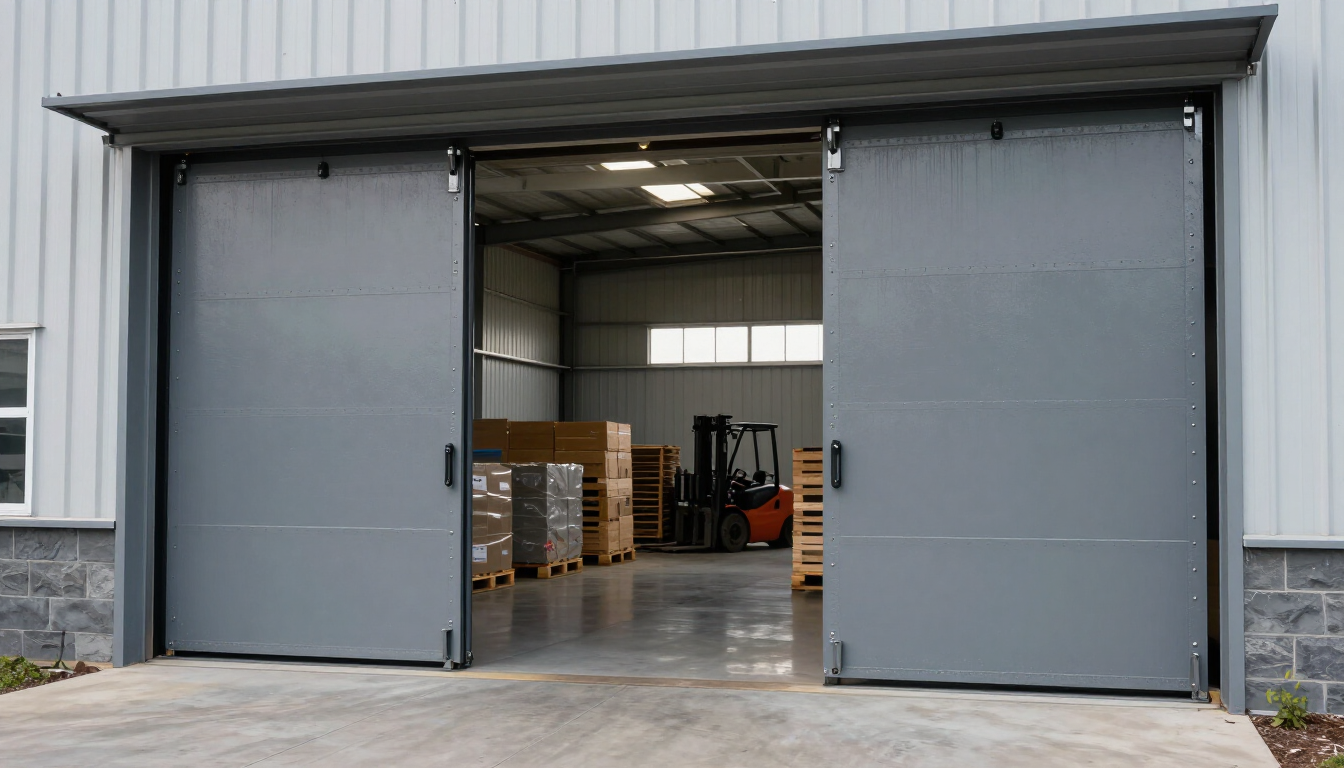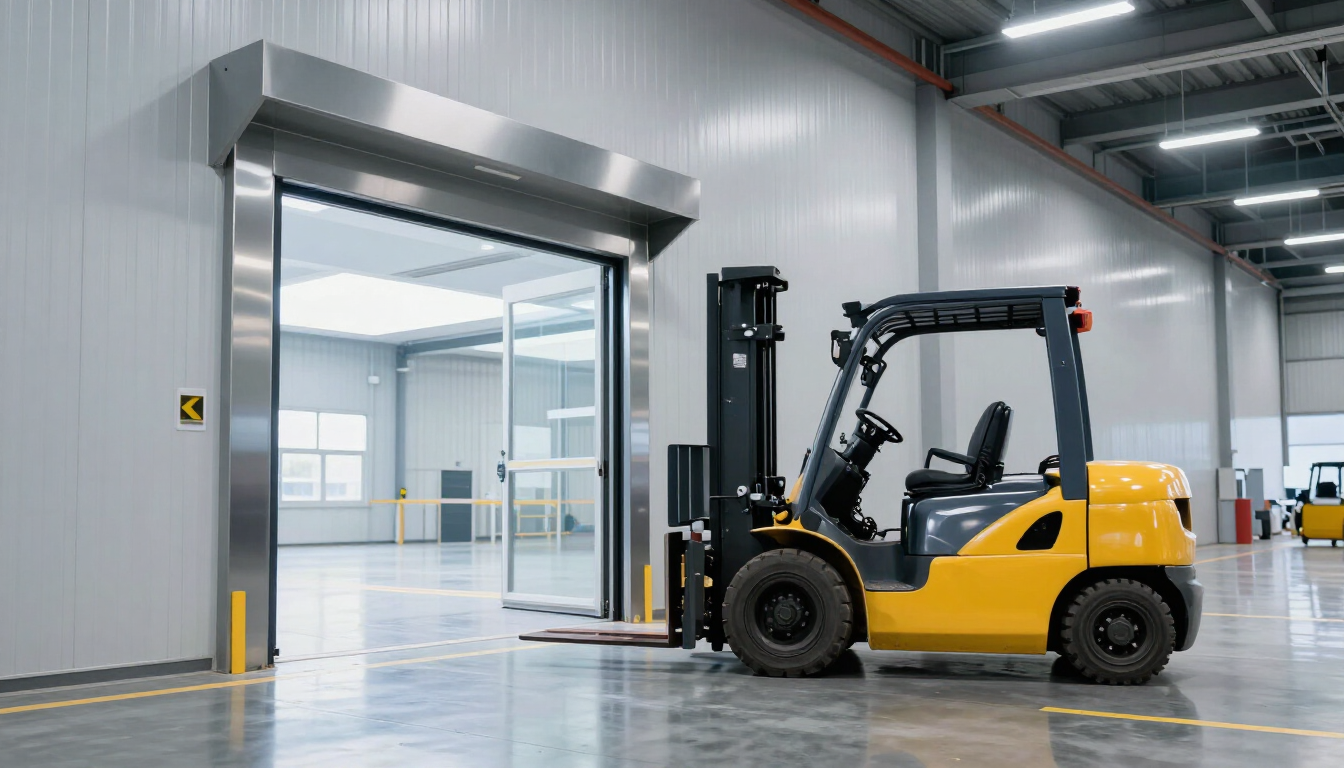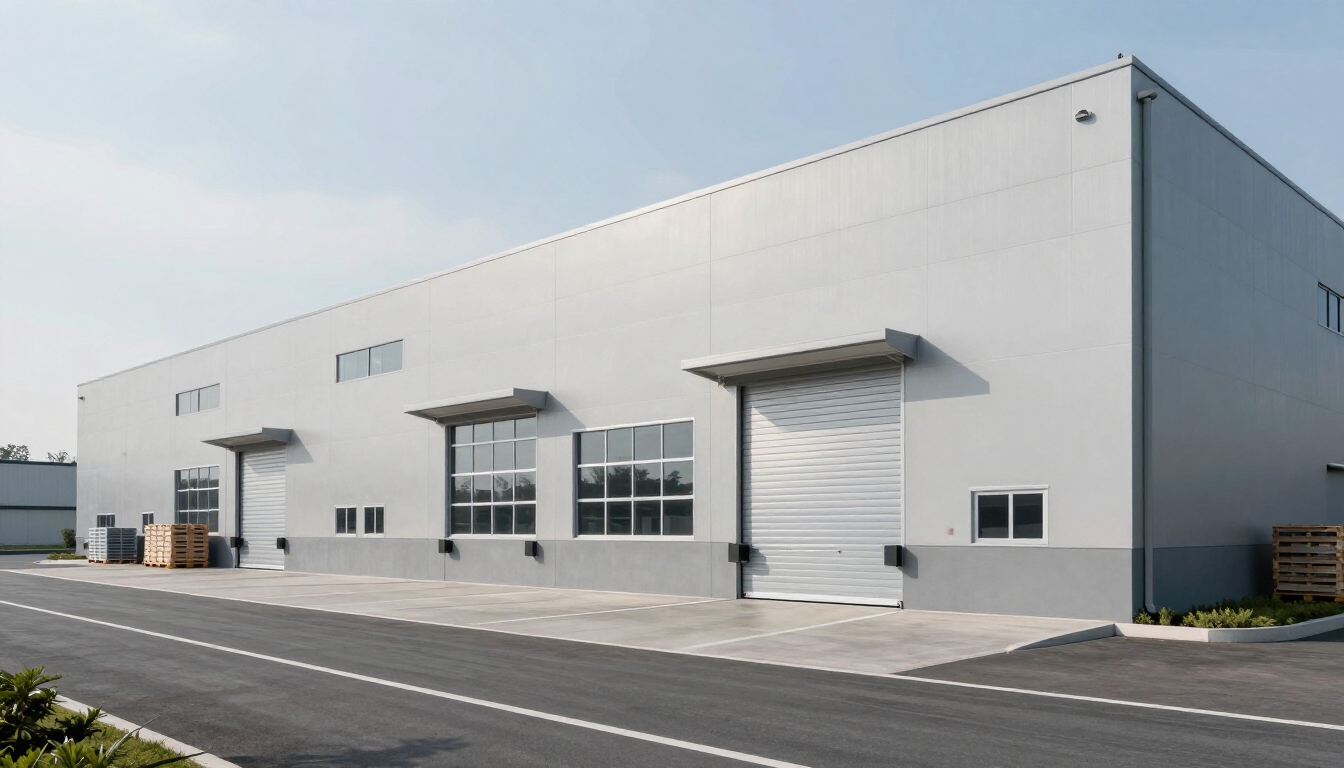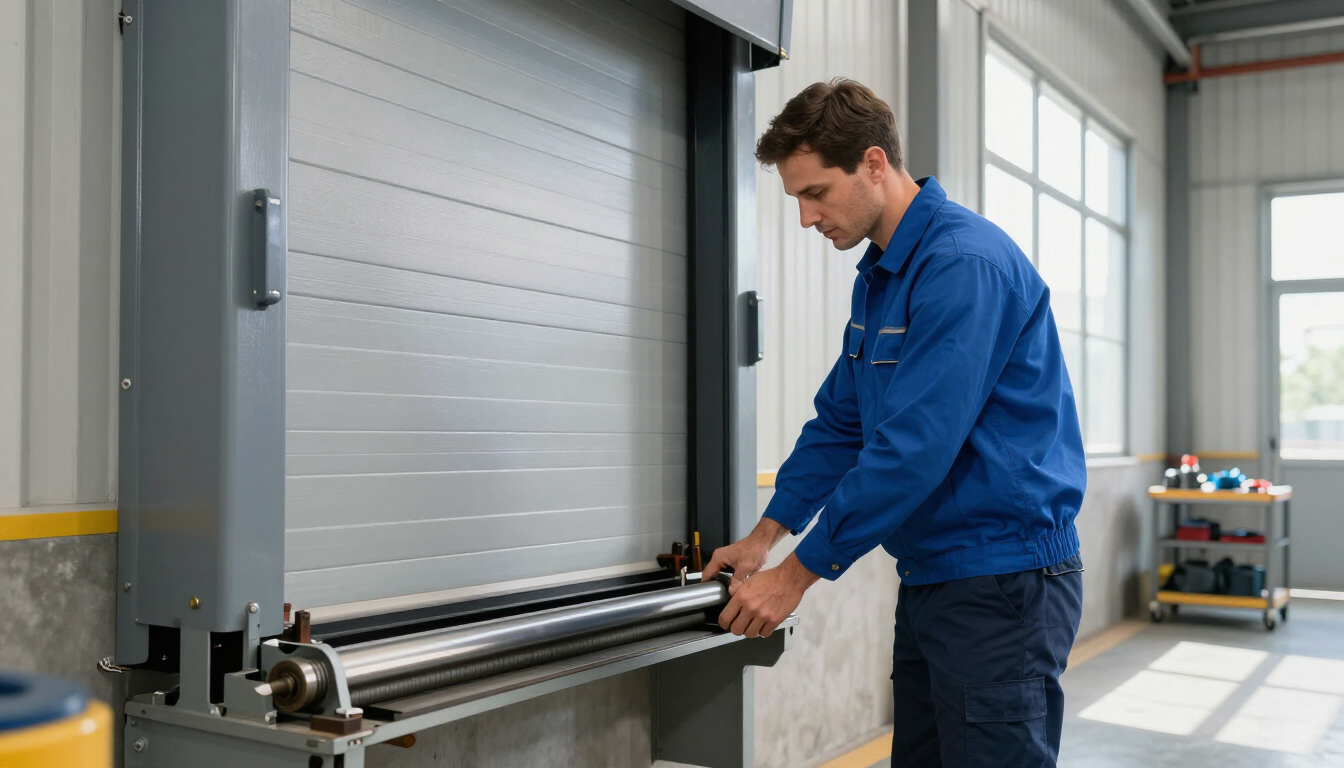

A loading bay is one of the hardest-working parts of any warehouse or distribution site, and the door protecting it needs to cope with constant cycling, weather exposure, and the physical demands of forklifts and delivery vehicles operating close by. Sectional overhead doors are a common choice for this environment, but getting the door specification right involves more than just picking a size off a standard list.
This guide covers the details that matter most when specifying a sectional overhead door for a loading bay across South Yorkshire, from perimeter seals and vision panels through to how the door integrates with an existing dock leveller.
Why Sectional Doors Suit Loading Bay Environments
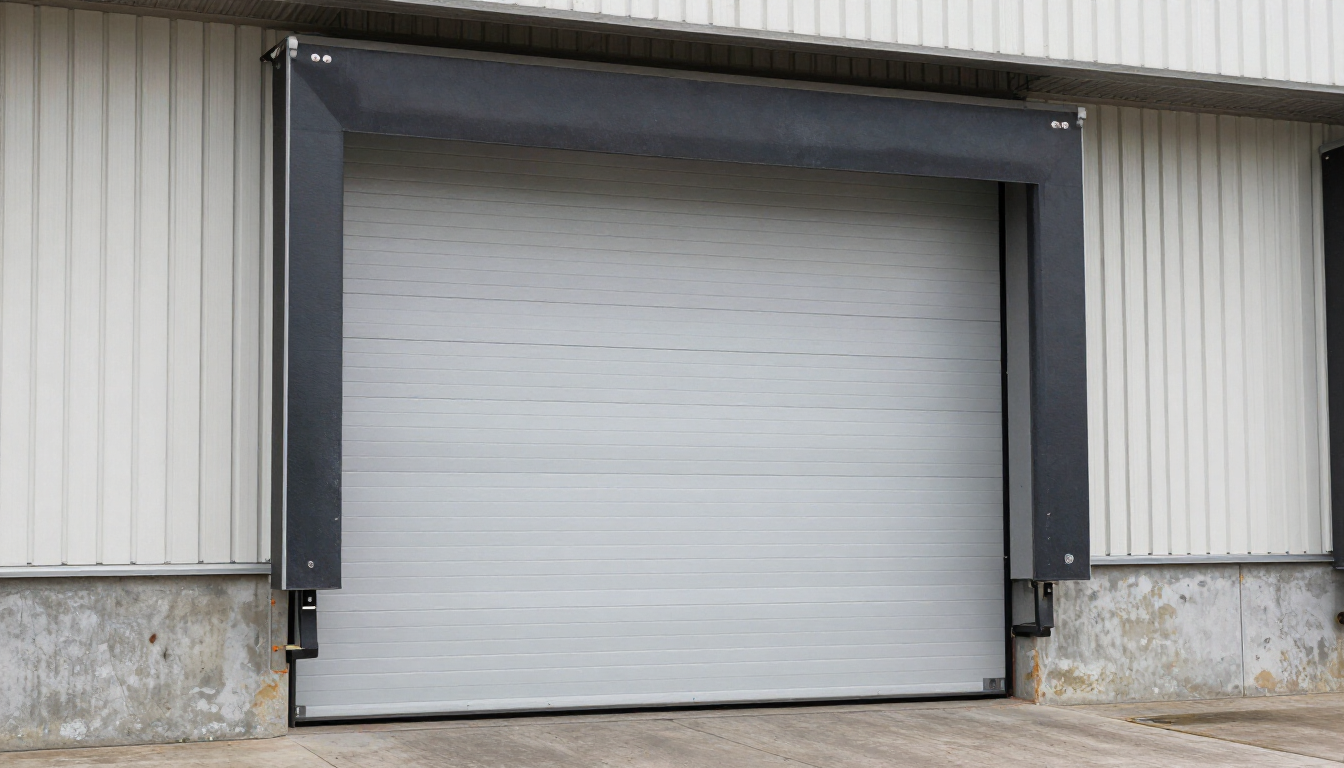
Sectional overhead doors are built from horizontal panel sections that travel vertically along tracks, curving up and along the ceiling rather than swinging outward. This means the full width of the opening remains usable right up to the door itself, which matters in a loading bay where reversing vehicles and manoeuvring space are often tight.
The panel construction also allows for good insulation values compared with a traditional roller shutter, since each section can be built with an insulated core rather than a single skin of curtain material. For sites handling temperature-sensitive goods, this difference in thermal performance can be significant.
Because the door travels overhead rather than coiling into a compact barrel, sectional doors also tend to offer smoother, quieter operation, which is a genuine benefit on sites running frequent cycles throughout a working shift.
Perimeter Seals And Weather Protection
A loading bay door is only as good as the seal around its edges. Even a well-built panel will let in draughts, dust and moisture if the perimeter seals are worn, poorly fitted, or simply not specified correctly for the opening in the first place.
Brush seals and rubber weather seals are fitted along the sides, top and bottom of most sectional doors, and the bottom seal in particular takes the most punishment, since it makes contact with the ground on every cycle and is exposed to debris being driven or wheeled across the threshold.
For sites where temperature control matters, such as food distribution or cold storage facilities, additional dock shelters or inflatable seals can be fitted around the opening to create a tighter connection between the vehicle and the building, reducing heat loss during loading and unloading.
Vision Panels For Safety And Visibility
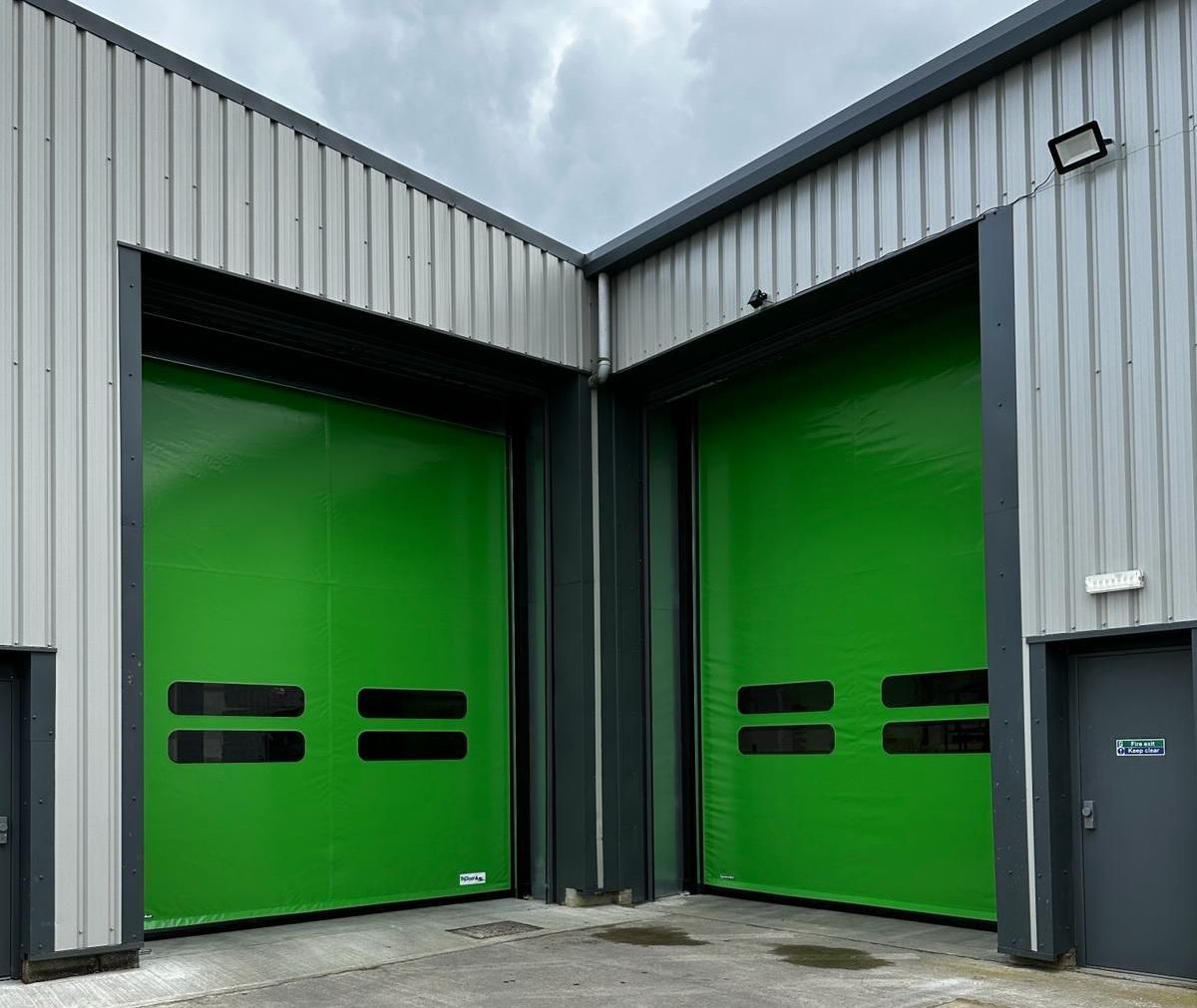
Vision panels, small reinforced glazed sections built into individual door panels, allow staff and forklift operators to see whether a bay is clear before opening the door fully. This reduces the risk of collisions during busy periods and is a straightforward safety upgrade worth specifying on any door used for regular vehicle or pedestrian traffic.
Insulated Panels For Energy Control
Where energy costs or temperature-sensitive goods are a concern, insulated panels significantly reduce heat transfer compared with a standard steel curtain, helping to keep internal temperatures more stable even with frequent door cycling.
Integrating With Dock Levellers And Existing Infrastructure
Many loading bays already have a dock leveller in place to bridge the gap between the warehouse floor and a delivery vehicle's trailer bed, and any new or replacement door needs to work alongside this equipment rather than around it. Clearances, control sequencing and safety interlocks all need to be considered together during specification.
Interlocking the door with dock levelling equipment, so that the door cannot be raised until the leveller is in a safe position and vice versa, is a common safety measure on busy sites and something our engineers regularly build into new installations.
Retrofitting a new sectional door onto an existing dock setup is entirely possible in most cases, but it does require an accurate site survey to confirm headroom, side clearances, and how the new door's controls will integrate with any existing dock equipment or building management system.
Key details worth confirming before specifying a loading bay door include:
- Available headroom and side room for the track and curved section
- Whether the door needs to interlock with a dock leveller or safety barrier
- Insulation requirements based on the goods being handled
- Frequency of daily cycling and expected wear on seals and hardware
- Access for door maintenance without disrupting daily loading operations
Specified And Fitted By Engineers Who Understand Loading Bays
Getting a loading bay door right the first time saves ongoing maintenance headaches and keeps a site running efficiently. With 30 years of experience manufacturing and maintaining industrial doors across Barnsley, Leeds, Doncaster, Wakefield, Sheffield and Rotherham, our engineers can advise on the right seals, panel specification and dock integration for your site.
Explore our range of sectional overhead doors or get in touch for a free site survey to discuss your loading bay requirements.
FAQs
How often should loading bay door seals be inspected?
For sites with frequent daily cycling, seals should ideally be checked as part of routine maintenance visits, since the bottom seal in particular wears faster than other components and directly affects insulation and weather protection.
Can a sectional door be interlocked with an existing dock leveller?
Yes, in most cases. Our engineers can assess the existing dock equipment and build a safe interlock sequence into the new door's controls, so the door and leveller cannot be operated unsafely at the same time.
Do insulated sectional doors cost significantly more than standard panels?
Insulated panels do carry a higher upfront cost than single-skin steel curtains, but the difference is often offset over time through reduced heat loss, particularly on sites handling temperature-sensitive goods or running the door frequently through the day.
What is the typical lifespan of a sectional overhead door in a busy loading bay?
With regular maintenance, a well-specified sectional door can operate reliably for many years even under frequent cycling, though the exact lifespan depends on usage intensity, seal wear, and how promptly minor issues are addressed.