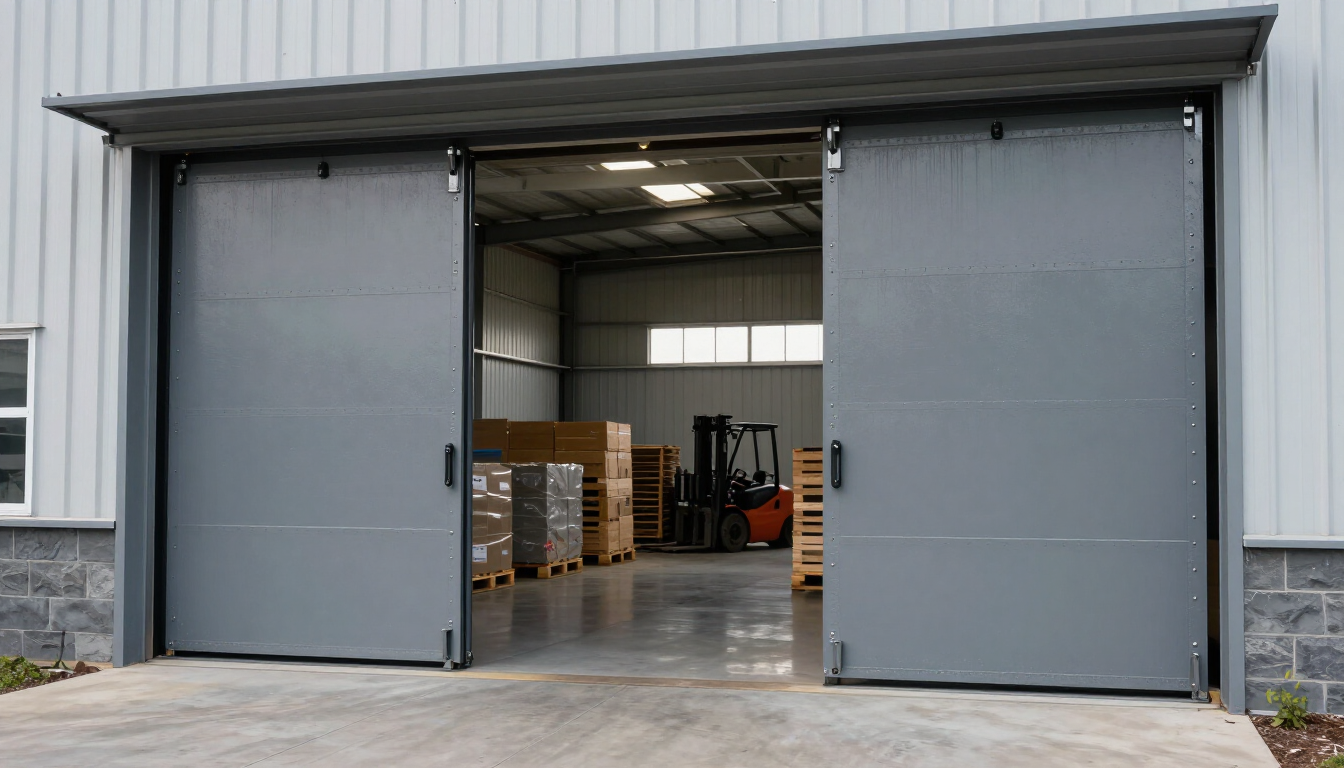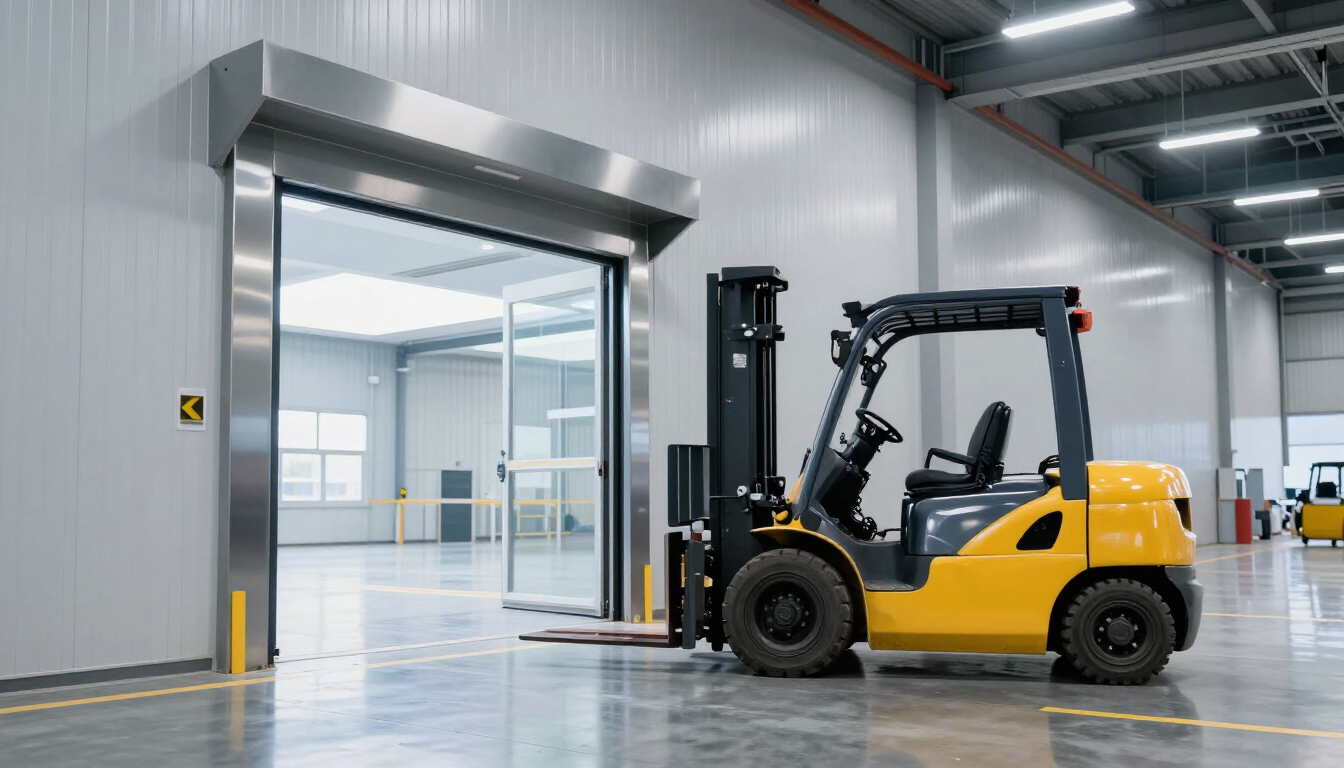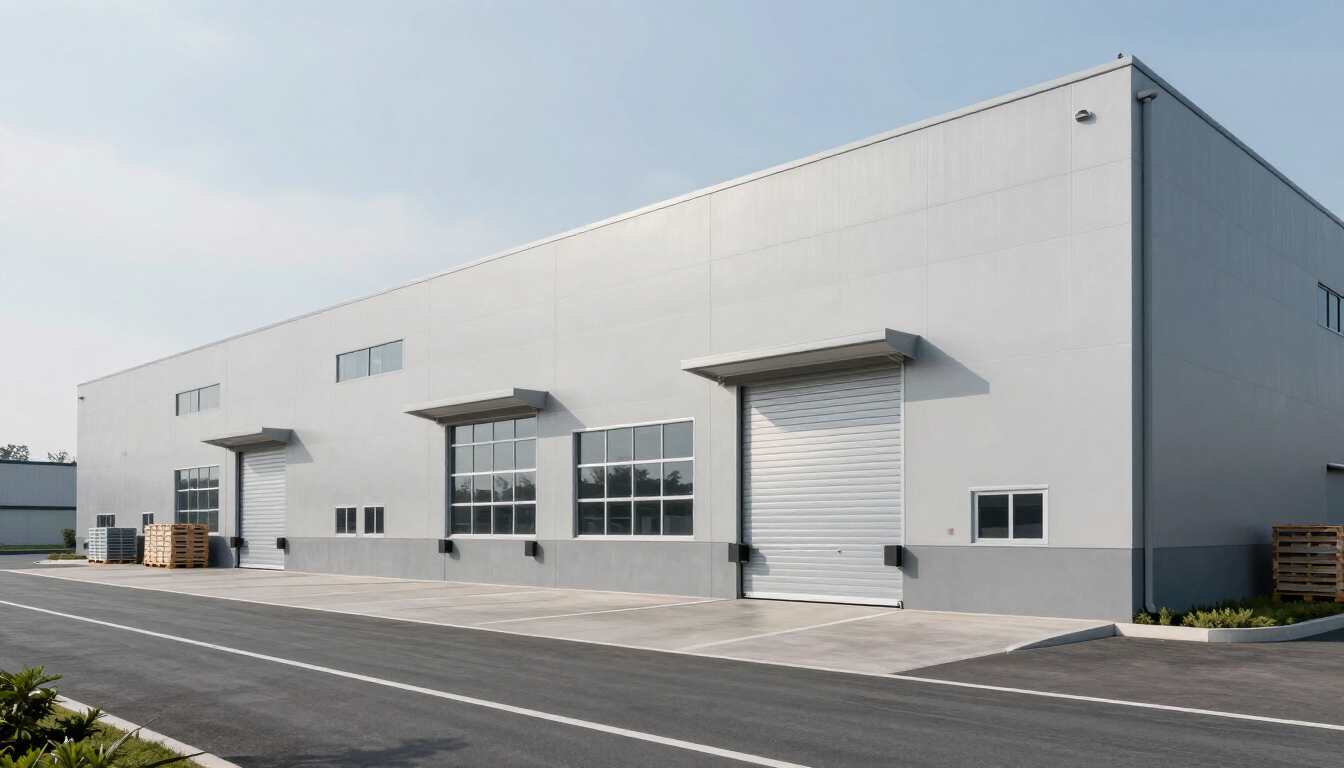

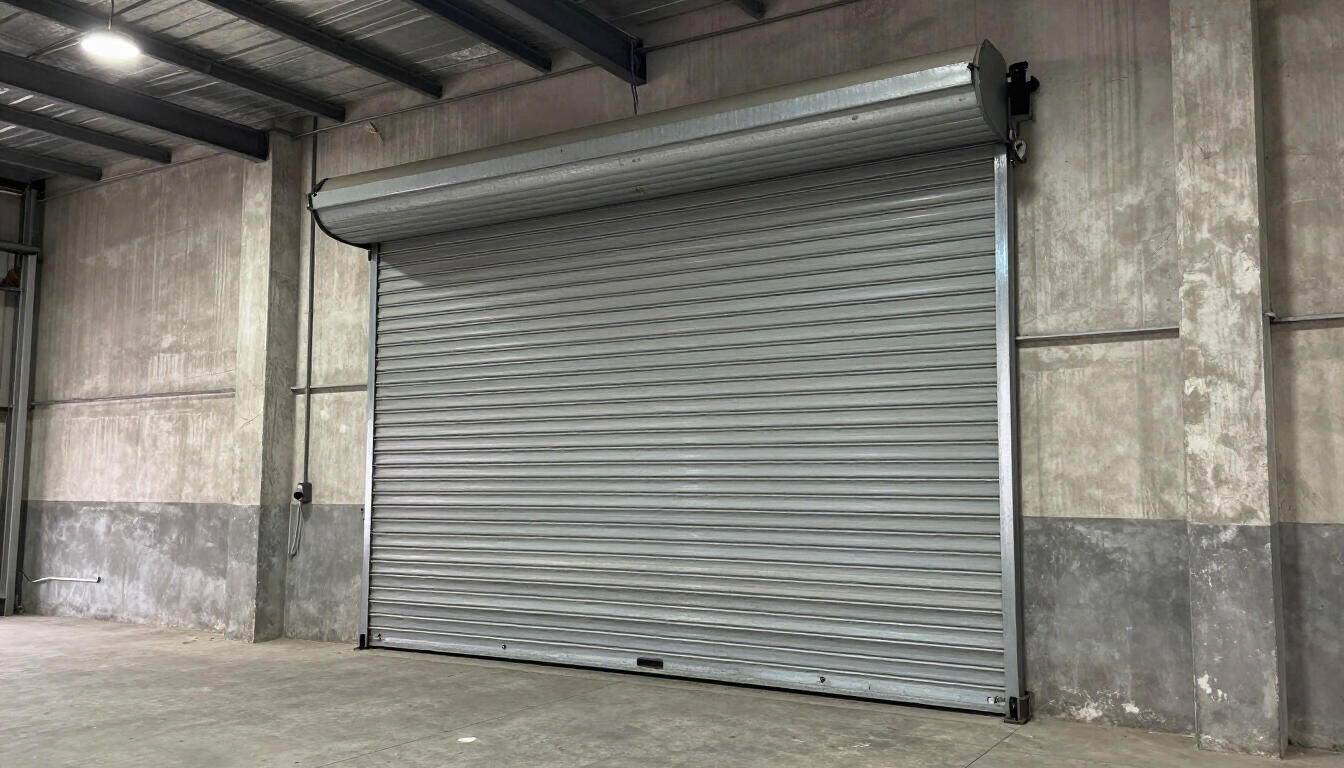
Peak holiday closures put real pressure on access points. If a shutter fails on the last dispatch of the day, or a sectional door jams just as staff are heading off-site, production stops and compliance questions follow not far behind. Planned preventative maintenance is what keeps doors safe, legal, and ready to work when you actually need them most.
This guide sets out your duties, what a genuinely competent maintenance visit should include, and how often high-use doors need servicing. It also covers the evidence you should be receiving after every visit and why 24/7 emergency cover matters more than most sites realise until the day it doesn't show up.
At Tridoor Industrial Door Services Ltd, we design, manufacture, install, and maintain door systems from our Barnsley base, with fully trained engineers available 24 hours a day, 365 days a year across South Yorkshire.
Your legal duties for workplace doors
Workplace doors and shutters count as work equipment under the law, which means they have to be safe, properly maintained, and inspected at suitable intervals under Health and Safety at Work duties and the Provision and Use of Work Equipment Regulations, known as PUWER.
Where lifting elements are involved, LOLER inspections can come into play too. Automatic doors need force testing and the right safety devices fitted, in line with Machinery Directive guidance and Construction Products Regulation obligations, none of which is optional, whatever the age of the door.
In practice, that translates into a fairly short list of things you actually need in place:
- A documented maintenance system with competent persons responsible for it.
- Routine servicing at least annually, more often for high-use or higher-risk doors.
- Records of inspections, safety test results, and any remedial work carried out.
- Clear evidence that the safety features actually function correctly, not just that they exist.
Insurers and auditors will expect to see this paperwork without having to chase for it. Failing to maintain doors properly can invalidate cover entirely, and it leaves you exposed to enforcement action if something goes wrong afterwards.
How often to service: annual vs six-monthly
As a baseline, plan an annual service for most workplace doors. Where a door cycles frequently, protects a critical escape route, sits exposed to weather, or runs automatically in busy traffic, it's worth moving to six-monthly planned preventative maintenance instead. A lot of logistics bays, food production doors, and rapid rolls do well with three to four brief touchpoints a year between the major services, though the most common uplift you'll see in practice is simply a twice-yearly visit rather than anything more elaborate.
Typical guidance by usage looks something like this:
- Low to moderate use of industrial shutters and sectional doors: an annual service.
- High-use shutters, high-speed doors, and key logistics openings: six-monthly servicing.
- Fire shutters and doors: follow the manufacturer's instructions plus regular functional tests, with an annual service as an absolute minimum.
Domestic garage doors should still be serviced annually, or sooner if you notice more noise than usual, a change in balance, or any damage to the safety edge or photocells.
What a competent maintenance visit includes
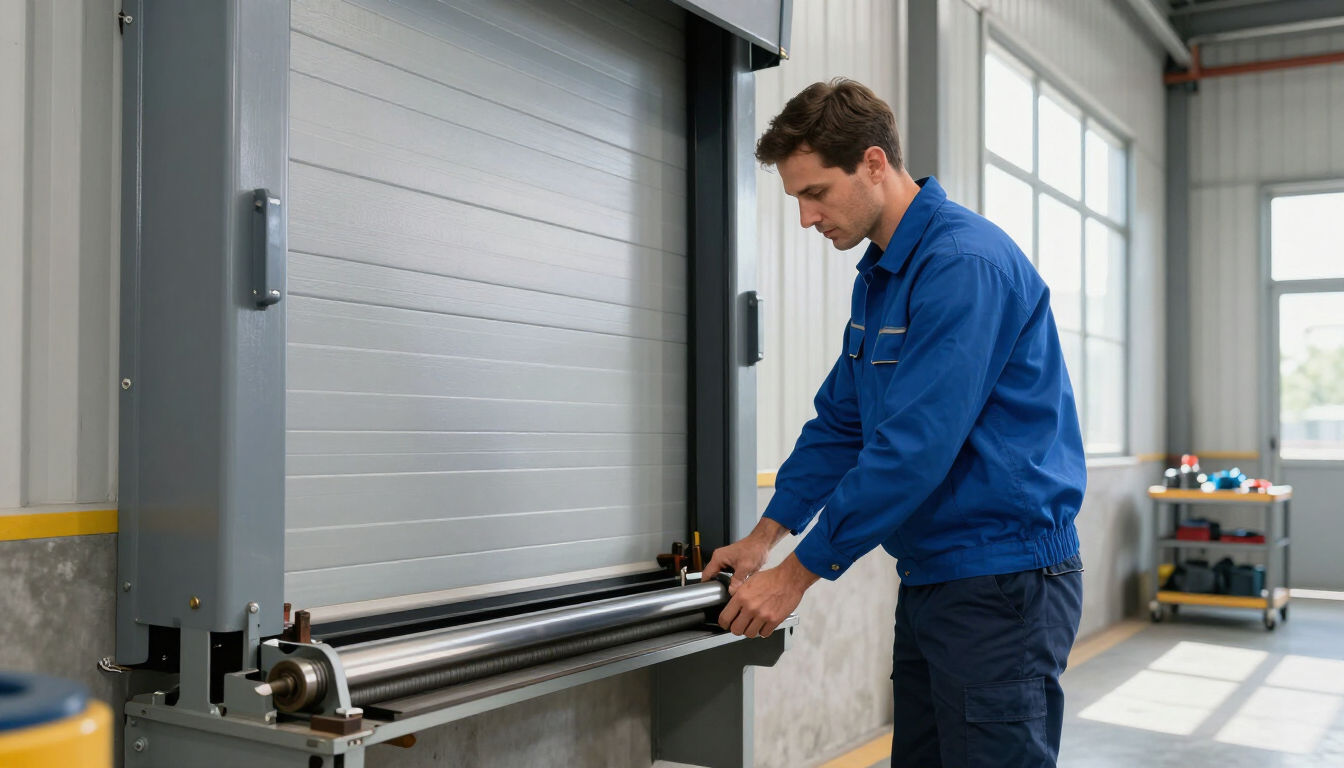
A proper planned visit is structured, test-led, and recorded rather than a quick once-over with a can of oil. Engineers should complete a risk assessment on arrival, isolate the door safely, and then work through a full checklist rather than skipping ahead to whatever looks obviously wrong.
That typically covers force testing on automatic doors using calibrated meters with the values actually recorded, not just eyeballed; safety device checks across safety edges, low-level beams, photocells, light curtain grids, emergency stops, and manual overrides; mechanical integrity of laths or curtain condition, endlocks, guides, barrels, springs, and anti-fallback or safety brakes; balance and counterbalance tests alongside smooth travel, limit settings, and hold-to-run where it applies; electrical controls, wiring, isolators, interlocks, and signage; seals, weatherstrips, fixings, hinges, and panel joints on sectional doors, plus curtain alignment and wind locks on shutters; lubrication, tensioning, and any minor adjustments needed; and finally a functional test with traffic actually present, confirming safe closing forces and correct reversal.
Where a defect turns up, the engineer should classify the risk, make the door safe there and then, and repair immediately using stocked parts wherever that's possible.
If a return visit turns out to be necessary, you should be left with a quotation that sets out clear priorities rather than a vague promise to come back.
Evidence you should receive
Maintenance only really counts as defensible when it's documented properly. After each visit, you should be issued with a specific set of paperwork:
- A service and inspection report listing every test performed, the results, any defects found, and the corrective action taken.
- Force test certificates for automatic systems, where they apply.
- LOLER or PUWER inspection records, if the door falls within scope.
- A compliance statement confirming the door was left safe to operate, or full details of any restrictions if it wasn't.
Keep all of this with your health and safety file. It's what supports audits, insurer requests, and any incident investigations that come up later, and it's a lot easier to produce on request than to reconstruct after the fact.
Emergency repair response and uptime
Even with planned maintenance in place, impacts and component failures still happen, that's just the nature of doors that get used hundreds of times a day.
Tridoor runs a 24/7 emergency repair service from Barnsley with stocked service vehicles and trained engineers who'll attend day or night, bank holidays included. Rapid fault-finding, ready access to common mechanical and electrical parts, and the ability to isolate and make a door safe quickly all cut down on downtime that would otherwise stack up.
For multi-bay sites, engineers can also help re-route traffic and set up temporary controls while a permanent fix gets arranged, rather than leaving a whole bay out of action in the meantime.
High-use environments: why six-monthly pays back
Doors that cycle hundreds of times a day see accelerated wear on springs, barrels, motors, safety edges, and beams, and small amounts of drift in the limits or balance quietly increase the forces involved, shorten component life, and raise risk without anyone necessarily noticing straight away.
A six-monthly schedule catches these changes early, before they turn into a breakdown, and it also lines up neatly with seasonal shifts, so weather seals, heaters, and controls all get checked ahead of winter or summer peaks rather than during them.
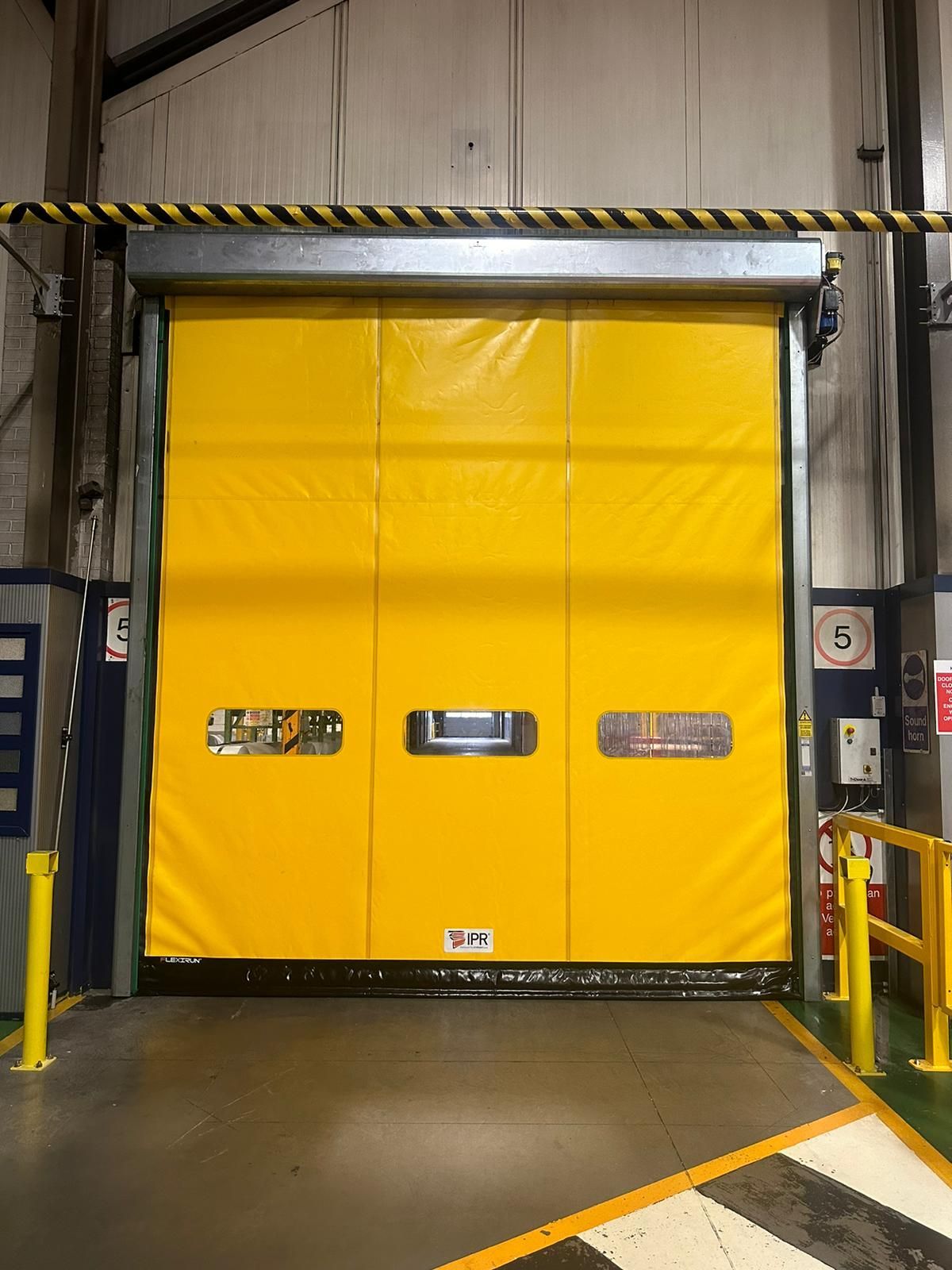
For logistics, food, and pharma sites running high-speed doors or insulated shutter systems, pairing six-monthly services with brief interim checks tends to cut unplanned stoppages further still. Where assets need upgrading, our team can also advise on retrofittable safety edges, light curtains, and anti-fallback devices to bring older doors closer to current expectations without a full replacement.
Regional capability and related services
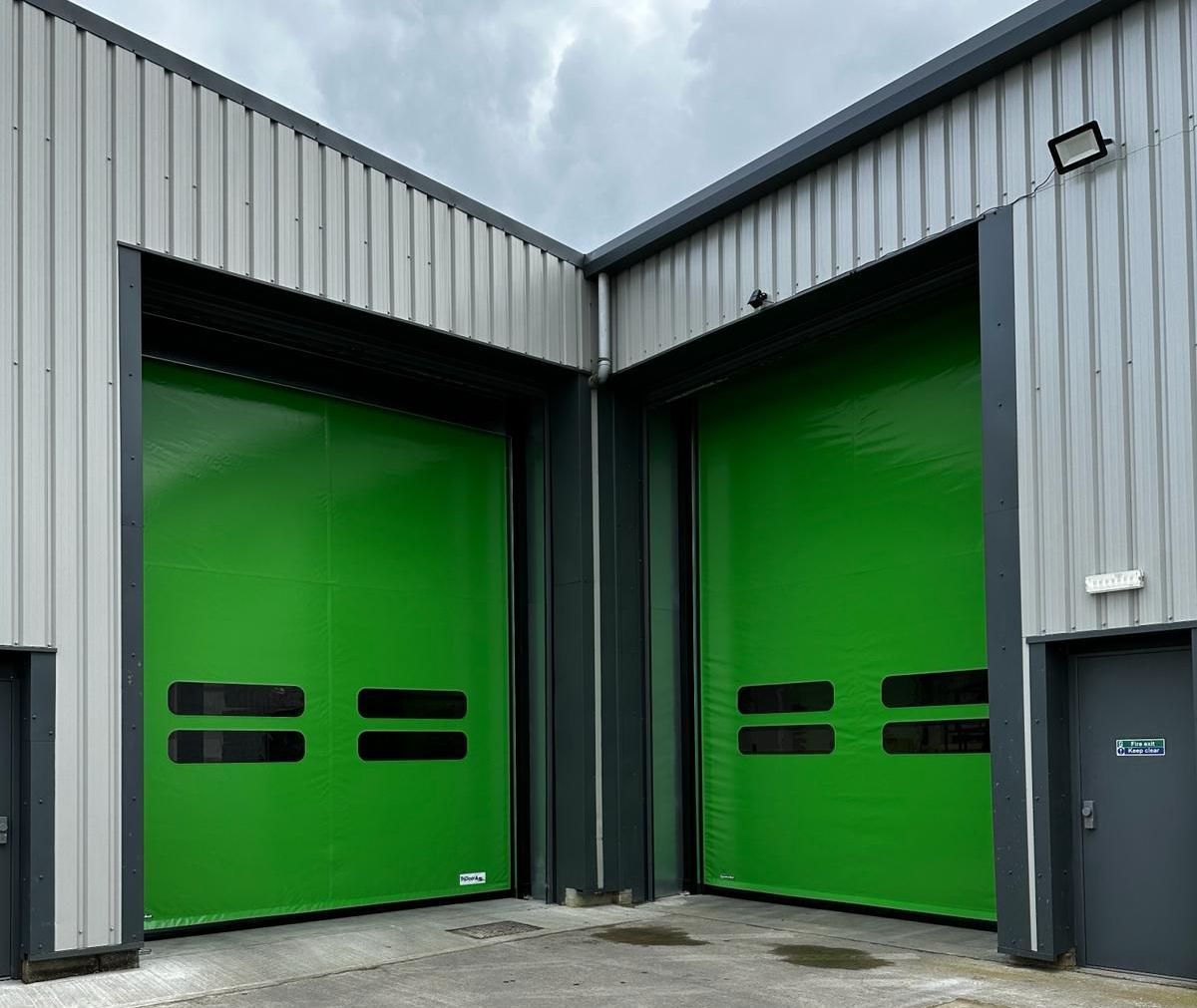
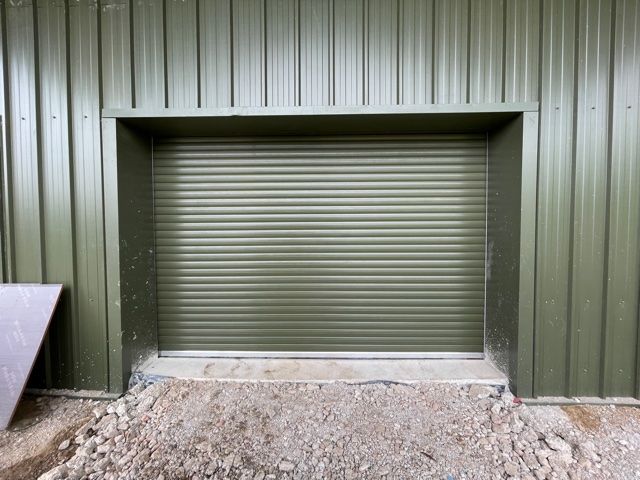
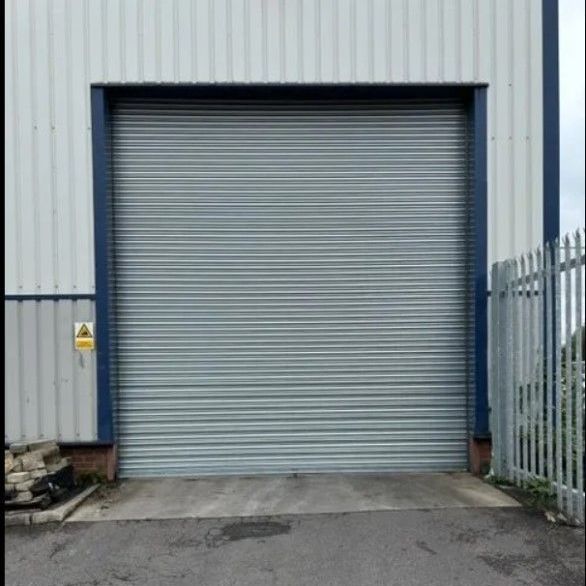
From our Barnsley facility we support new projects and maintenance across industrial doors in South Yorkshire, including roller shutters, sectional overhead, high-speed fabric doors, and steel hinged doors.
If you're planning upgrades, our overview of roller shutter doors and our high-speed door options cover rapid access and temperature control in more depth, and for fire compartmentation requirements, our certified fire resistant doors in South Yorkshire set out the specifications we design, manufacture, and support with full after-care.
Quick answers to common questions
How do you service a commercial roller door?
A competent engineer isolates the power, inspects the curtain, guides the barrel and safety brake, tests balance and limits, checks the motor, controls, and wiring, verifies safety edges and beams, runs calibrated force testing, lubricates and adjusts, then function tests and documents the results. Spring or brake work should never be attempted without proper training and the right equipment.
How often should a roller door be serviced?
At least annually for workplace roller shutters. High-use or critical doors typically need six-monthly servicing, and it's always worth following the manufacturer's own instructions where they're available.
How often does a garage door need servicing?
Usually once a year, though it's worth increasing that if usage is heavy or you notice changes in noise, balance, or the safety sensors.
Set up PPM before the holidays
A planned schedule is the simplest way to lower risk and stop minor defects turning into outages during peak closures. Tridoor's Barnsley team can review your estate, set service intervals by risk and usage, and get your first visit booked in with full documentation and 24/7 cover from day one.
To book, or to request a free, no-obligation survey, contact Tridoor Industrial Door Services Ltd in Barnsley. Set up your maintenance schedule now, before the next peak closure makes the decision for you.