
Selecting the right industrial door is an important decision for any business. Whether you operate a warehouse, factory, distribution centre, agricultural building, retail unit, or commercial premises, the right door can improve security, increase energy efficiency, reduce maintenance costs, and enhance day-to-day operations.
Successful industrial door selection involves much more than choosing a door that fits the opening. Factors such as traffic volume, insulation, security requirements, environmental conditions, and ongoing maintenance all play a role in determining the most suitable solution.
This guide explains the key considerations when choosing an industrial door and helps UK businesses make an informed investment that delivers long-term value.
Why Industrial Door Selection Matters
Industrial doors are essential components of commercial and industrial buildings that protect assets, regulate internal temperatures, support workflow, and provide safe access for employees and vehicles.
Choosing the wrong door, however, can lead to higher maintenance costs, increased energy bills, and reduced security, as well as operational delays, more frequent repairs, and a shorter equipment lifespan.
By taking the time to evaluate your operational requirements, you ensure that you invest in a door system that supports your business for many years.
Assess Your Facility's Requirements
Every building operates differently, making industrial door selection unique for each business. Before selecting a door, you should carefully consider your building type, the frequency of daily use, vehicle access requirements, internal traffic flow, security concerns, environmental conditions, available headroom, and your overall budget, as understanding these factors helps narrow down the most suitable options.
Types of Industrial Doors
Several industrial door systems are available, each designed for different applications.
Roller Shutter Doors
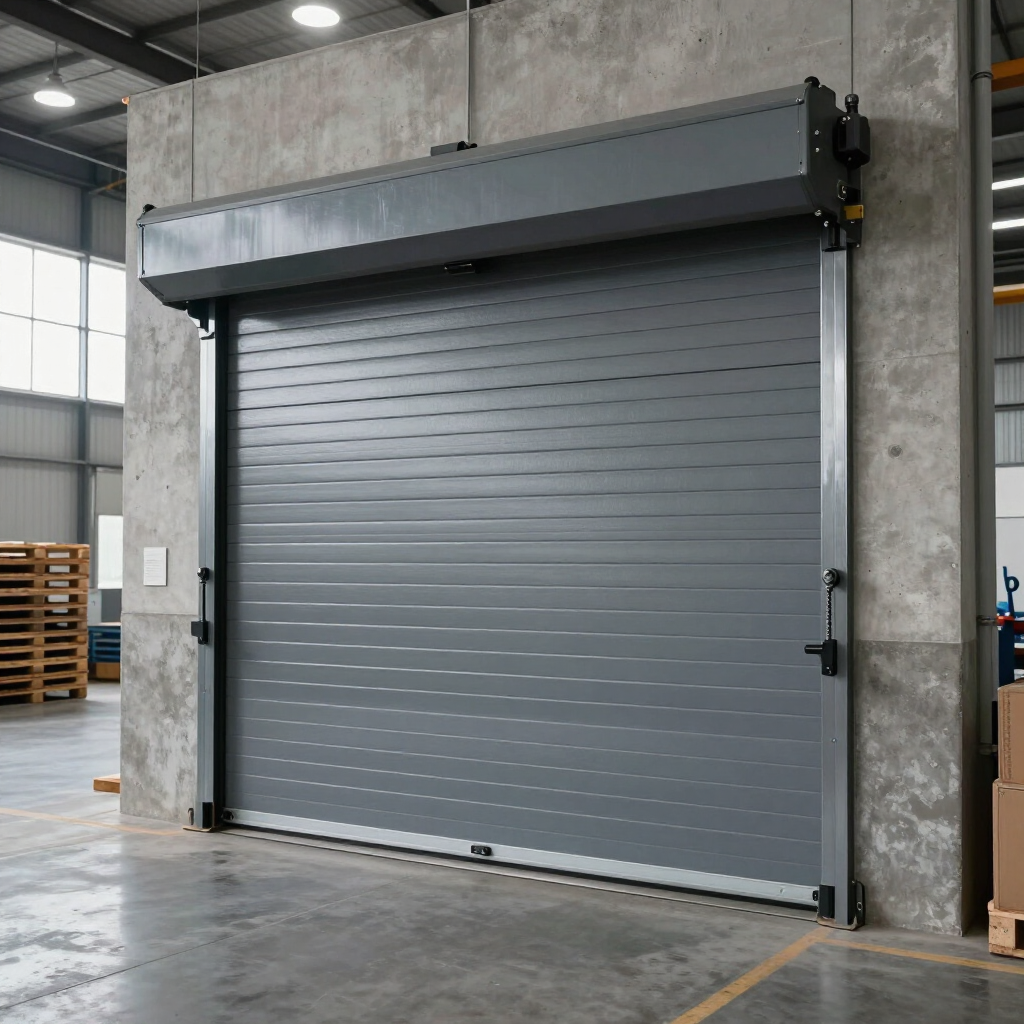
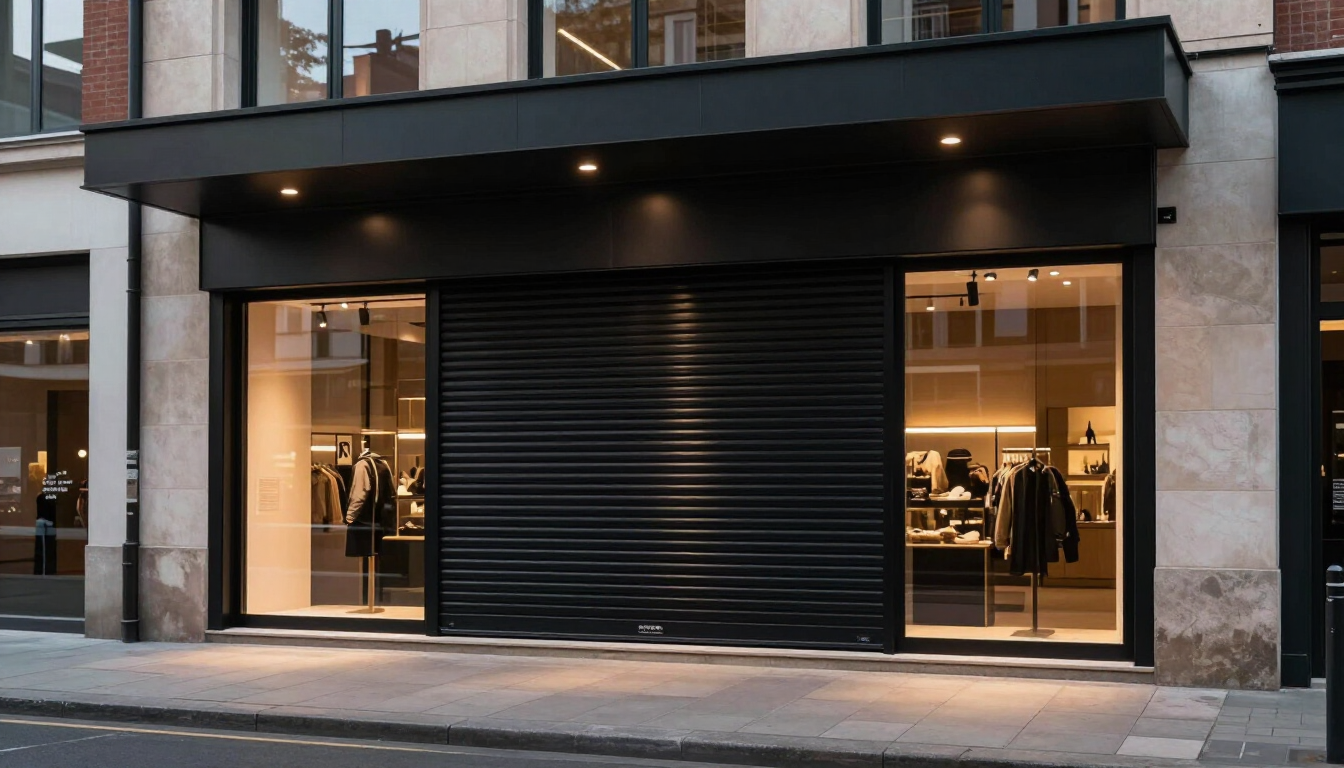
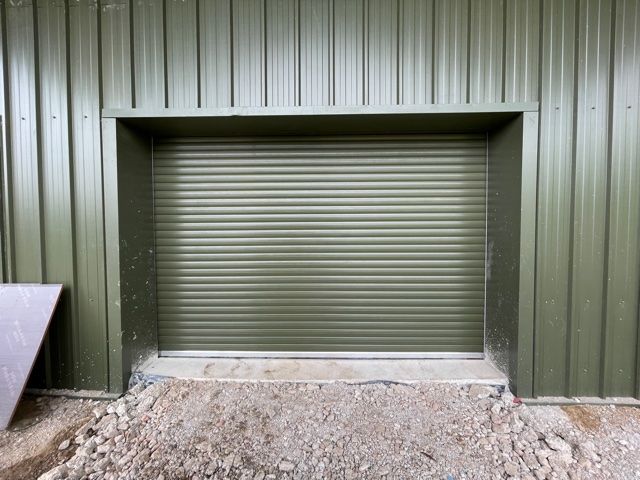
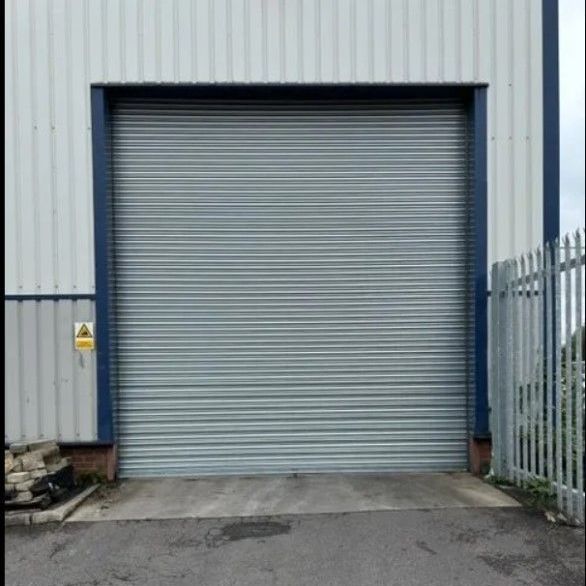
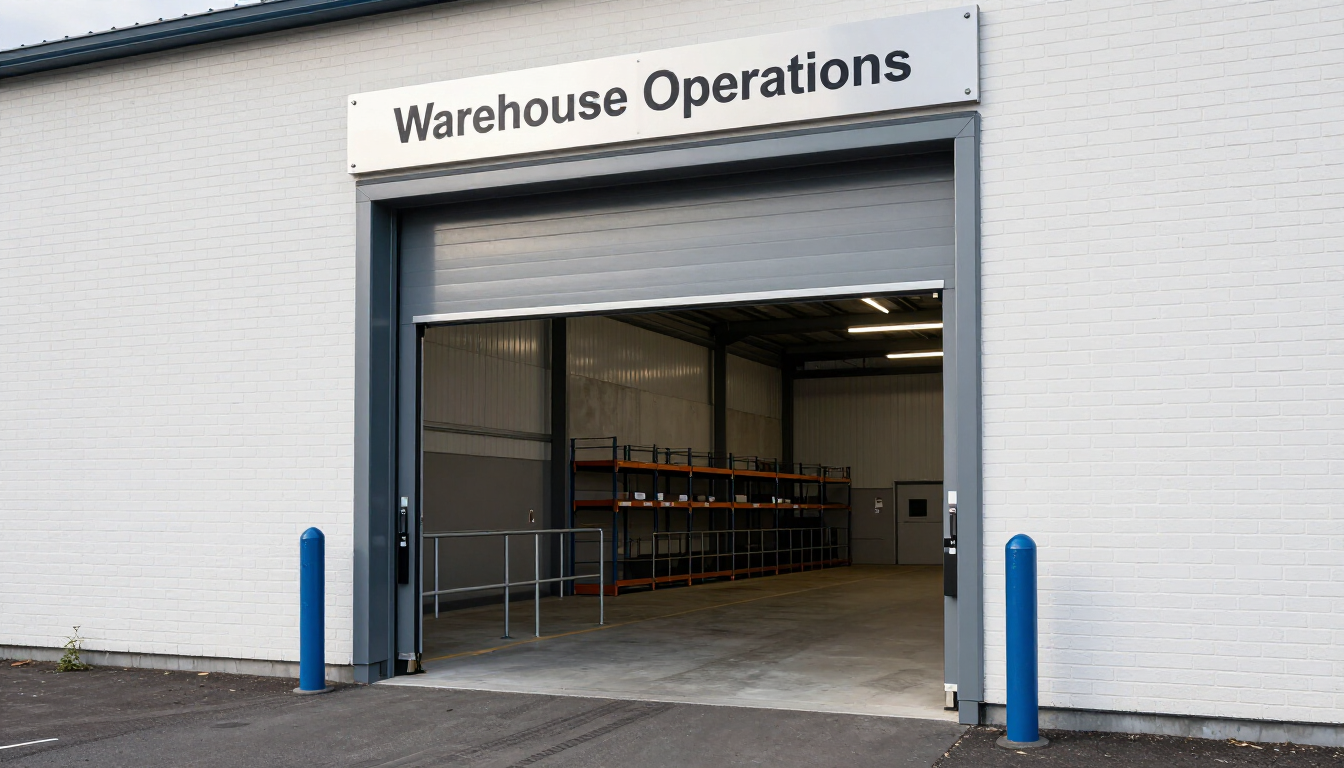
Roller shutter doors are among the most popular choices for commercial properties, offering excellent security, a compact design, and durable construction. Ideal for warehouses and retail units, these industrial roller shutter doors also feature low maintenance requirements and are a perfect solution where space above the opening is limited.
Sectional Overhead Doors
Sectional doors lift vertically before resting parallel with the ceiling, providing excellent insulation, quiet operation, and weather resistance. Often installed in logistics centres, workshops, and distribution facilities, these sectional overhead doors are popular for their large opening widths and attractive appearance.
High-Speed Doors
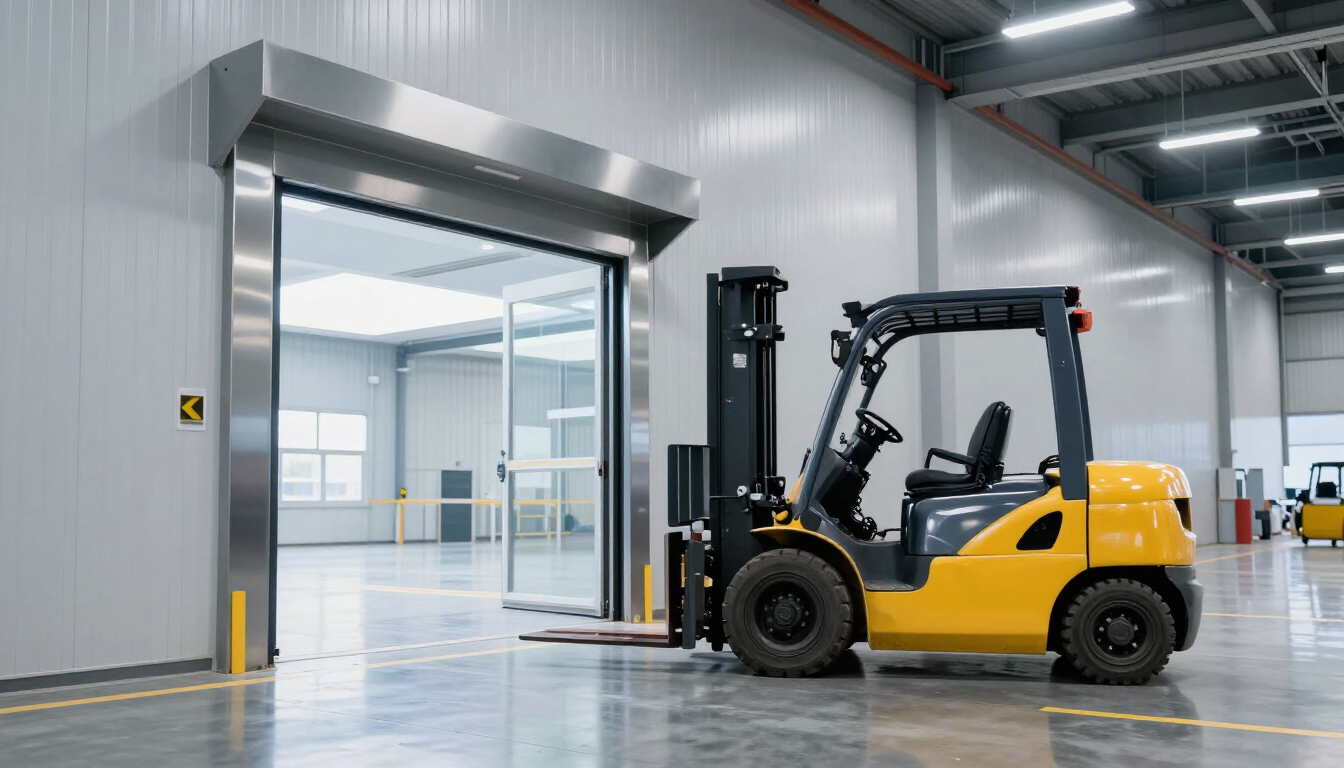
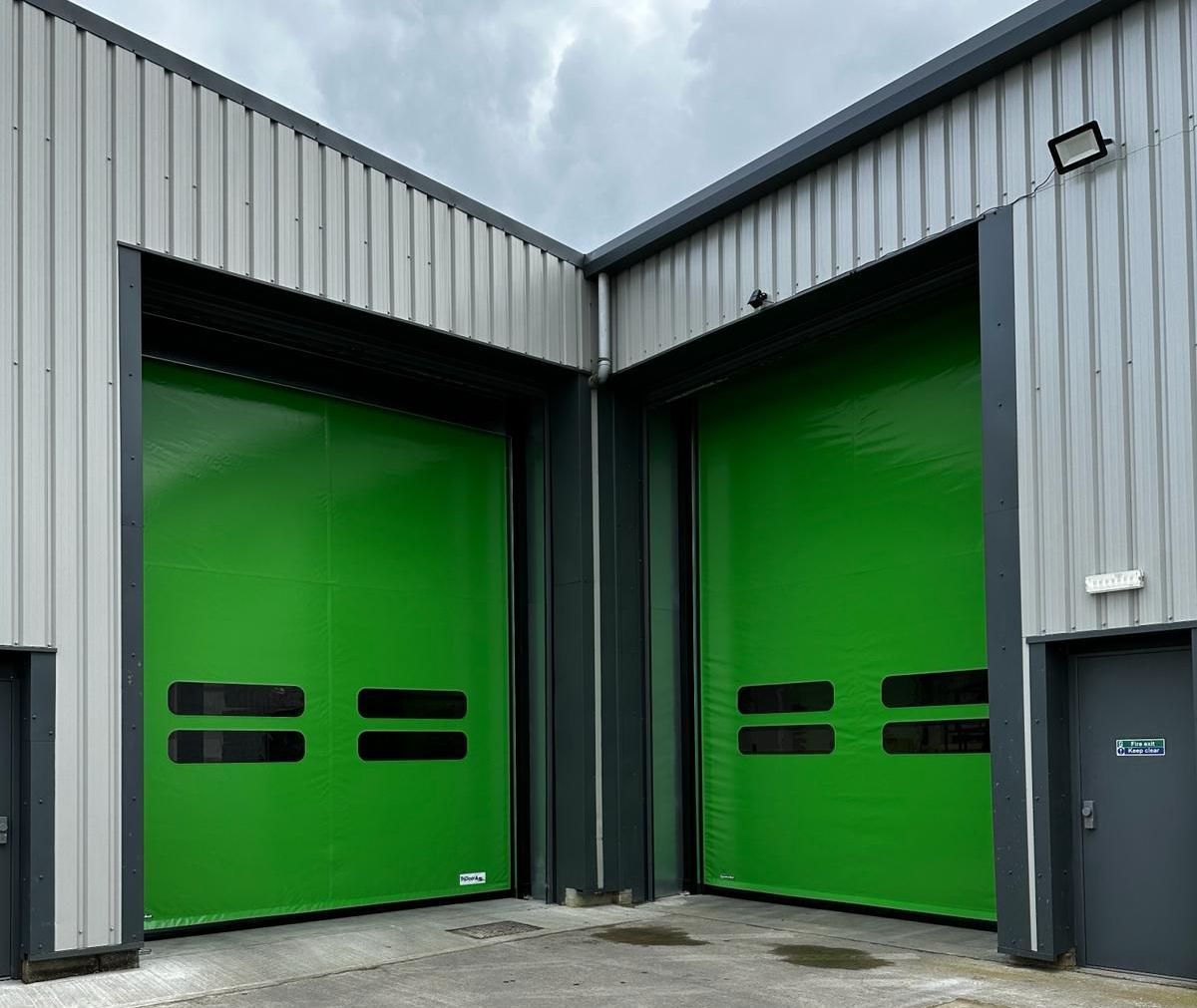
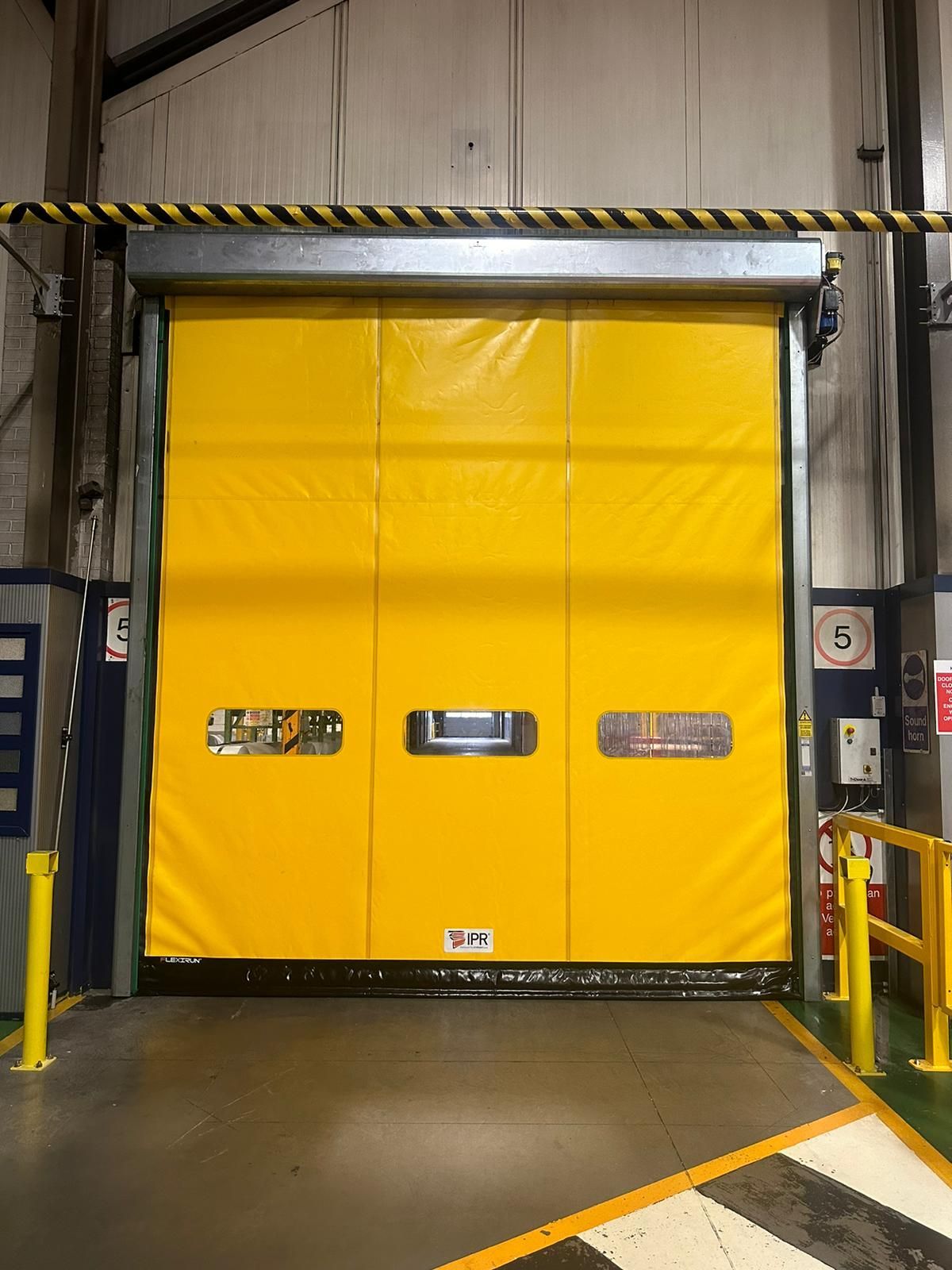
Rapid-rise or high-speed doors are designed for environments with constant traffic, such as food production, cold storage, pharmaceutical facilities, and manufacturing plants. Their fast opening and closing speeds improve productivity while reducing heat loss, making them a highly efficient choice for demanding industrial settings.
Steel Security Doors
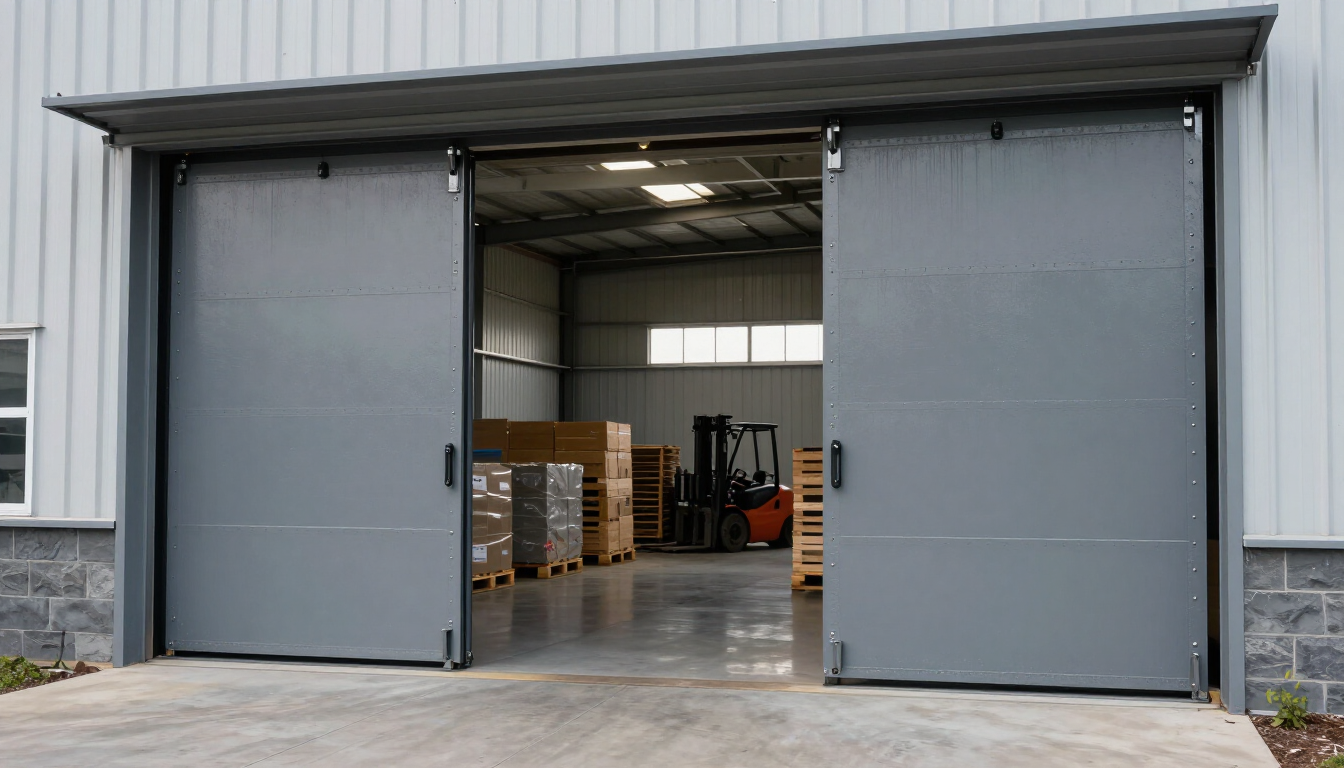
Where security is the primary concern, steel security doors provide exceptional protection and are commonly used for plant rooms, service entrances, storage facilities, and utility buildings. These doors offer high resistance against forced entry while requiring minimal maintenance.
Consider Energy Efficiency
Modern industrial buildings place increasing emphasis on energy efficiency, and choosing the right insulated roller garage doors can help reduce heating costs, improve temperature control, and minimise heat loss.
These solutions also enhance workplace comfort and lower carbon emissions, which is particularly beneficial for facilities with refrigerated storage or temperature-sensitive operations, ultimately reducing long-term operating costs.
Think About Security Requirements
Industrial doors are often the first line of defence against theft and vandalism, so when comparing options, you should consider locking systems, reinforced construction, access control integration, remote monitoring, automatic locking, and security ratings.
Businesses storing valuable stock or equipment should prioritise these security features alongside operational efficiency.
Safety Features Should Never Be Overlooked
Modern industrial doors include numerous built-in safety systems—such as safety photocells, pressure-sensitive safety edges, emergency stop controls, manual override systems, obstacle detection, and anti-drop mechanisms—designed to protect employees and visitors.
Choosing doors that comply with current UK safety standards helps protect both your workforce and your business.
Consider Long-Term Maintenance
While purchase price is important, maintenance costs should also influence your industrial door selection, as high-quality industrial doors generally require fewer repairs, have longer service intervals, offer greater reliability, and lead to lower lifetime ownership costs.
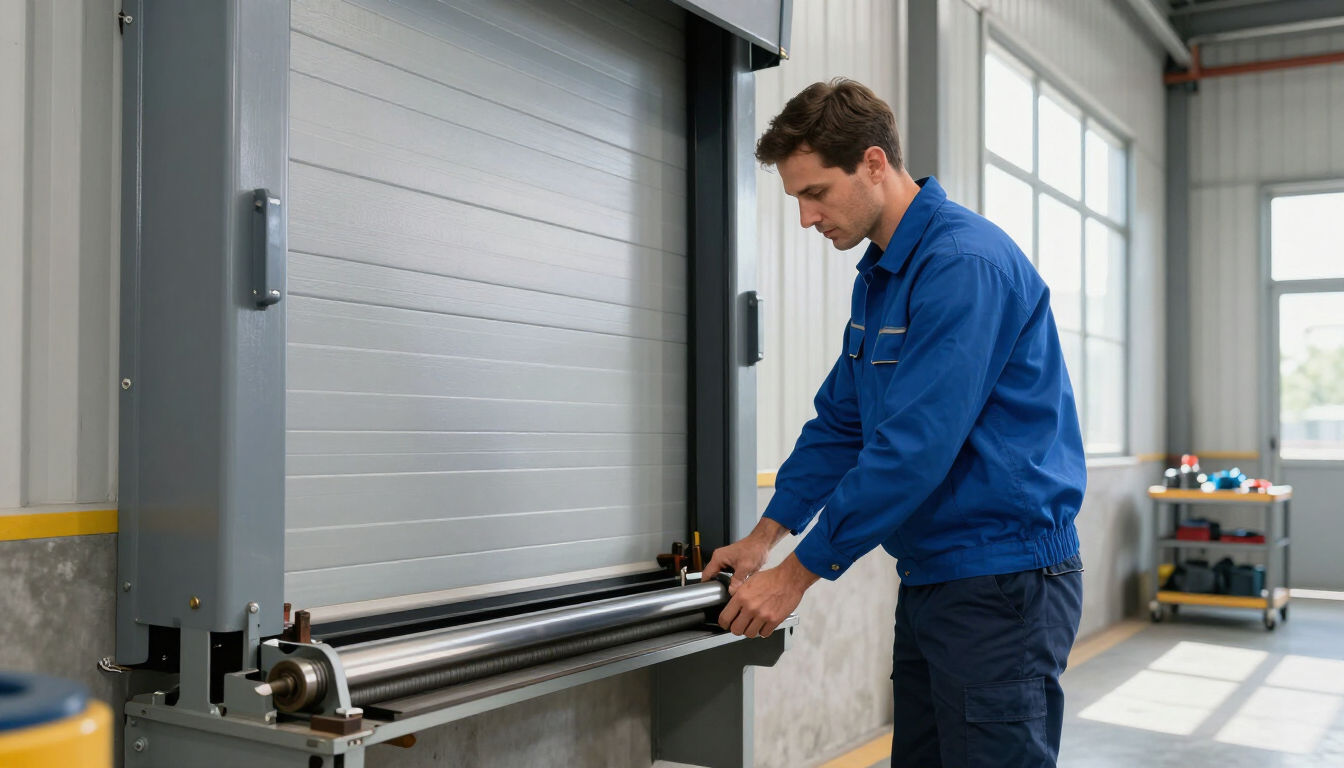
Choosing a reputable installer who also offers preventative maintenance ensures your investment continues performing efficiently, as routine servicing helps identify small issues before they develop into expensive breakdowns.
Automation Can Improve Efficiency
Many businesses now choose automated industrial door systems because they offer faster operation, reduced manual handling, improved security, better traffic management, enhanced health and safety, and increased productivity.
By incorporating features like remote controls, radar activation, motion sensors, keypad access, vehicle detection systems, and smart building integration, these automated doors are particularly valuable for high-traffic facilities.
Choosing the Right Installation Company
Even the highest-quality industrial door will only perform well if it is installed correctly, so look for a company that offers experienced engineers, professional site surveys, bespoke recommendations, ongoing maintenance plans, emergency repair services, manufacturer-approved products, and full compliance with UK regulations.
Working with specialists ensures your door operates safely, efficiently, and reliably from day one.
Common Mistakes to Avoid
Industrial door selection is often compromised when businesses prioritize immediate capital expenditure over long-term operational performance. This short-sighted approach frequently results in several common mistakes that can jeopardize a facility's efficiency and safety.
- Prioritizing the Lowest Initial Price: Choosing the cheapest available option often leads to higher lifetime ownership costs due to frequent repairs, increased energy loss, and a significantly shorter equipment lifespan.
- Ignoring Insulation and Energy Needs: Failing to account for thermal performance can result in substantial heat loss and increased utility bills, particularly in temperature-sensitive environments like cold storage.
- Underestimating Traffic Volume: Selecting a door not rated for the facility's actual frequency of use leads to premature mechanical failure and operational bottlenecks.
- Neglecting Maintenance Requirements: Overlooking the necessity of routine servicing can turn minor adjustments into expensive, emergency breakdowns that halt production.
- Overlooking Critical Safety and Speed Features: Installing doors without adequate safety edges or photocells increases the risk of workplace accidents, while selecting the wrong operating speed can compromise both productivity and climate control.
- Lack of Future Planning: Failing to consider potential expansion or changes in vehicle sizes may necessitate a costly replacement of the door system sooner than expected.
A well-planned investment that accounts for these variables ensures the chosen system delivers superior value, safety, and reliability throughout its entire operational life.
Conclusion
Making the right industrial door selection is an investment in your facility's safety, productivity, and long-term efficiency. By carefully considering your operational requirements, security needs, energy performance, and maintenance expectations, you can choose a solution that delivers reliable performance for years to come.
If you're planning a new installation or upgrading existing systems, Tridoor can help.
We provide guidance on sectional vs roller shutter doors and offer a range of professional services, including site surveys, installation, and repair, to ensure your business remains secure and efficient.