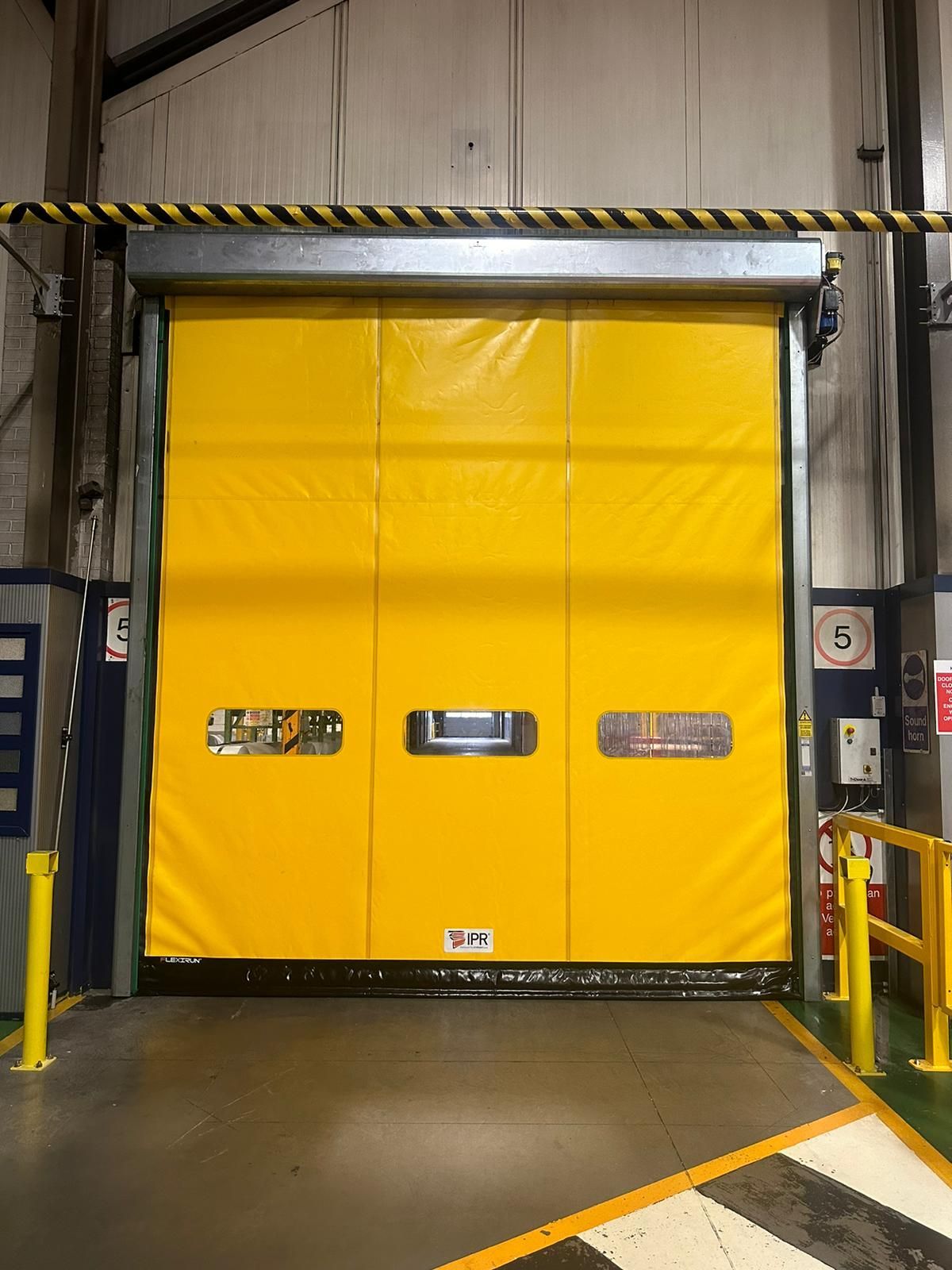

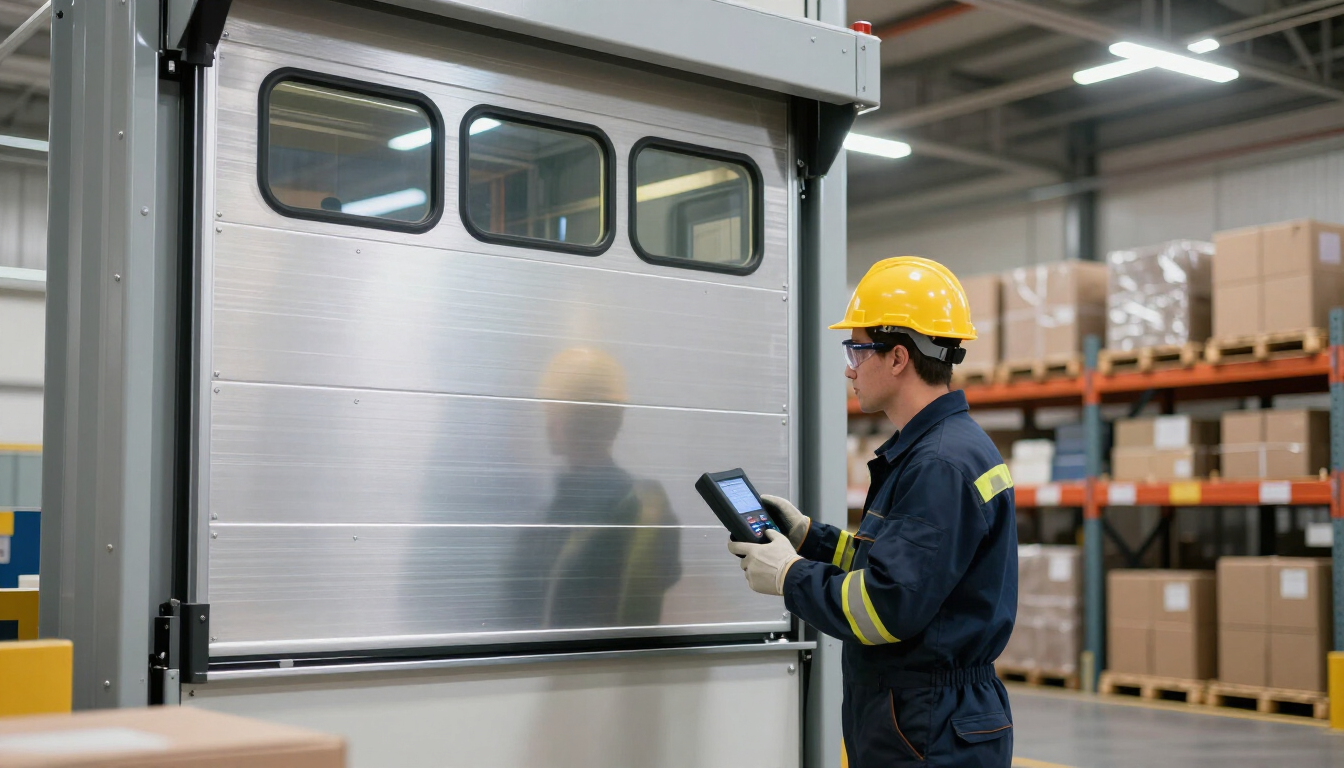
Industrial doors are among the hardest-working assets in warehouses, factories, distribution centres, and commercial facilities. Every day they open and close countless times, helping maintain security, regulate temperature, and keep operations running efficiently. However, like any mechanical system, they require regular servicing to continue performing reliably.
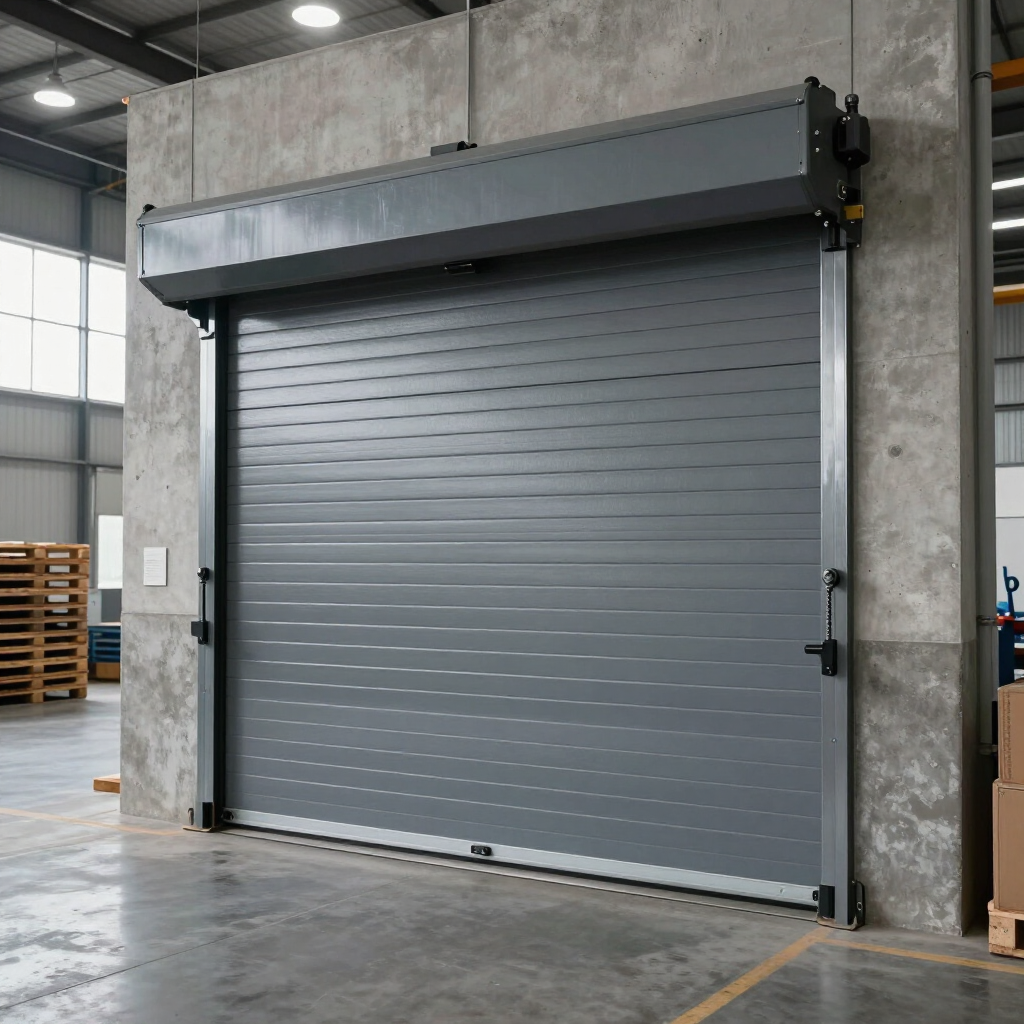
Industrial door maintenance is not simply about fixing problems after they occur. It is a proactive strategy that helps businesses avoid unexpected downtime, expensive emergency repairs, and safety risks. Whether your facility uses roller shutter doors, sectional overhead doors, rapid-rise doors, or loading bay equipment, scheduled maintenance protects your investment and keeps your operations moving.
In this guide, we'll explain why preventative maintenance matters, what a professional inspection includes, and how regular servicing can save your business significant money over time.
Why Industrial Door Maintenance Is Essential
Industrial doors experience continuous wear from daily use, weather exposure, vehicle impacts, and mechanical stress. Small issues that go unnoticed can quickly develop into major failures, which is why routine industrial door maintenance is a vital investment. By committing to regular servicing, businesses can significantly improve workplace safety, reduce the frequency of unexpected breakdowns, and extend the overall lifespan of their equipment.
Furthermore, this proactive approach ensures that manufacturer warranties remain valid, lowers long-term repair costs, and ultimately boosts operational efficiency by keeping access points functional.
Instead of reacting to failures, preventative maintenance allows businesses to identify problems before they interrupt operations.
Common Causes of Industrial Door Breakdowns
Industrial doors consist of numerous moving components that naturally wear over time, often leading to common mechanical failures. These issues frequently stem from worn rollers, damaged tracks, or loose fixings that compromise the door's stability.
More critical failures can involve broken springs, motor malfunctions, or frayed lifting cables, while electrical problems such as sensor faults and misaligned safety edges often disrupt automated systems. While many of these problems begin as minor defects, they can eventually prevent the door from operating altogether.
While many of these problems begin as minor defects, they can eventually prevent the door from operating altogether.
Regular inspections identify these issues early, allowing inexpensive repairs before major failures occur.
How Preventative Maintenance Saves Money
Many businesses delay servicing until something breaks. Unfortunately, emergency repairs almost always cost more than scheduled maintenance.
Preventative servicing helps reduce costs by:
Preventing Emergency Call-Outs
Emergency repairs often require immediate engineer attendance, replacement parts, and business disruption.
Routine servicing significantly reduces the likelihood of unexpected failures.
Extending Equipment Life
Replacing a complete industrial door system is far more expensive than maintaining the existing one.
Regular lubrication, adjustment, and inspection reduce wear on moving components and help doors operate efficiently for many years.
Reducing Downtime
A malfunctioning industrial door can stop deliveries, interrupt production, delay warehouse operations, or compromise security.
Routine maintenance keeps doors operating reliably, reducing costly interruptions.
Safety Should Always Be the Priority
Industrial doors are large, heavy mechanical systems. If components fail unexpectedly, they can pose serious safety risks to employees, contractors, and visitors.
Routine maintenance checks prioritize safety by ensuring that all sensors and emergency stop functions operate correctly. Engineers also verify that springs remain balanced and doors travel smoothly within their tracks.
By keeping closing forces within safe limits and confirming that automatic controls function properly, businesses can successfully meet their workplace health and safety responsibilities.
Maintaining safe equipment also helps businesses meet workplace health and safety responsibilities.
Signs Your Industrial Door Needs Immediate Attention
Even between scheduled inspections, it is important to recognize early warning signs that your door needs immediate attention.
Facility managers should watch for unusual grinding or squeaking noises, jerky movements, or a noticeable decrease in opening and closing speeds. More obvious physical indicators include doors sticking halfway, visible cable damage, or bent tracks.
Additionally, environmental factors like water leaks around the frame, as well as functional failures like difficulty locking or intermittent remote control issues, should never be ignored. Failing to address these symptoms often leads to more extensive and expensive repairs.
Ignoring these symptoms often leads to more extensive and expensive repairs.
What Is Included in Professional Industrial Door Maintenance?
A professional maintenance visit involves much more than simply lubricating moving parts; it begins with a comprehensive visual inspection.
During this phase, engineers meticulously examine the tracks, rollers, hinges, and springs for signs of fatigue. They also check the condition of door panels, motors, and fixings, while ensuring that all safety systems are fully operational.
This thorough process identifies early wear before failures have the chance to develop into major operational hazards.
Typical servicing includes:
Visual Inspection
This identifies early wear before failures develop.
Mechanical Adjustments
Mechanical adjustments are essential to ensure moving parts work in harmony for smooth operation. Professionals will tighten loose bolts, precisely align tracks, and balance springs to distribute weight correctly. They also adjust chain tension and lubricate bearings to minimize friction. This level of proper adjustment reduces the overall strain on the entire system, preventing premature component failure.
Proper adjustment reduces strain on the entire system.
Electrical Testing
Automatic doors require specialized testing of their electronic components to ensure continued reliability. Engineers verify the functionality of control panels, safety photocells, and emergency stops, while also checking pressure edges and motor operation. Testing limit switches is equally critical to ensure the door stops exactly where it should. Ultimately, reliable electronics are just as important as mechanical performance for safe facility access.
Reliable electronics are just as important as mechanical performance.
Operational Testing
Finally, the door is cycled multiple times to confirm it is operating safely before returning to service. This stage validates smooth movement, correct opening speeds, and safe stopping distances. Engineers also confirm that locking mechanisms are reliable and that all safety features activate as intended during use.
This final test ensures the door is operating safely before returning to service.
Which Businesses Benefit Most?
Almost every commercial property relies on industrial doors, making preventative maintenance universally valuable across various sectors.
It is particularly essential for high-traffic environments such as warehouses, distribution centers, and manufacturing plants. Food processing facilities, retail loading bays, and logistics companies also depend on these systems for daily efficiency.
Even vehicle workshops, agricultural buildings, and cold storage facilities benefit from scheduled care, as businesses with high door usage generally require more frequent servicing to stay operational.
Businesses with high door usage generally benefit from more frequent servicing.
How Often Should Industrial Doors Be Serviced?
The ideal maintenance schedule depends on several factors, including daily usage, the specific door type, and the operating environment.
Professionals also consider manufacturer recommendations and legal requirements when suggesting a plan. Consequently, high-traffic facilities may require servicing every six months or quarterly, while lower-use premises often benefit from annual inspections to remain compliant.
Lower-use premises often benefit from annual inspections.
A professional maintenance provider can recommend an appropriate schedule based on operational demands.
Choosing the Right Industrial Door Maintenance Provider
Not all maintenance providers offer the same level of expertise, so it is important to look for a company with qualified engineers and robust emergency repair support.
A top-tier provider should offer comprehensive industrial door maintenance plans that cover multiple door types, including roller shutter doors and sectional overhead doors.
Ensure they provide detailed maintenance reports and use genuine replacement parts during their safety inspections. Working with experienced specialists ensures your bespoke industrial doors systems remain reliable and compliant.
Working with experienced specialists ensures your equipment remains reliable and compliant.
Conclusion
In conclusion, regular industrial door maintenance is one of the smartest investments a business can make. Scheduled inspections improve safety, reduce emergency repair costs, extend equipment lifespan, and help keep daily operations running smoothly.
Tridoor provides the professional oversight needed to address small issues before they become major disruptions, ensuring your facility remains secure and efficient.
If you're looking for reliable industrial door maintenance, inspections, or emergency repairs across the UK, contact Tri Door today. Our experienced engineers provide tailored maintenance programmes designed to minimise downtime, maximise safety, and keep your industrial doors operating at peak performance all year round.