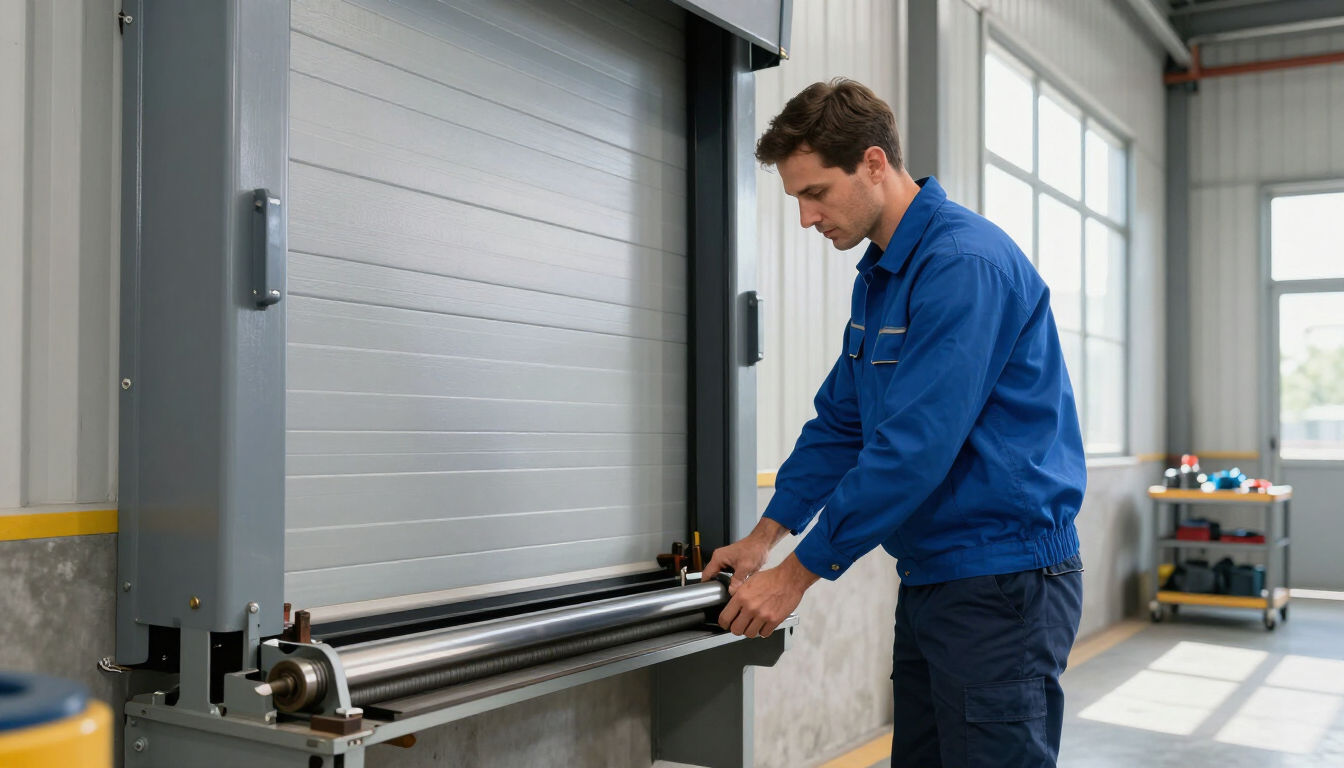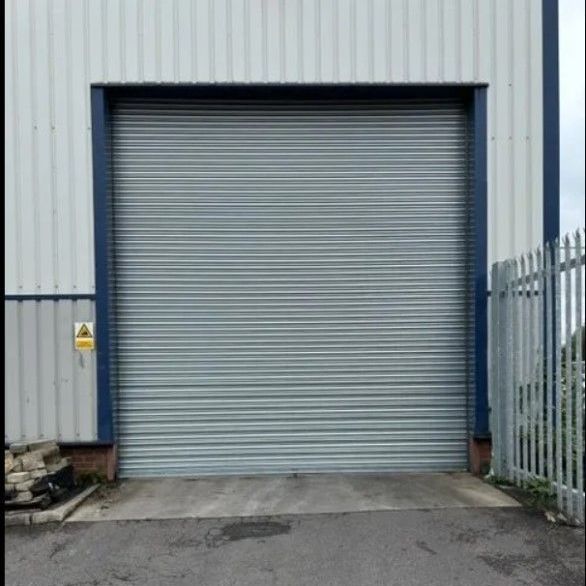

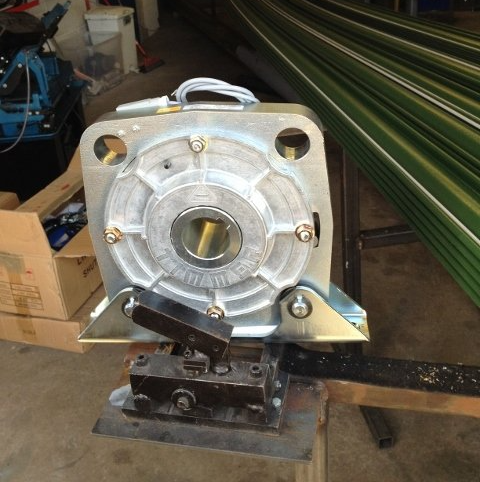
Shutter Safety brakes, anti fall back devices for vertically acting door fall back protection
STANDARDS:
- Construction Products Regulation (CPR) (EU) 305/2011
- EN 13241: 2003+A2:2016, Industrial, commercial and garage doors and gates, Product Standard, Performance Characteristics.
EN12604:
- Supporting structures, fixings, suspension elements and door leaves should be designed to withstand 2 x the total foreseeable load without permanent deformity.
- Supporting structures, fixings, suspension elements, fixings, door leaves and travel stops should be designed to withstand 3.5 x their total foreseeable load without ultimate structural failure
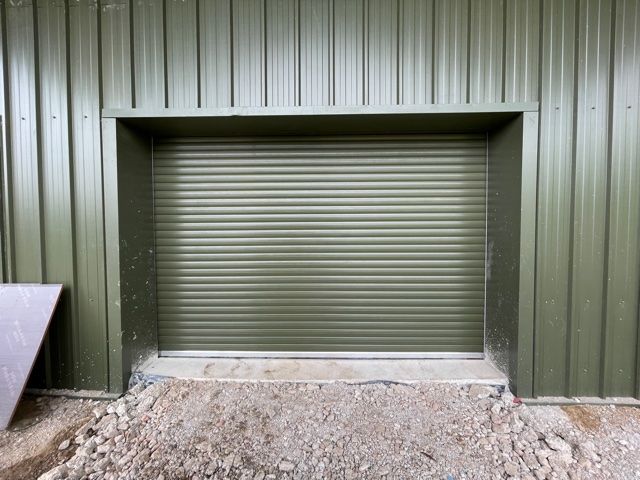
- Rolling shutter curtain attachments should be secured against normal loads, shock loads i.e. safety brake engagements. EN 12604 suggests at least 50% of barrel is covered at fully closed position.
Vertically acting door static balance
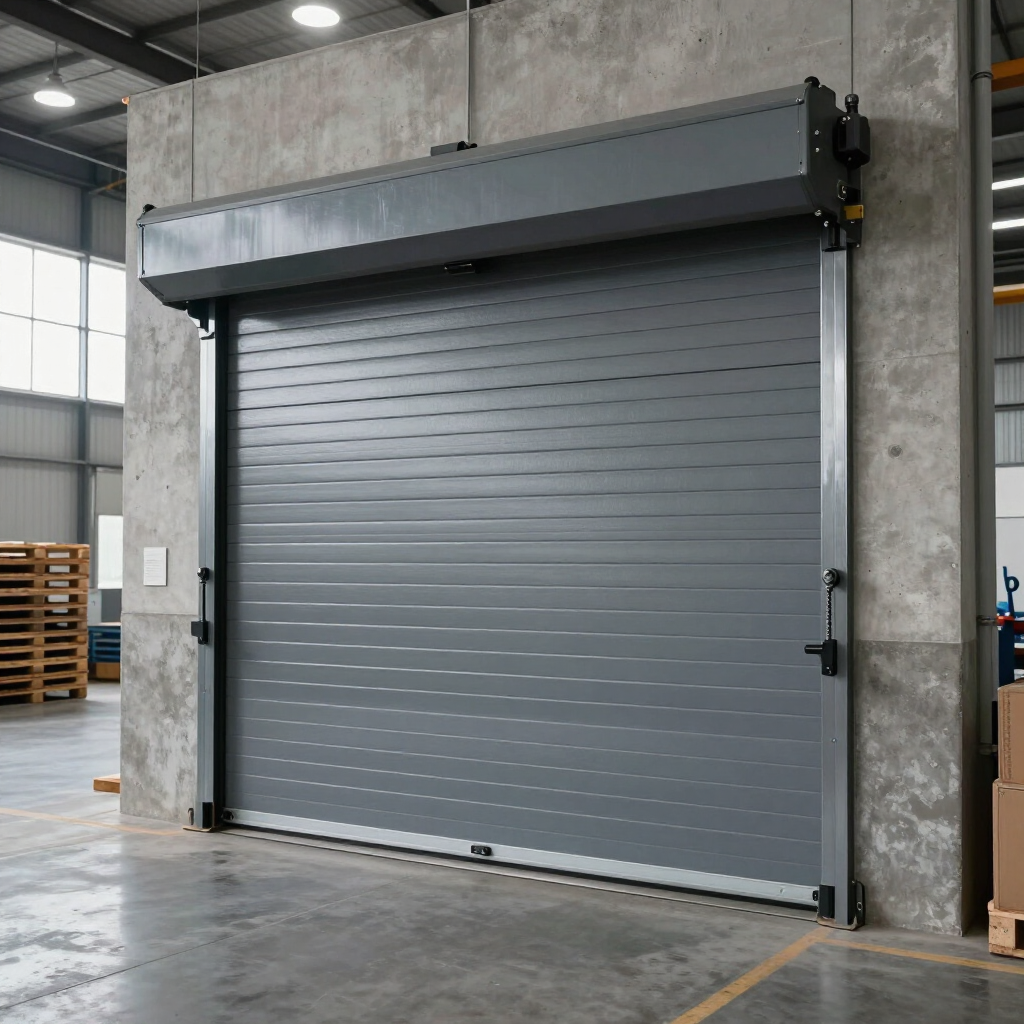
Vertically moving door leaves should achieve static balance such that:
- they remain static in the fully open and fully closed position
- Any slight out of balance movement when the door is stopped in any other position should not exert a static weight of more than 15kg
Vertically acting door fall-back protection
Vertically moving doors should be protected against failure of vulnerable balancing system components.
Some structures within the suspension system can be considered to be resistant to failure provided they achieve the design strength of EN 12604
Other more vulnerable elements such as springs, cables, drive chains, gears, functional brakes (used to stop doors in normal use), should be provided with a back up system.
The protection should be effective that in the event of failure of any one single vulnerable balancing component
- The door leaf must not exert a static weight of more than 20kg
- The door leaf must not travl more than 300mm within 2500mm of the ground or any other permanently available access level.
Shutter Safety Brakes
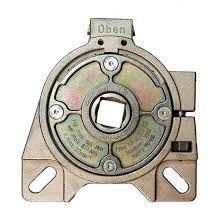
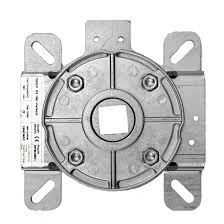
Construction Products Regulation (Legal Requirement)
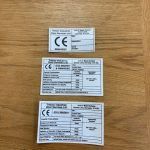
Since July 2013, the Construction Products Regulation has required that before new doors are placed on the market for the first time they must be type tested for fall-back protection and bear a CE label that explains that it has passed testing for Safe Opening (Fall back protection).
Where the door is correctly CE marked and it can be confirmed that the door has not been modified since manufacture, it is normally safe to assume that fall back protection is adequate unless there are obvious defects.